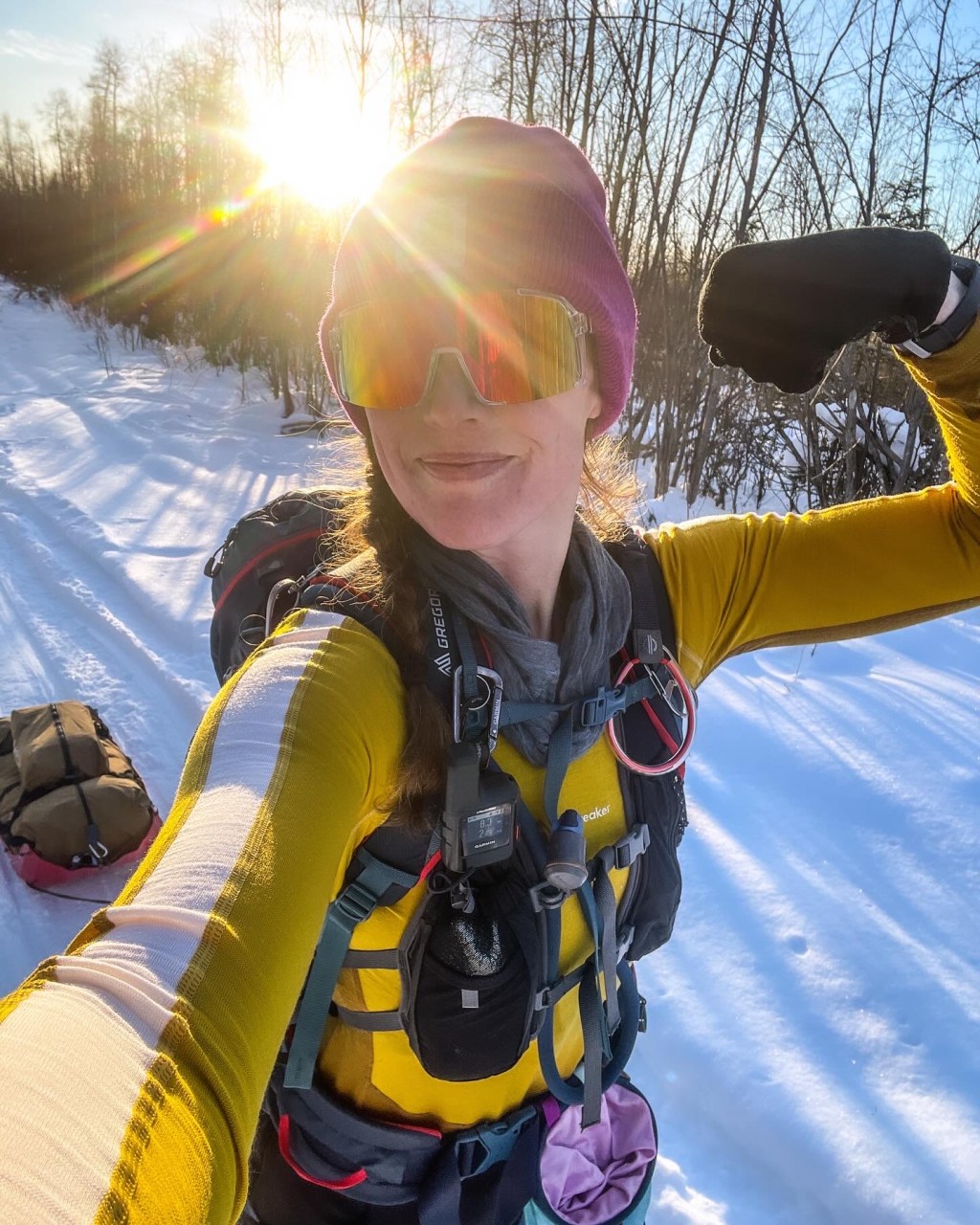
“It’s the most Laura of Laura things you’ve ever done.”
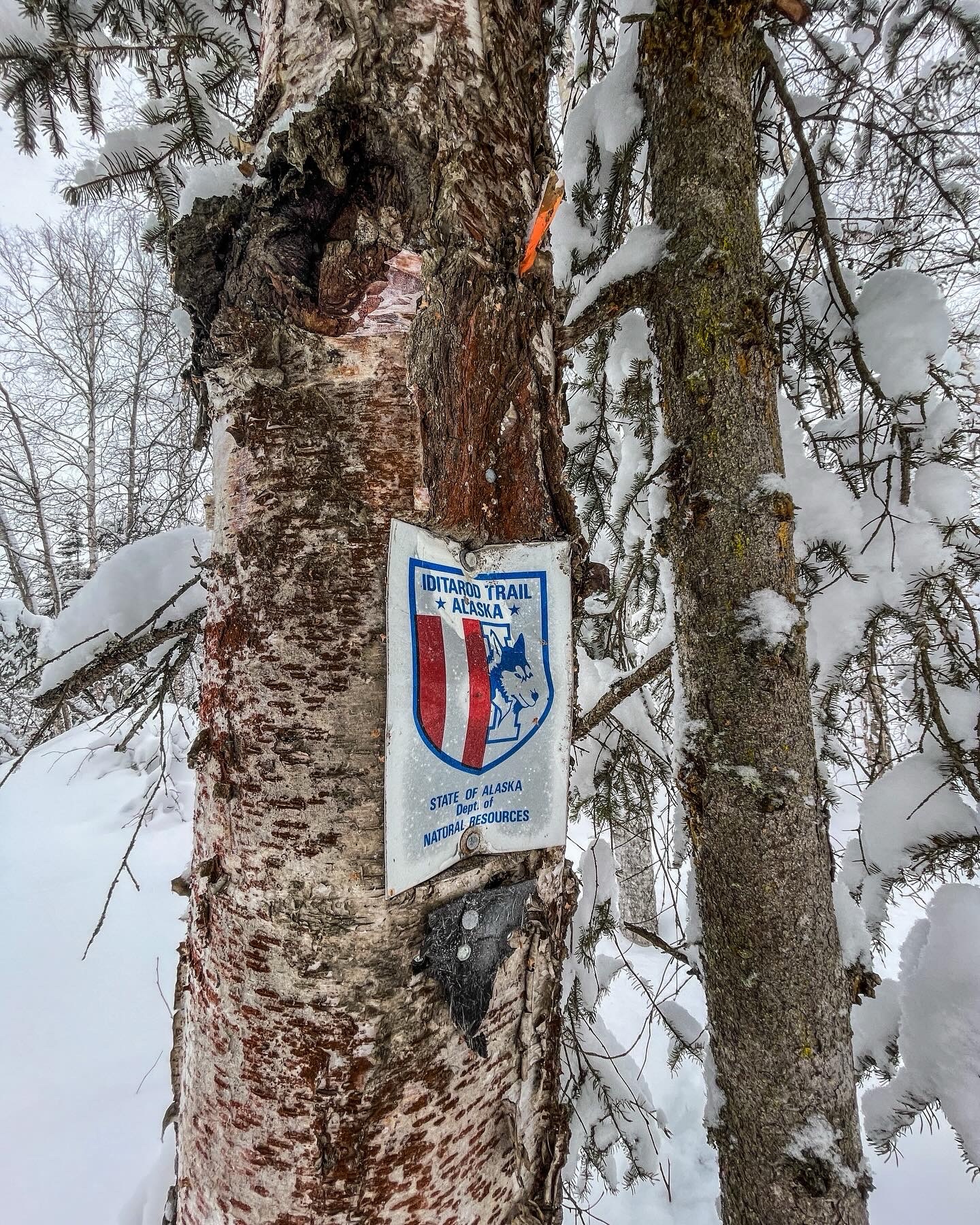
“The Iditarod Trail Invitational is the World’s longest running winter ultra-marathon. One of the most challenging experiences on the planet, participants brave extreme physical, environmental, and mental challenges as they travel along the historic Iditarod trail on Bicycle, foot, or skis.”
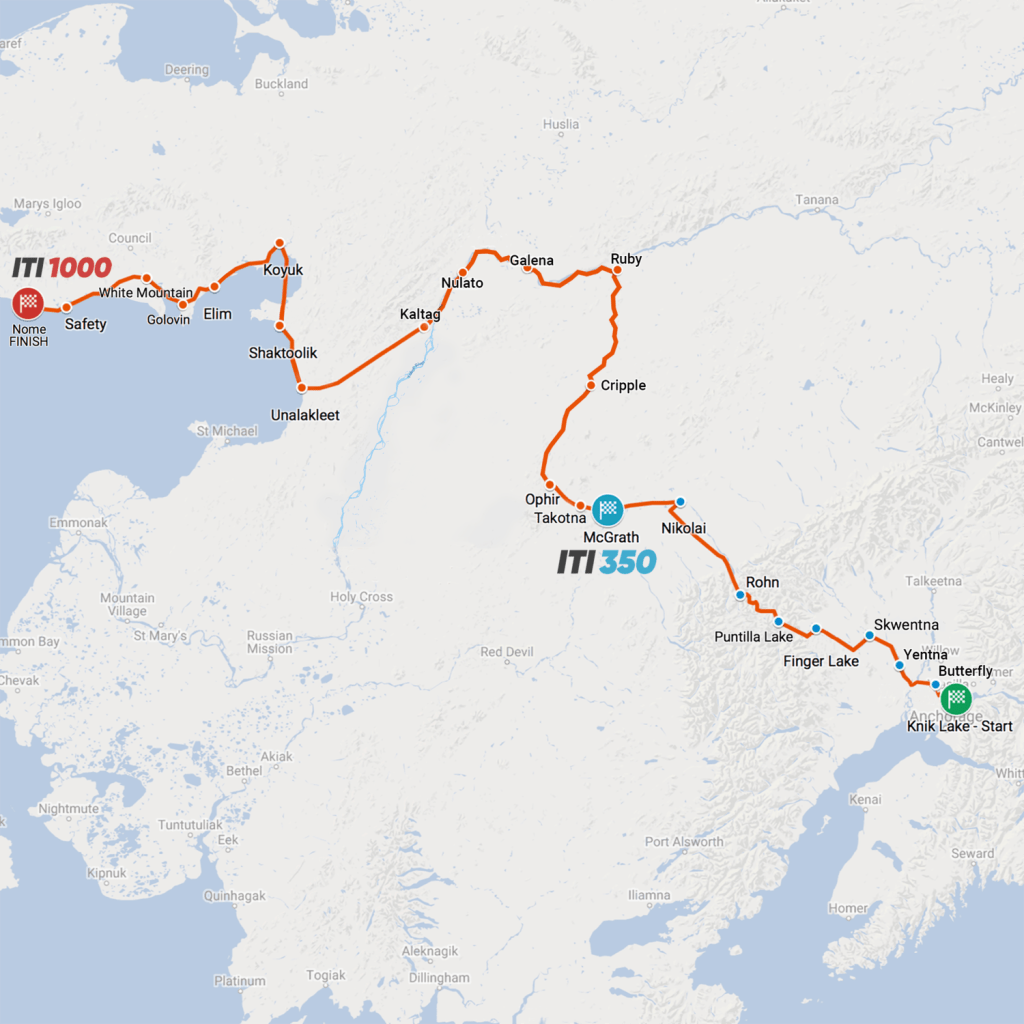
As an invitational, athletes must complete other qualifying races or training camps, apply to participate, and be accepted. There is the full distance, the 1,049-mile race, and a shorter 350mile race with a finish line in McGrath. Racers must successfully complete the 350-mile race to even apply for participation in the full race. Somewhat maniacally, applications for the following year’s race open mere days after that years’ race completes, and applications are only open for 8 days.
Local Alaskans who are aware of the race (and there aren’t all that many) call participants the “Idita-idiots”. Because they’re idiots to attempt the trail under their own power. After my own rookie race, I can’t say I disagree. It’s kinda nuts. We’re kinda nuts. Let’s get into it!
The Backstory
How did I learn about the ITI? An awesome author and musher I followed on social media, Blair Braverman, shared a spooky story from her 2019 Iditarod dogsled race run. In short, she thought she saw an alien or ghost on the trail. This “ghost” turned out to be an ITI foot athlete in head-to-toe spandex. The story was fun and diverting, just a funny aside about something off my radar. I wasn’t a runner, after all, and not really an endurance athlete at all. I’d never competed in more than a 5k or two shortly after grad school, and I only did that for the group beer tent at the finish line (I still have the ugly free shirts to prove it!).
Life moves how it moves, and over the subsequent years, a series of personal events and entanglements got me more deeply involved in dog mushing fandom (or ‘couch-mushing’, as it’s known to those who follow the races without participating in the sport). As I learned more about the Iditarod trail, its history, its famous features and hair-raising difficulty, some seed was planted. It seemed sad I’d never get to see these remote, cold, wild places–the stuff of Jack London’s daydreams.
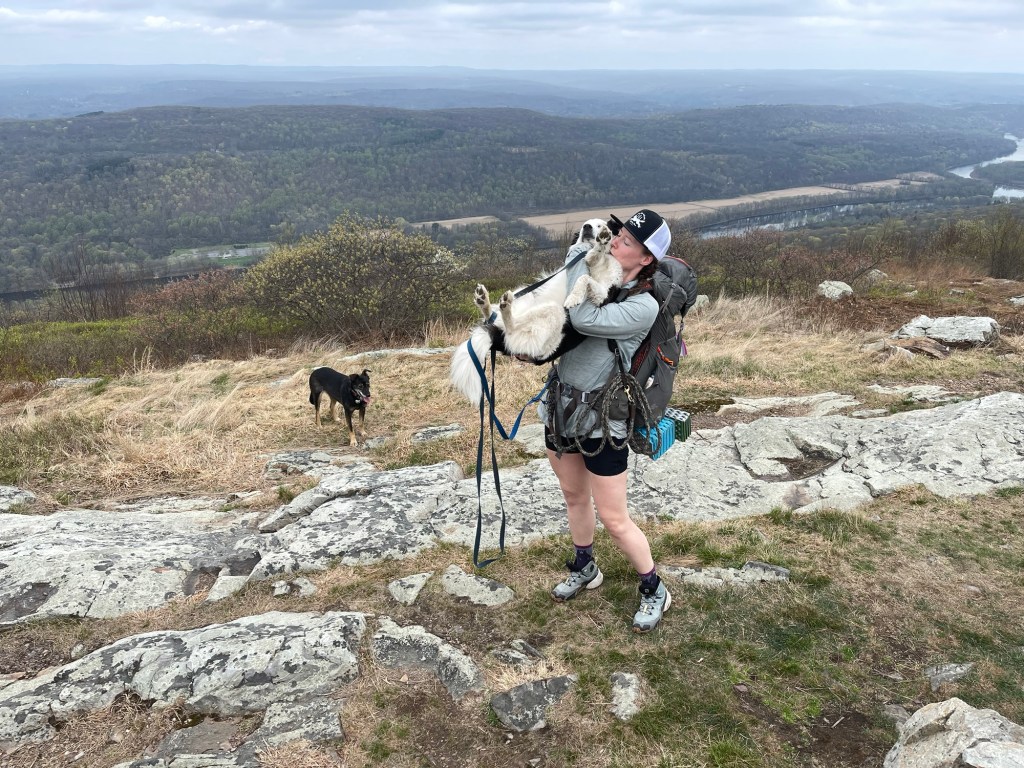
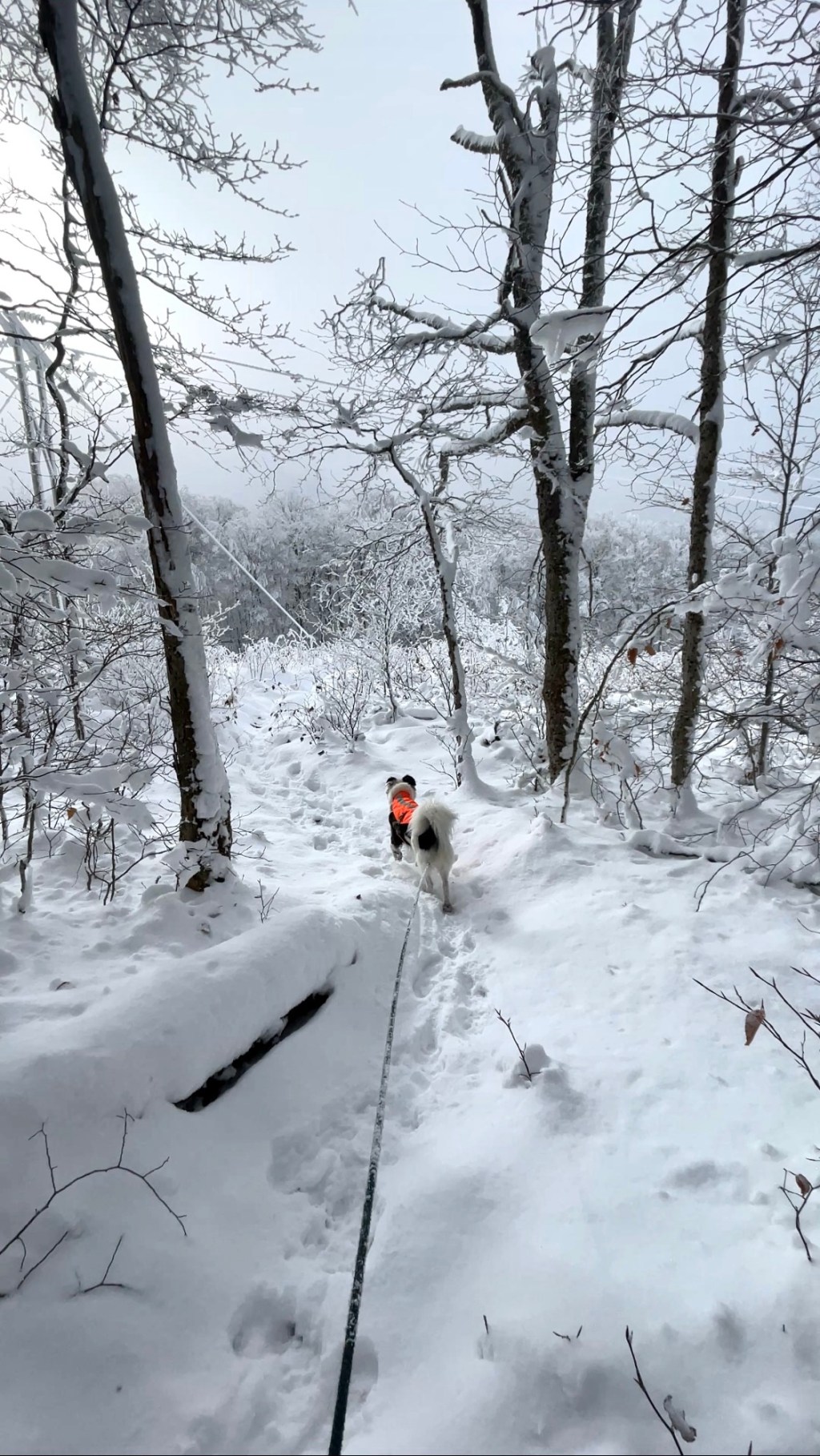
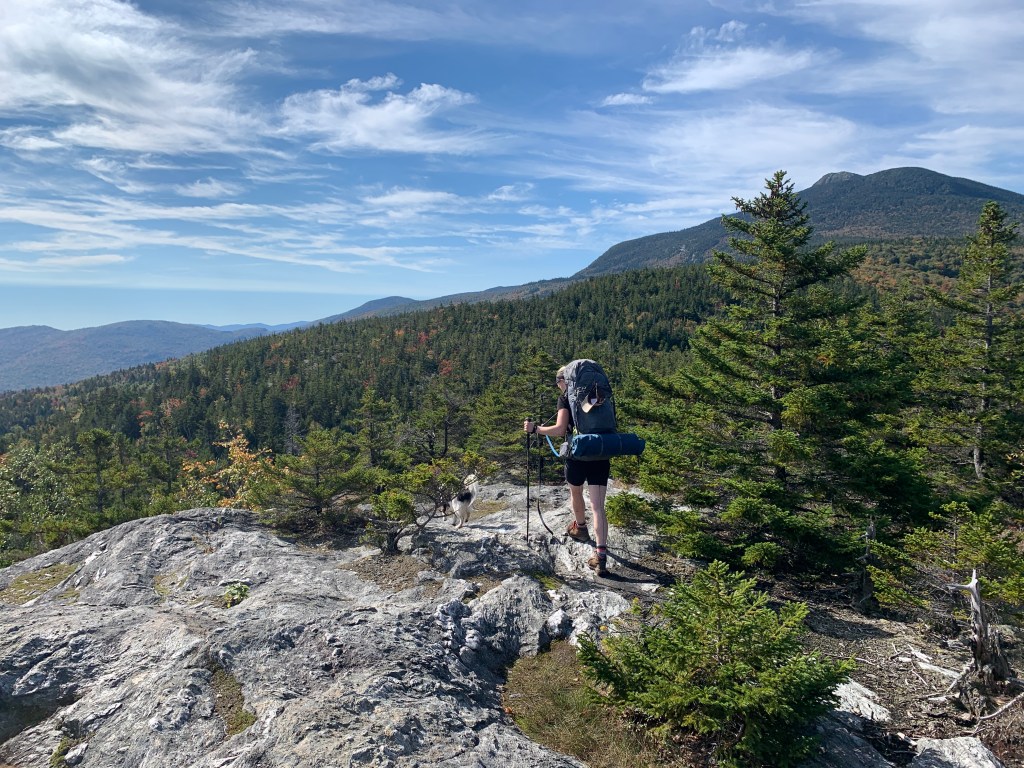
And I like remote places. After a thru-hike of Vermont’s 273mile Long Trail back in 2021, I set out to slowly chip away at the full Appalachian Trail (AT), mostly in overnights and long weekend solo trips with my two dogs Wylie and Wolfy, or Wy&Wo. Our three-member pack has tackled seven states over the past 3 years, including the most remote and challenging portions of the trail in Northern New England, through the White Mountains and Maine. And yes, all of Maine qualifies as hard—for reference, see myriad other stories for the multiple innovative ideas the backwoods of Maine has tried for my imminent demise. Any weekend it’s not over 70 degrees, you can find me driving hours before daylight to get to a random and remote trailhead to connect my line across the great woods of the East Coast. We’ve (ok…I’ve) been known to drive up to 12 hours for a day hike. I’ve traversed the Presidentials in conditions where Washington claimed its 170th victim. I’ve slept in the shoulder of a 4Ker in below zero temps and 9” of fresh snow. I’ve carried a whole watermelon up a summit in Maine’s Hundred Mile Wilderness (sorry, that’s another story). I’ve been known to knock off sections on 9 sequential weekends, without taking a single day of PTO. Weekend warriors work for it on the AT!
ITI Camp Race Qualification
As I got more intense and committed in my quest to ‘connect my line’ (I hike out of order and jump around based on weather and conditions) and accepted both my and my dogs’ acute heat intolerance, my season extended longer into the fall and began earlier in the spring. As the sole member of the WyWo club with opposable thumbs and rational thought, I figured I’d better bolster my skills with winter camping with some professional help so that I wouldn’t get us in trouble in the backcountry. I became aware that the ITI Organization offers an official training camp. Right on the ITI course, this training camp was an opportunity to learn all the skills needed to compete in the winter ultra race and keep yourself safe in extreme cold of Alaska. Exactly what I needed! Plus, get to learn a bit about the race and experience a bit of what the Iditarod trail would be like? Perfect. Sign me up. My own little slice of Iditarod, then home safe to the east coast. Famous last words.
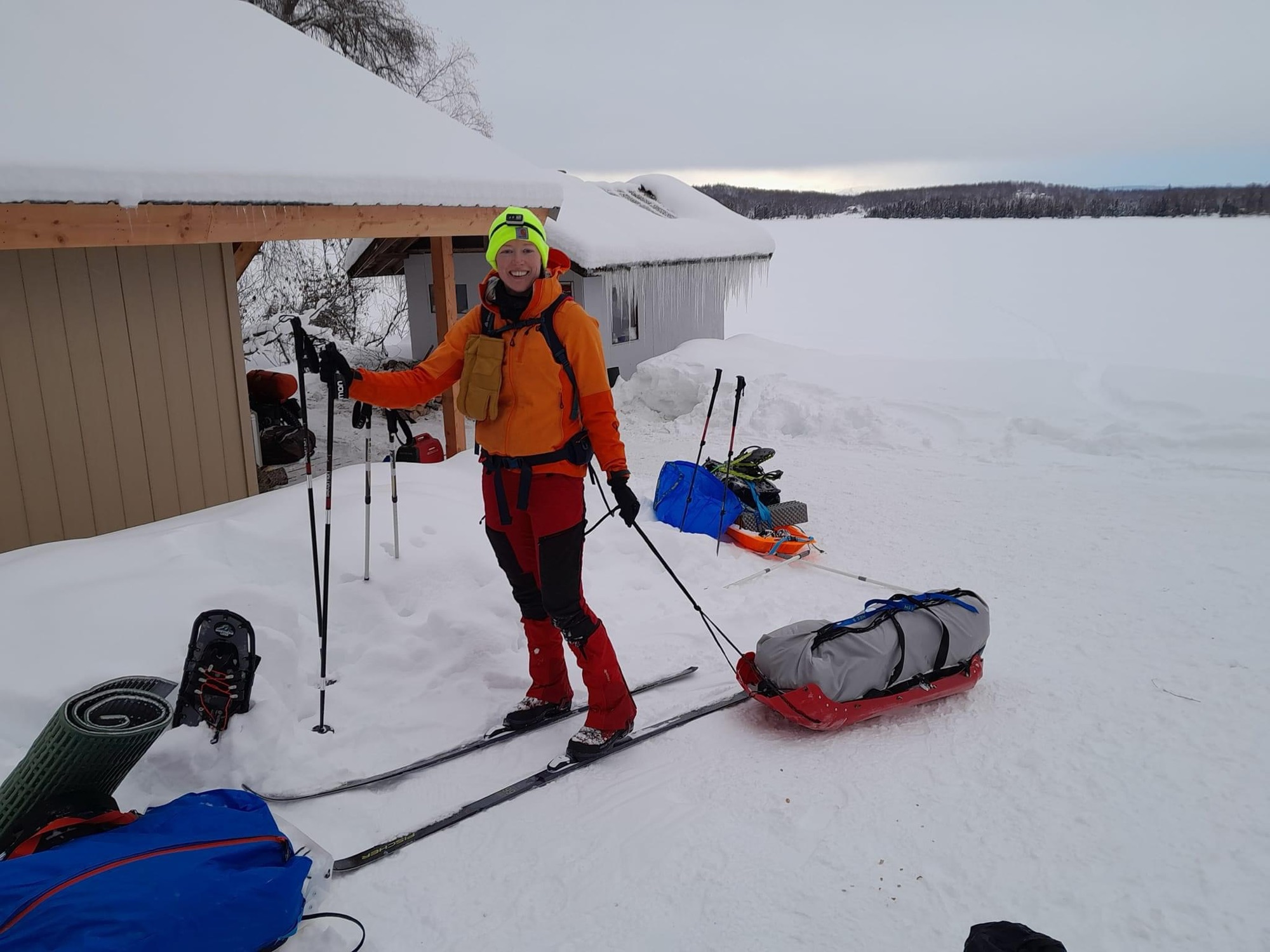
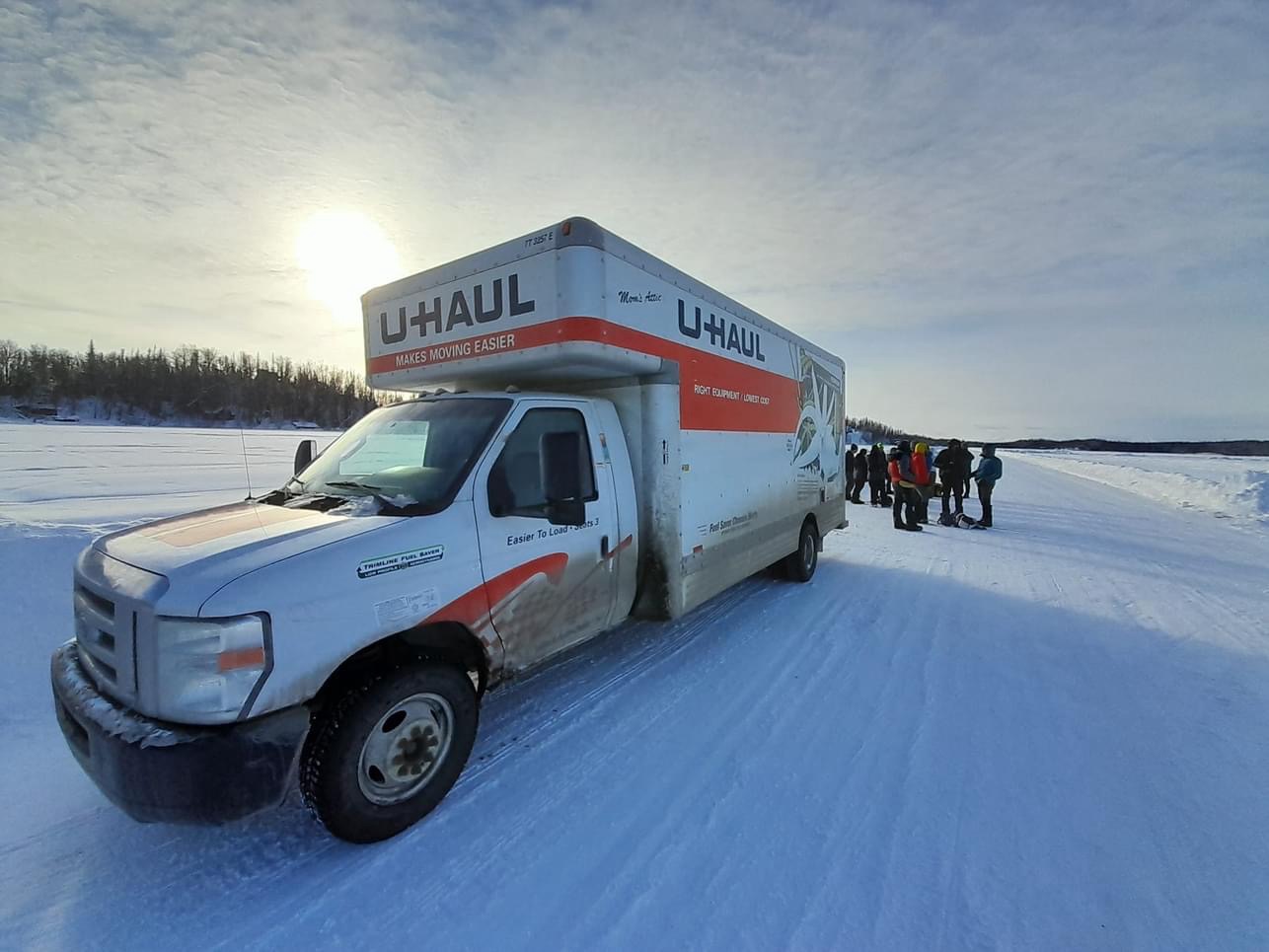
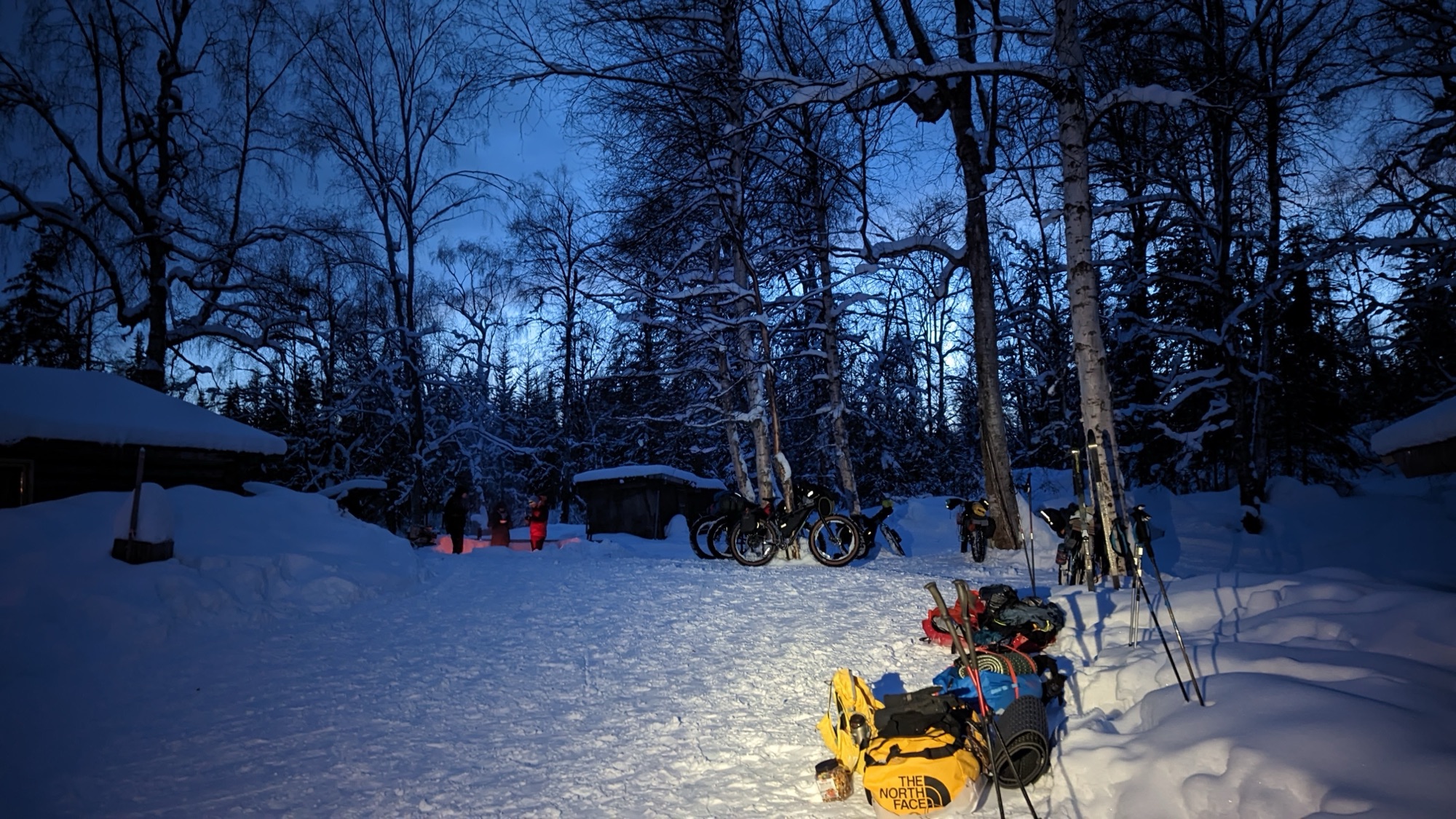
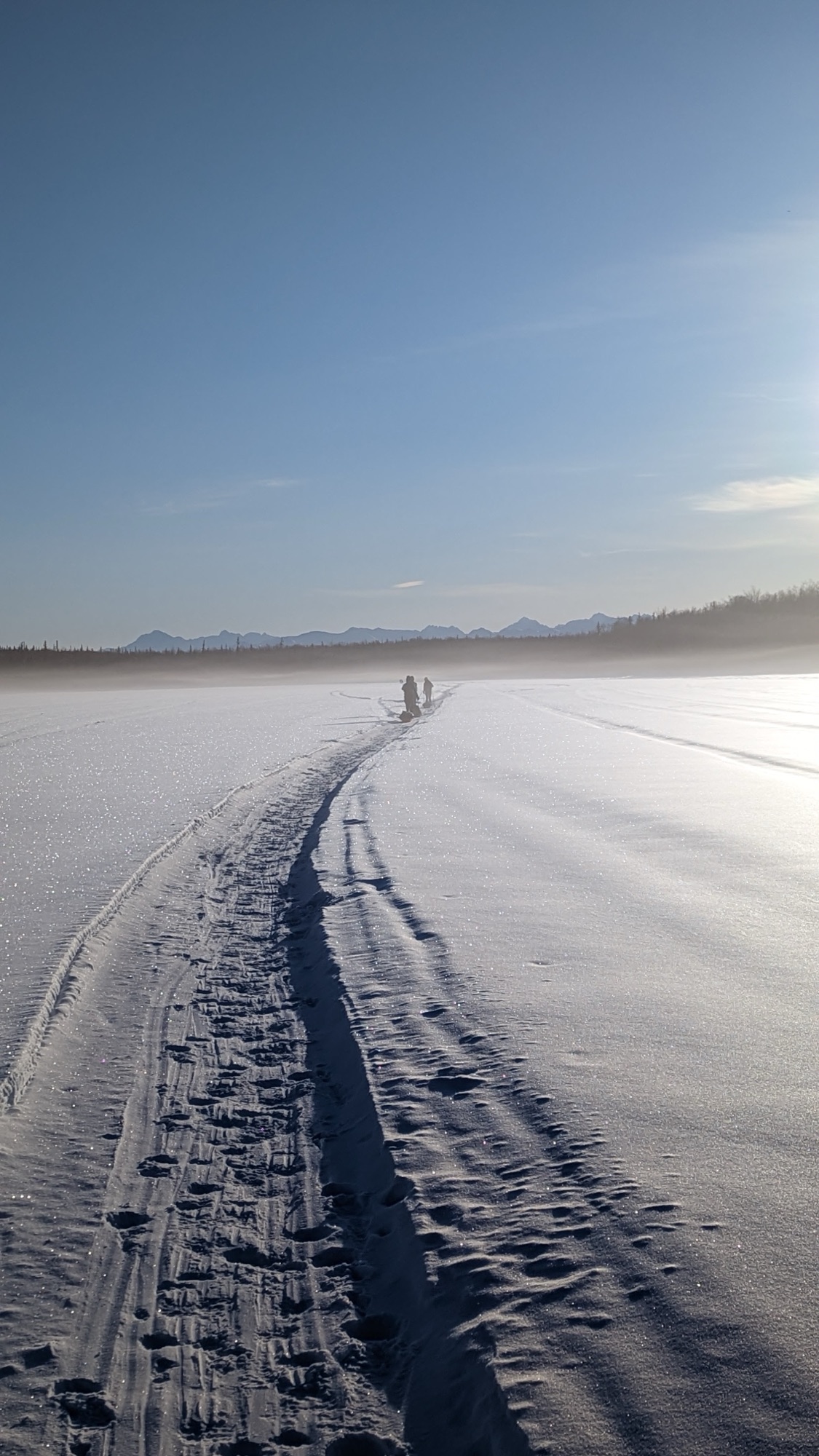
So I went to Camp! How it worked: Camp was 5 days and 4 nights, based on the ITI property on Butterfly Lake near Willow, AK. The base camp is 10 miles off of the road system, on trails that are only accessible in winter as they traverse over lakes, swamps, and marshland. We got picked up in Anchorage, loaded a u-haul with bikes and sleds and gear, rode a school bus 1.5 hours north to Big Lake…and jumped immediately into a 10 mile trek together.
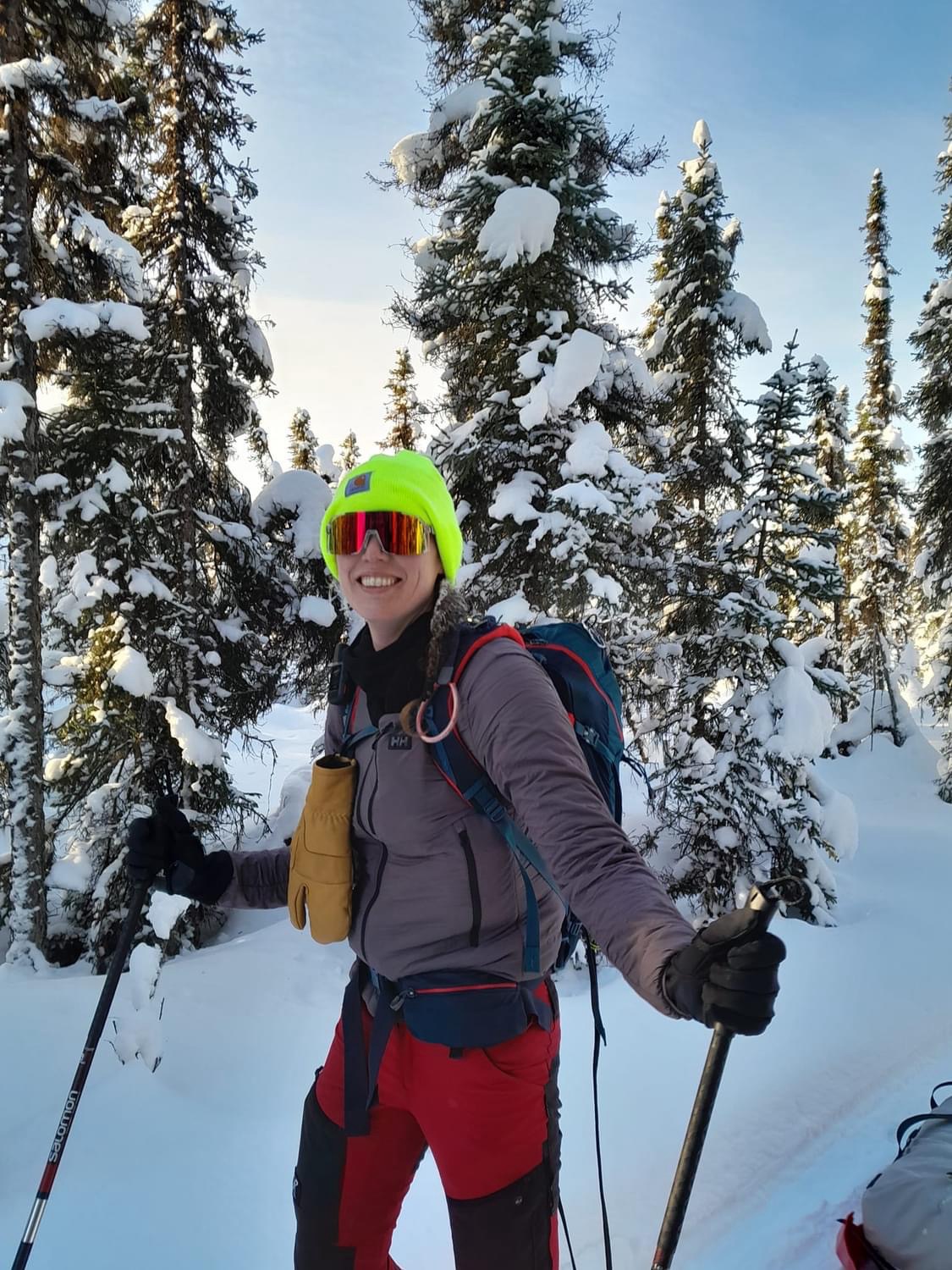
There were 11 bike athletes that completed the camp, three foot athletes, and me. The sole skier. Thankfully the foot and ski athletes move at about the same pace, and have similar sled setups and gear considerations. My biggest anxiety point going into the camp was that I wouldn’t be able to hang, ski-ability-wise or speed-wise. I’m not the world’s strongest skiier, have no formal training, and, though I maintain base level fitness, wasn’t really trained up to perform at peak athleticism. I must have (subtly) relayed my concerns by about mile two. The ski&foot instructor, Josh, immediately assured me that based on how I was skiing so far in the first hour, I could make it to McGrath. No problem. I’m not sure if he could really gauge my estimated success from skiing across a lake and on the first mile of flat snow machine trails, but it was a huge confidence boost to me. It honestly all felt a bit downhill from there. (Except the uphills. Particularly the narrow ones. Those are still a bit tricky on skis). We slept the 4 nights outside in a row, with night two and three both dropping below zero. I learned what a difference stacking sleeping pads make! Lots of practical learning like this occurred throughout the camp while on the move or creating your own campsite each night. Practice makes perfect!
We did a ride on the trails each day (or night), to help gain familiarity with the trail network in the area. The base camp is the first official checkpoint on the ITI, and a maze of trail options lead to and from it. The ITI does not have an official route that athletes are required to follow, so the first 50 miles until the race reaches the Yentna river can be a bit of a free for all. The only requirement is to check in at each official checkpoint. Getting out on the trails several times, and navigating some of the “choice points”, will be a great help if I qualify to ski the race. The trails were east on the eyes, too 🤍
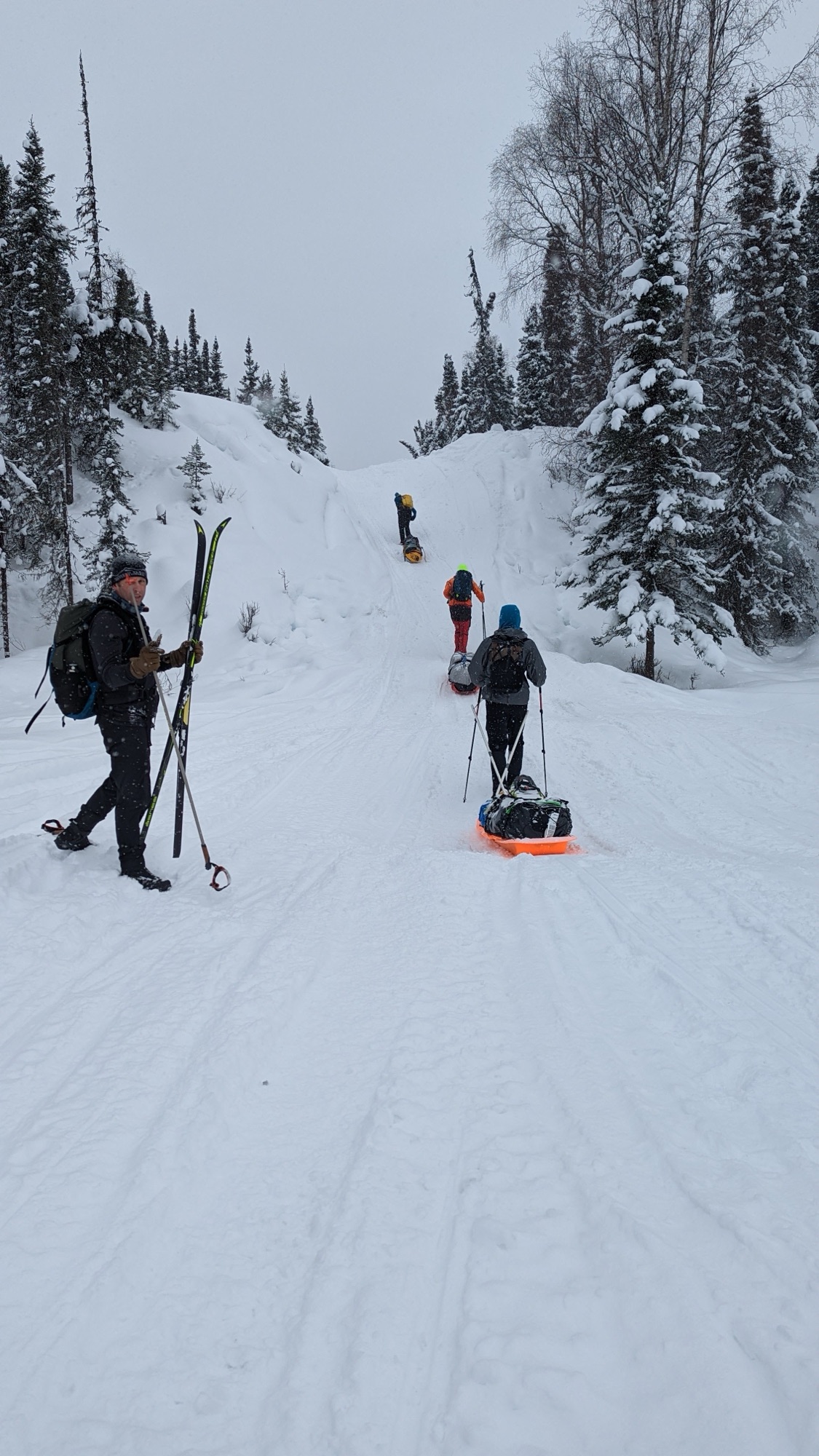
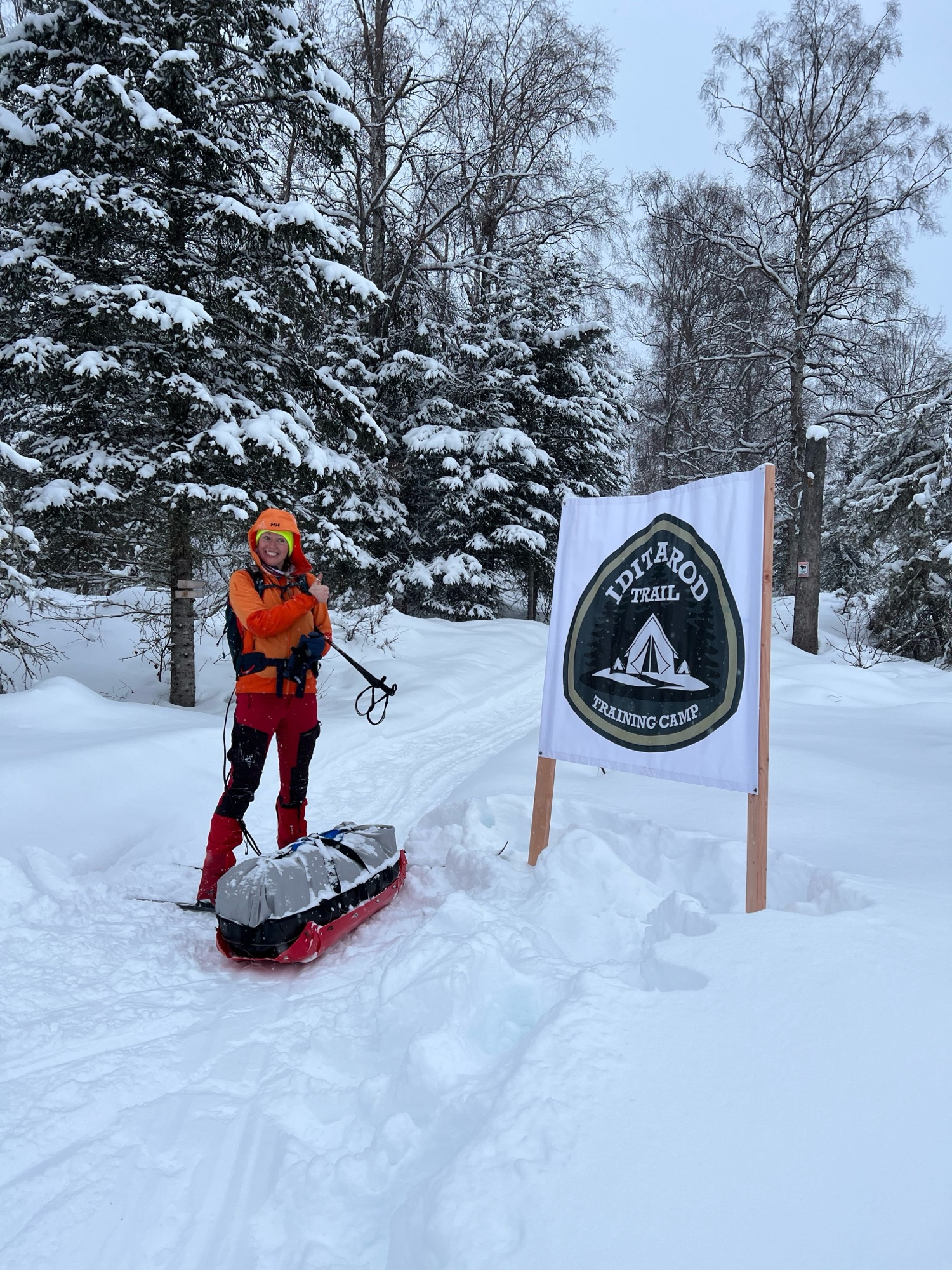
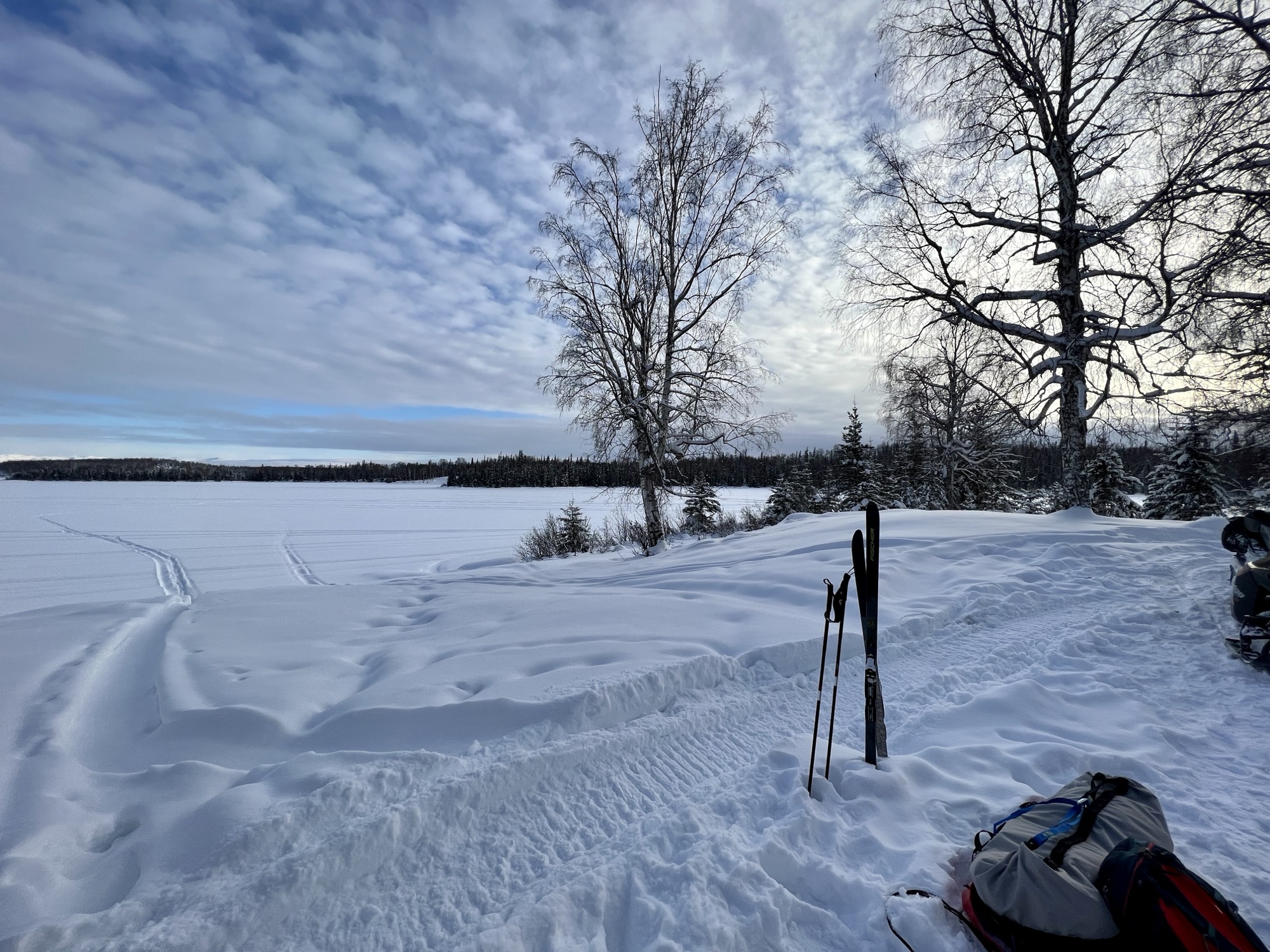
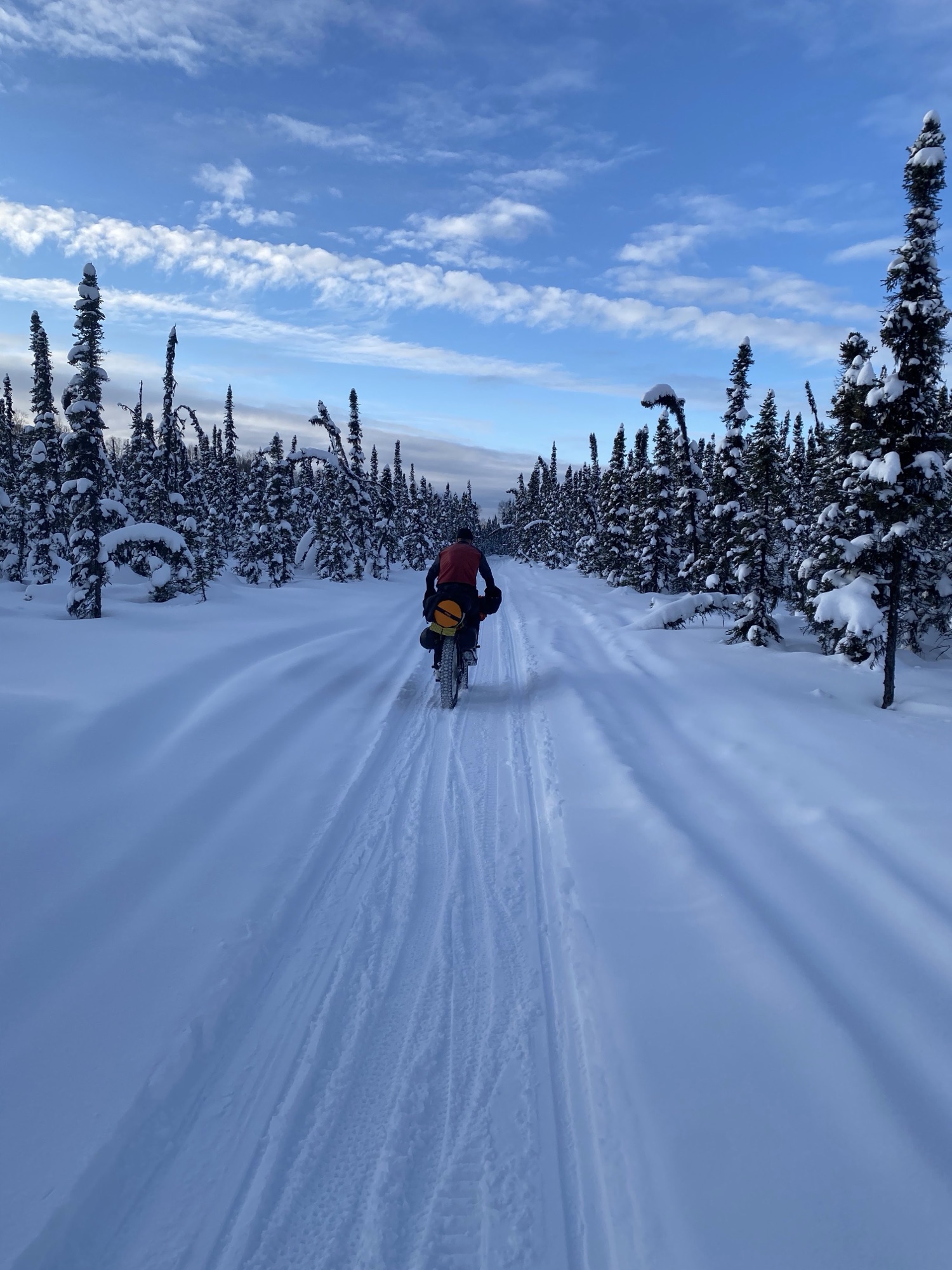
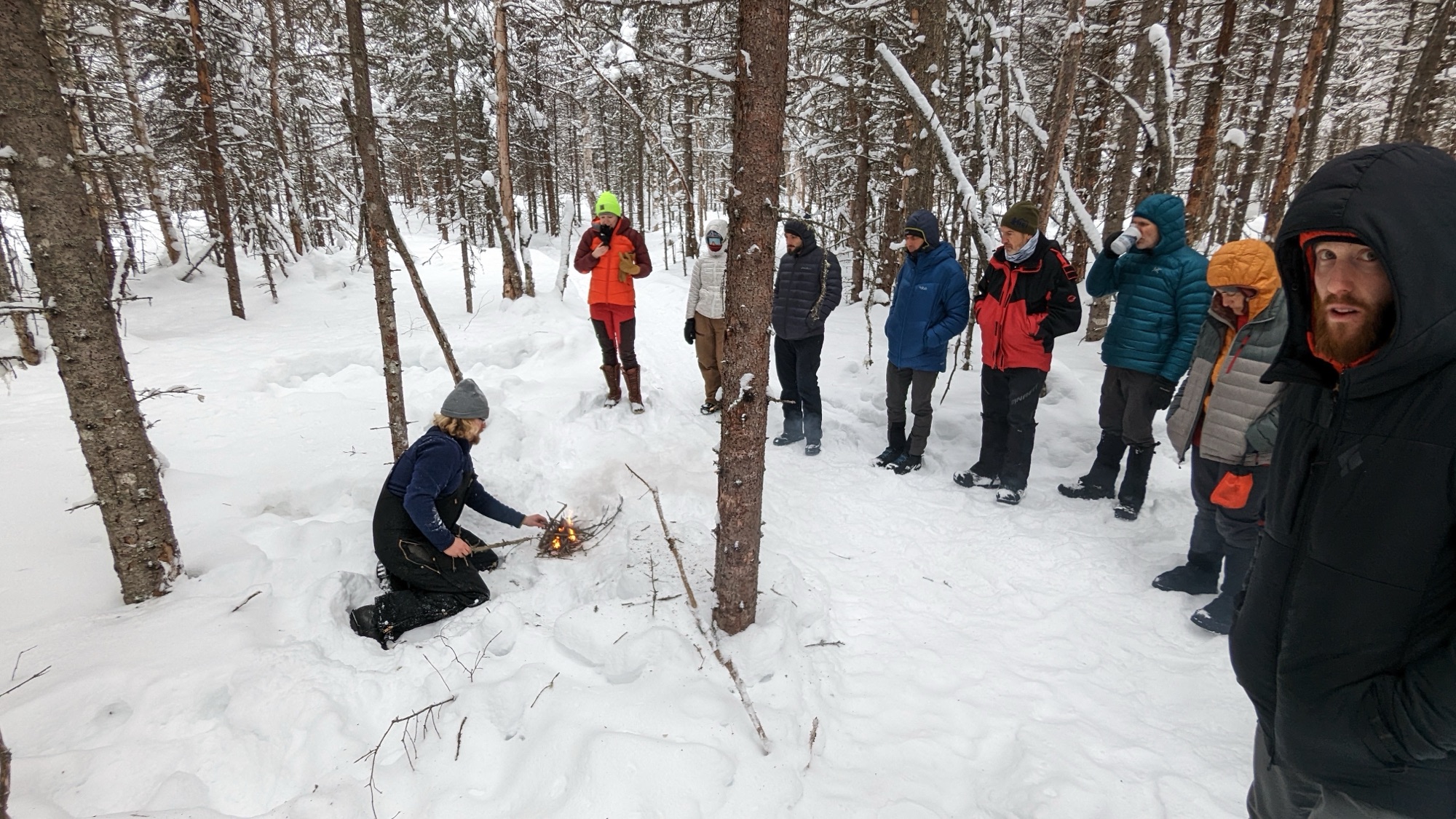

We did classroom instruction on a number of topics:
• Gear choice (camping gear, stoves, bikes, sleds, skis, etc.)
• Proper clothing & layering
• Protecting face, hands, and feet in the cold
• Moisture management in the cold
• Hydration & nutrition in cold weather conditions
• How to avoid hypothermia and other cold weather injuries.
• Navigation, self rescue, check-points, drop bags, etc.
• Bike/Sled set up and packing
• Use of stove and making water efficiently
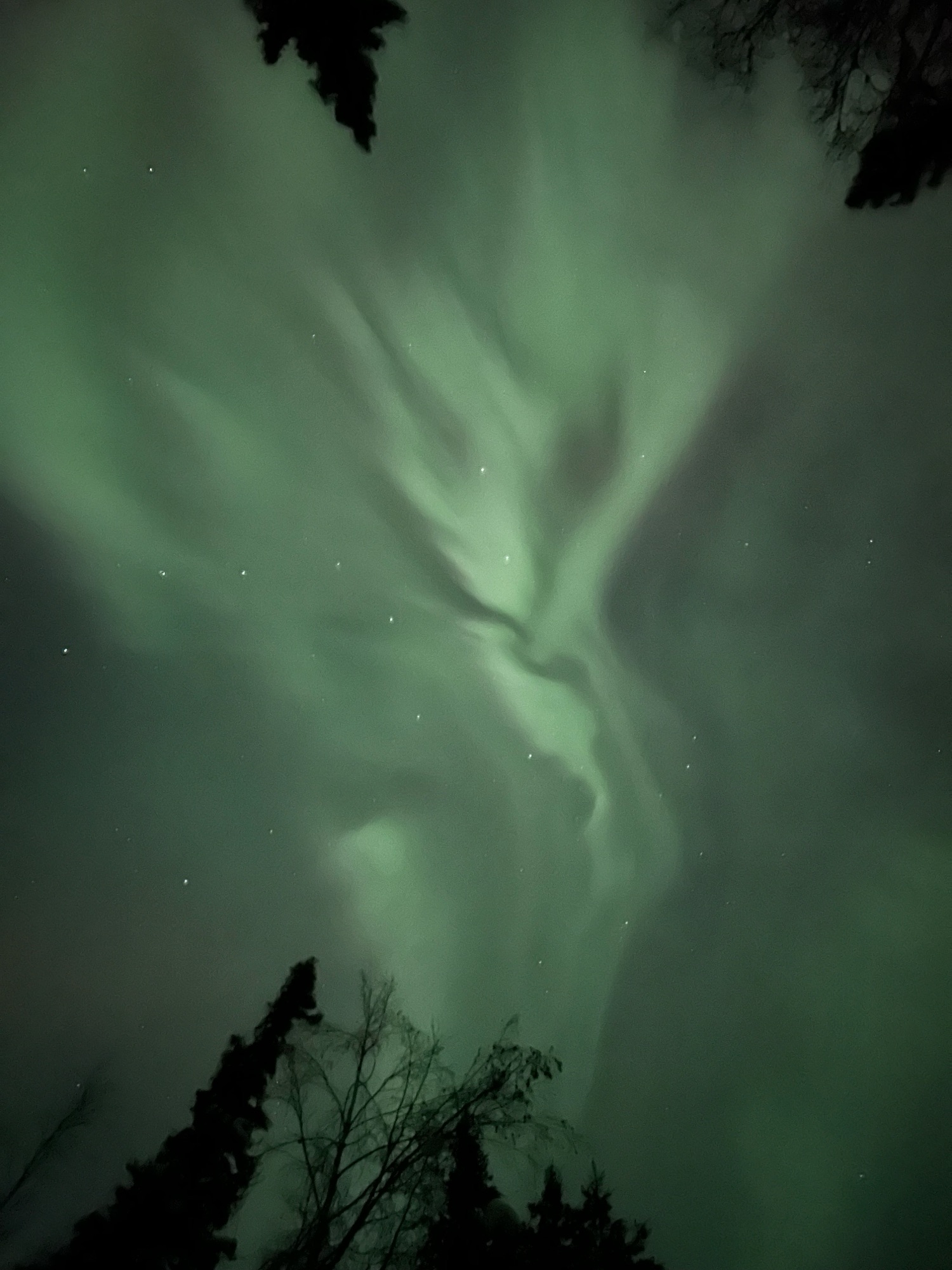
The last night, after the worlds most filling burritos, we were sent out to solo-bivy out on the trail. Some folks gathered to make a fire and share the last night together; I opted to camp alone and give myself a bit of time to reflect on the experience. The last night was mild, about 5f and not snowing. I’m not sure what time I dozed off but I woke up about 3:45am and (once I’d gotten the layers off my face), directly overhead was the Big Dipper, the state symbol/flag of Alaska, surrounded by the gently waving Northern Lights. The perfect way to experience them for the first time. I watched them for at least 30 minutes, completely at peace. I didn’t even think to take a single photo, I was so in the moment. Luckily, nearly other member of the camp saw them throughout the night and got lots of great pics. Except one who slept like a baby and missed the show! I’ve shamelessly co-opted someone else’s pic here.
The group of people that assembled out on that lake together really were special. The instructors, logistics crew and director were incredibly positive and supportive—the goal was education and confidence building, not hazing or “extreme boot camp” macho mentality. The camp directors/instructors said that has always been the case—the camp, and the race itself, attracts like minded people. People looking for a challenge and adventure, but also respectful of Mother Nature, and each other. All the other participants were also happy to share, eager to learn, and quick to laugh together. I especially appreciated how the male-dominated group went out of their way to be sure the three women attendees (me and two others) were always included, welcomed, and comfortable. It really had a great vibe and we had fun.
I also went into camp agnostic on whether I would want to participate in the race itself, but hoping that I would learn lots I could apply to my general adventuring. And I did! But now…I really wanted to do that fucking race!!
We dispersed from camp and headed home to ‘watch’ the race—the drama and mystery of the online race tracker page, the tidbits shared by racers on their social media…its impossible to know what dramas they face in the moment, which adds to the speculation and appeal. I waited to hear if I’d get ‘the invite’. At camp, the instructors observed our skillsets and comfort with the various tasks and equipment needed to safely bivy, cook, navigate and wayfind, move, and more through the Alaskan winter environment. Those camp attendees that they deemed ‘ready’ received an invitation to apply for the race the following year. And guaranteed acceptance. I thought I’d performed reasonably well at camp; I’d definitely learned a lot. But you can’t be sure until you’re reading in bed one Saturday morning and lazily pick up your phone to a new email.

Veterans of the race have said that mountaineering experience is more relevant to success in the ITI than strength as a cyclist, or skier, or runner. It turns out my cold-weather Appalachian Trail mountain adventuring, while not true mountaineering, was an accidental training regimen. I went through a mental checklist of what I’d need to succeed in ITI:
- Comfort being in backcountry alone? Check.
- Comfort around discomfort—mileage, weather, bodily wear-and tear? Check.
- Comfort around route planning, navigation, backcountry comms? Check.
- Ability to ski over 300 miles? Uhhhhhhh…tbd.
I learned to cross country ski by being 4 years old and having the kind of parents who just strapped you in and said “go ahead, follow your sisters!”. We cross country skied some up at our family’s cabin in Northern Wisconsin (20 minutes from the start of the famed Berkebiener Ski race, no less), but had only been out on Nordic skis maybe a dozen times since reaching my full height in middle school. I was never on a ski team, I never competed in a ski race, I never had a cross country ski lesson… I’m a ‘shuffle on skis’ skier or “be pulled by my retired Alaskan husky” skijorer, not a power glider. Could I even ski 30 miles, much less more than that, day in and day out, pulling a sled? Meh, probably. Wont know if I wont try, I suppose. Besides, I have nearly 11 months!
*hits submit on race application*
Gear Nirvana
“Unlike most winter races, the ITI does not require a long list of required equipment. Only experienced winter athletes qualify for the race, so you are presumed to know how to take care of yourself in extreme winter conditions. The obligation is on you to understand the conditions you may face, the risks you are willing to accept, and that you will be responsible for the consequences of your own decisions, including those related to equipment. There is only one piece of required equipment: A SPOT Trace unit is included with your entry, will be issued to you at race check-in and must be active at all times while participating in the ITI.” –Official ITI Athlete Guide
Oh….shit. Guess this is on me then, eh? And have you been into an REI lately? You can spend a billion dollars by blinking in that place. Now, imagine you know you’re going to face possibly up to -40 degree temperatures alone out in remote Alaskan nowheresville. The panic buying can be real. A couple of VERY key resources helped me begin to hone my gear setup for the race:
- Past racer writeups found on Google and passed around between racers – sharing their setups, what worked what didn’t
- ITI camp list – after registering for camp, a ‘tried and true’ gear list, with some commentary and annotations, was made available. This guided a lot of my big purchases, such as sleeping kit (bag ratings, bivy options and sleeping pads, oh my!), cooking and utensils kit, hydration system, clothing, footwear, hygiene, and offered advice how to pack gear on your rig (bike or sled).
A friend of mine often talks about reaching “gear nirvana”. This is the enlightened state, where one owns all the gear one wants and needs. For outdoor enthusiasts, this concept is hilarious because it’s impossible. There’s always some new model, some incremental improvement, some new brand or tech to try. There’s also no ‘right answer’ for gear. Different gear will work for different people, so informed opinion + experimentation is the name of the game. For ITI, there’s a lot of testing ahead of time to figure out what works for me. I felt good about much of my gear on first test, but other items I played around with multiple setups and options before landing on my final kit. for example: I skied on the skis that I brought for ITI Camp as a first test, but I swapped my entire sled bag out ten days before race start. I tried to space out the big purchases over the course of the year but there’s always a bit of panic buying right as it comes down to race day. I’m going to share a full gear list and assessment of what worked and what didn’t for me in the final part of this story, the post-race summary post.
Chasing Winter in the Whites
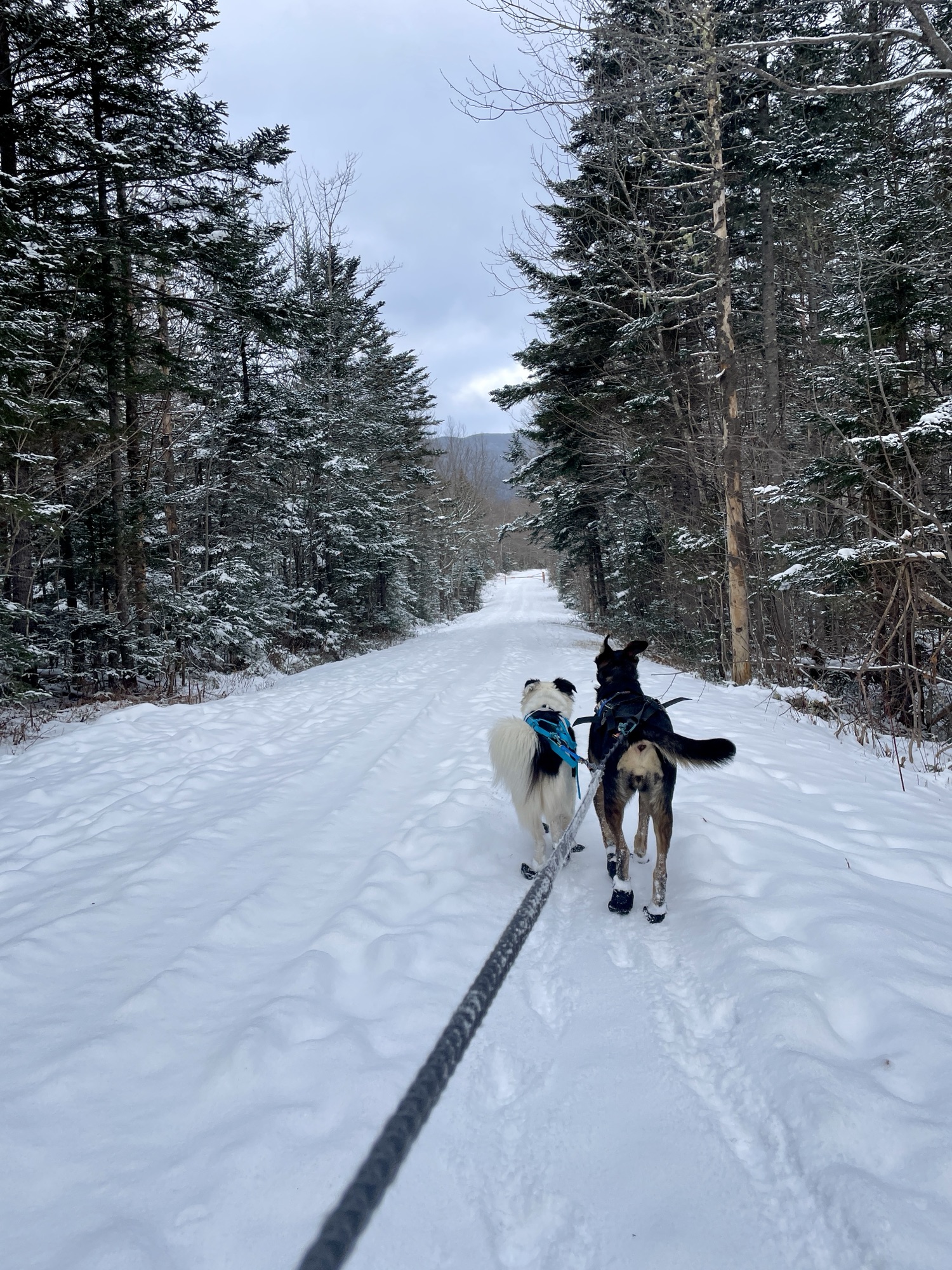
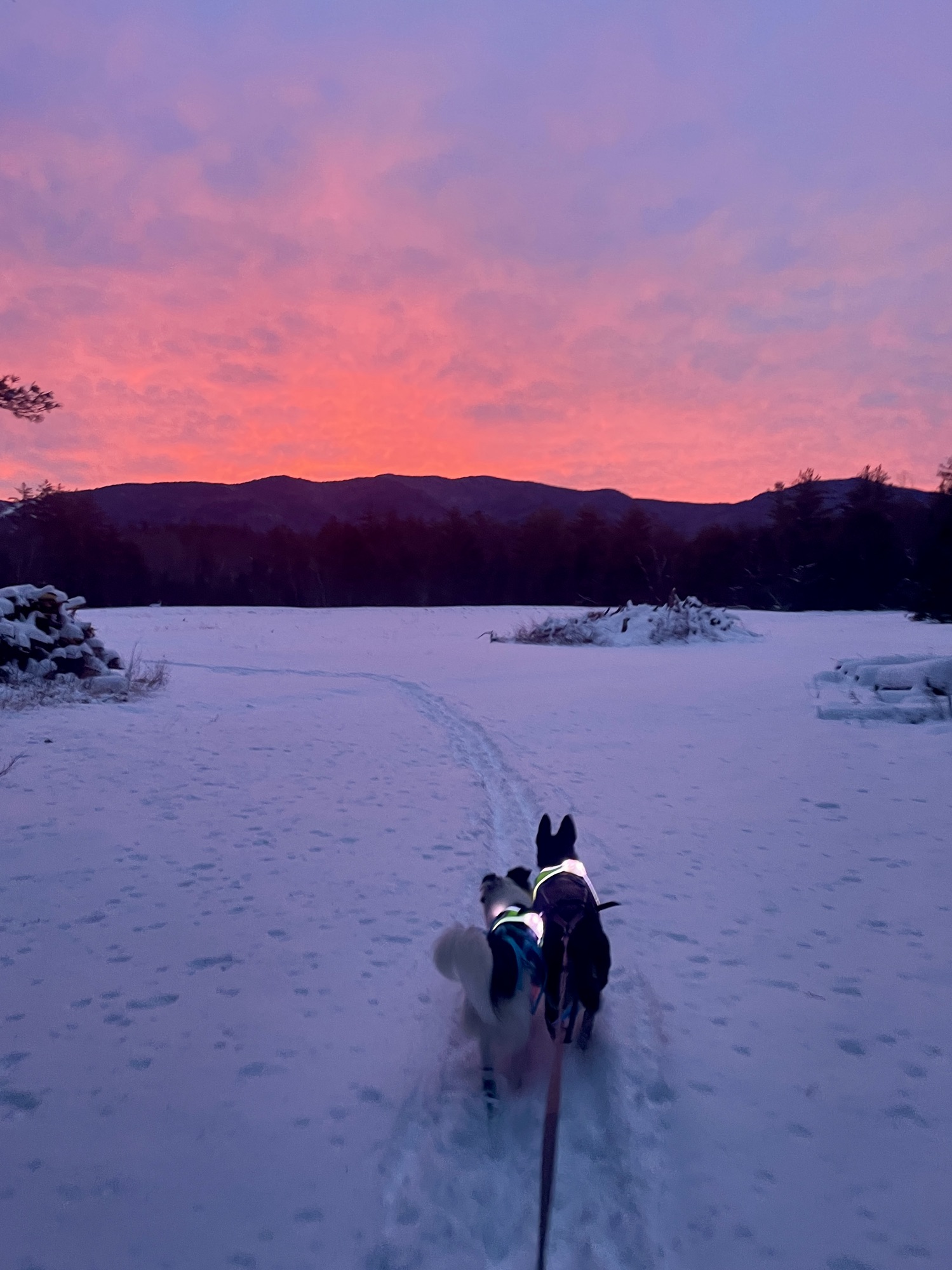
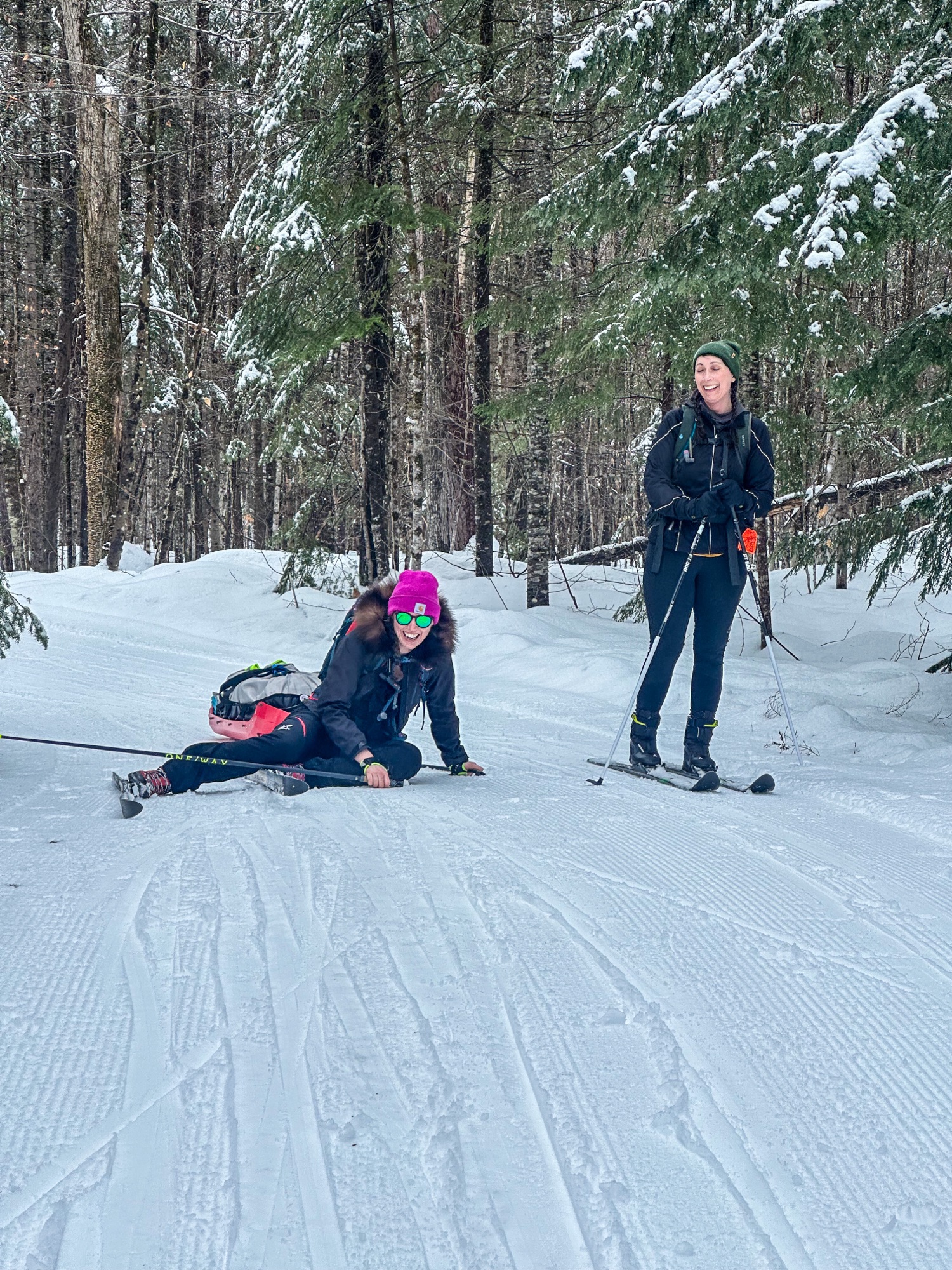
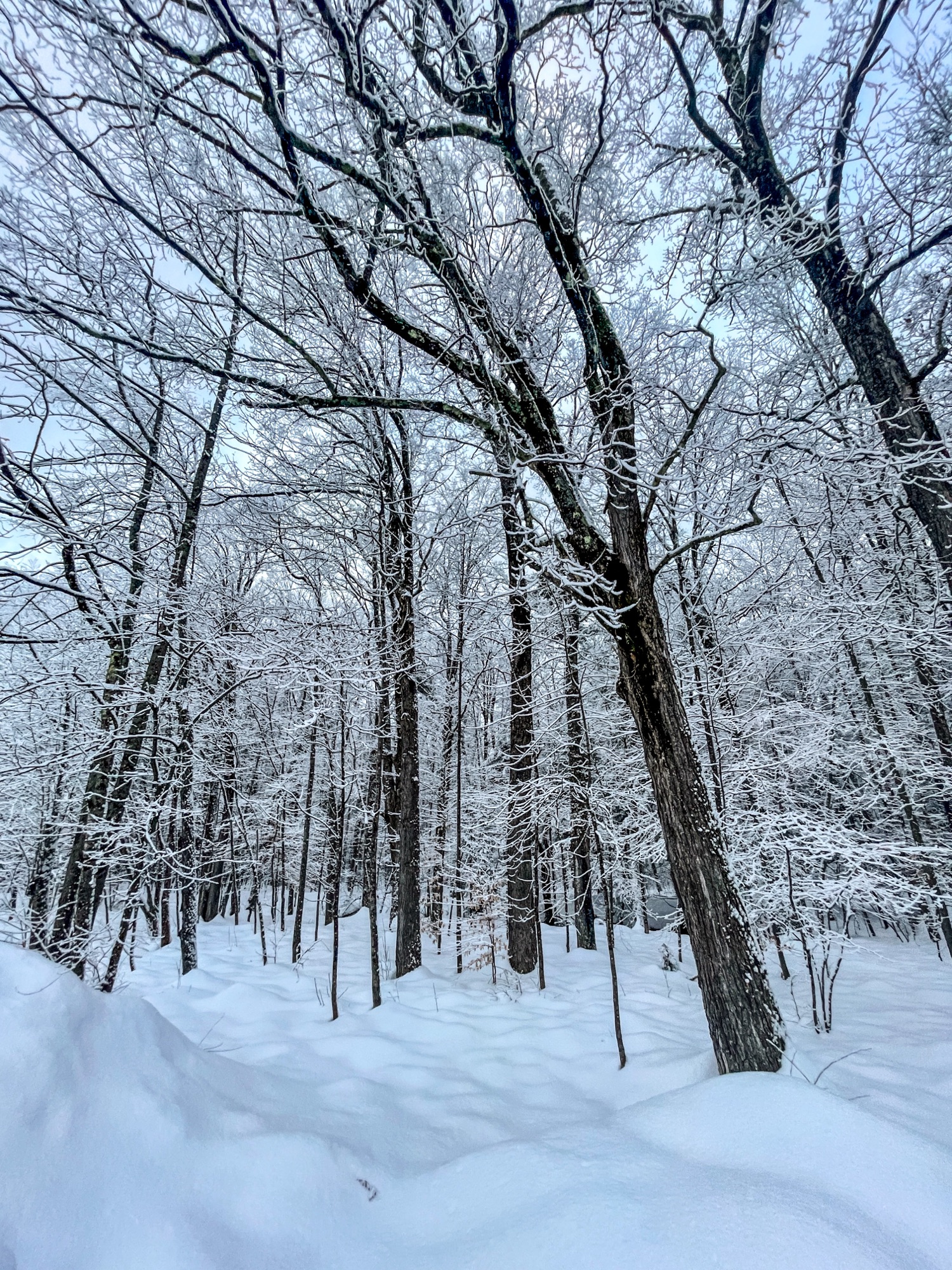
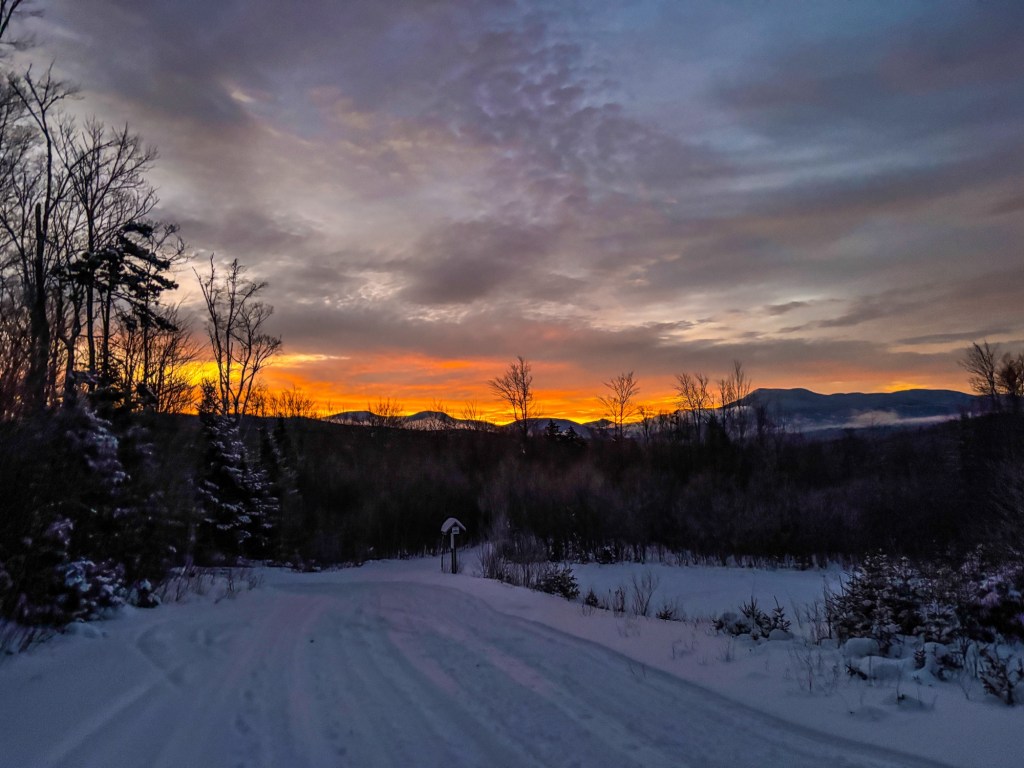
Quick, how many inches of snow do you think Boston got this winter (2023-24)? The answer is 11 inches…total. *sadface*. Yep, New England is warming and wetting faster than almost anywhere in recent years. How’s a racer to train to ski 300 miles when she lives in perpetual spring? In the immortal words of the Avett brothers: ‘Tell the ones who need to know/ We are headed north’. Wy&Wo and I moved to a refurbished barn in New Hampshire’s White Mountains. The Barn was ski-on-ski-off to Bear Notch Ski Touring, a 100% dog-friendly Nordic ski center, and very close to the snowmobile network that goes up over the bear notch mountain pass in Bartlett, New Hampshire. I figured a little hill training wouldn’t hurt if I had to ski over the Alaska Range. The month we spent up in the Whites set us up for success—I worked remotely for much of the month and was able to ski my face off before, after, even sometimes during the workday. Weekends were barnburners of multiple long skis. I got to practice in varied weather conditions, get hours in the dark in in the mornings and evenings, and practice using my whole setup including my pulk sled, who I affectionately named Pokey (yes, it’s a Gumby reference).
All around us, it was a winter wonderland…for about a 30 mile radius. Everywhere else in New England, lakes never froze, snow never came, winter trips were cancelled, and nearly every single American mushing race was cancelled south of Alaska. I have a half-joking saying that “Good things come to those who plan”. I did the planning to know the location to be and get the place, but it still took a fair amount of weather luck for the plan to work. I was very grateful for it! We know we live in a place where we are losing our winters, which made me even more determined to ring every last drop out of this one. It was a beautiful, calm, liminal month, that I’ll always remember as an early-morning skijor as the light slowly rises over two glowing dog tails running me in-harness in the shadow of Mt. Isolation and the other surrounding peaks of the Whites.
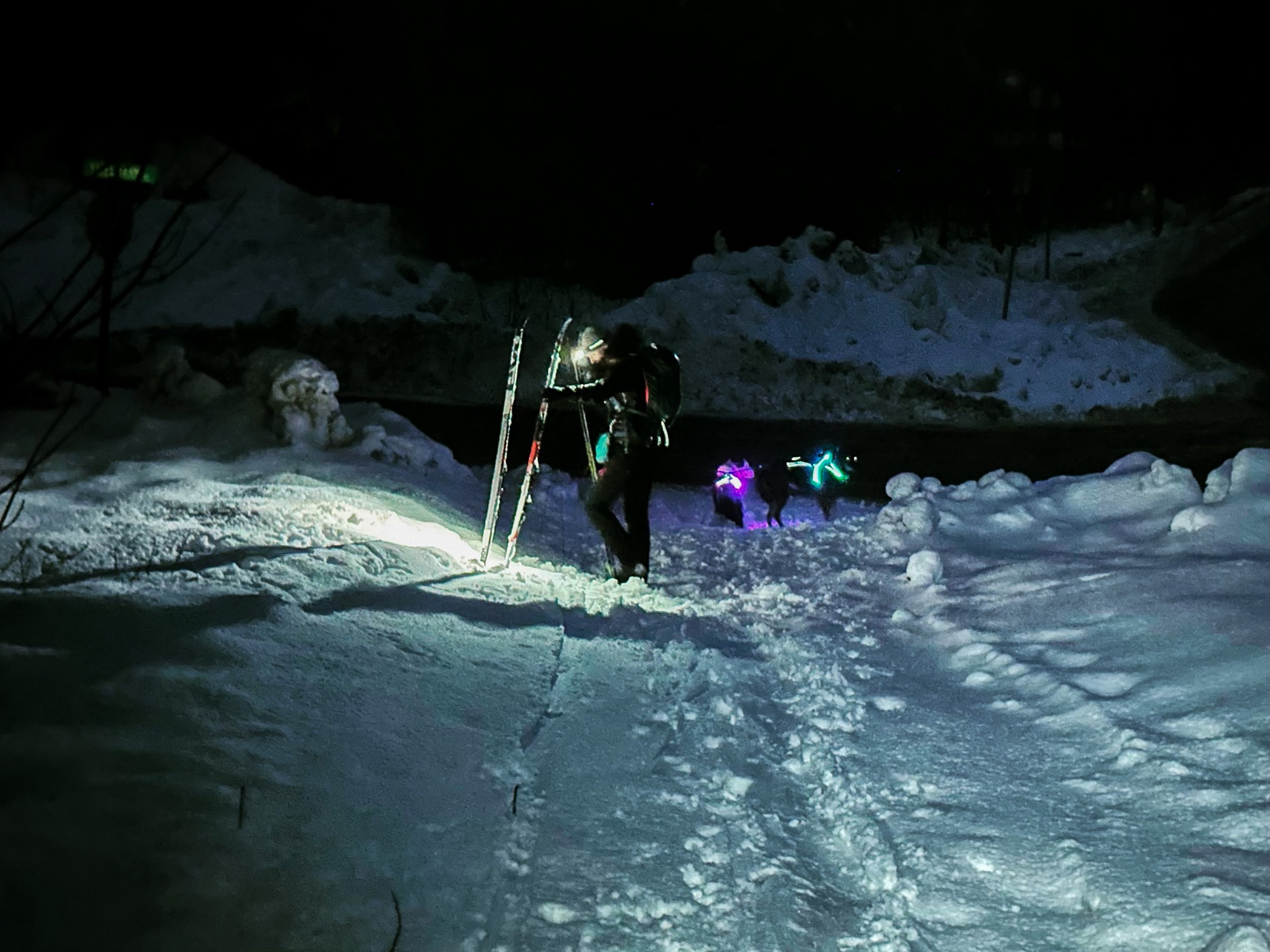
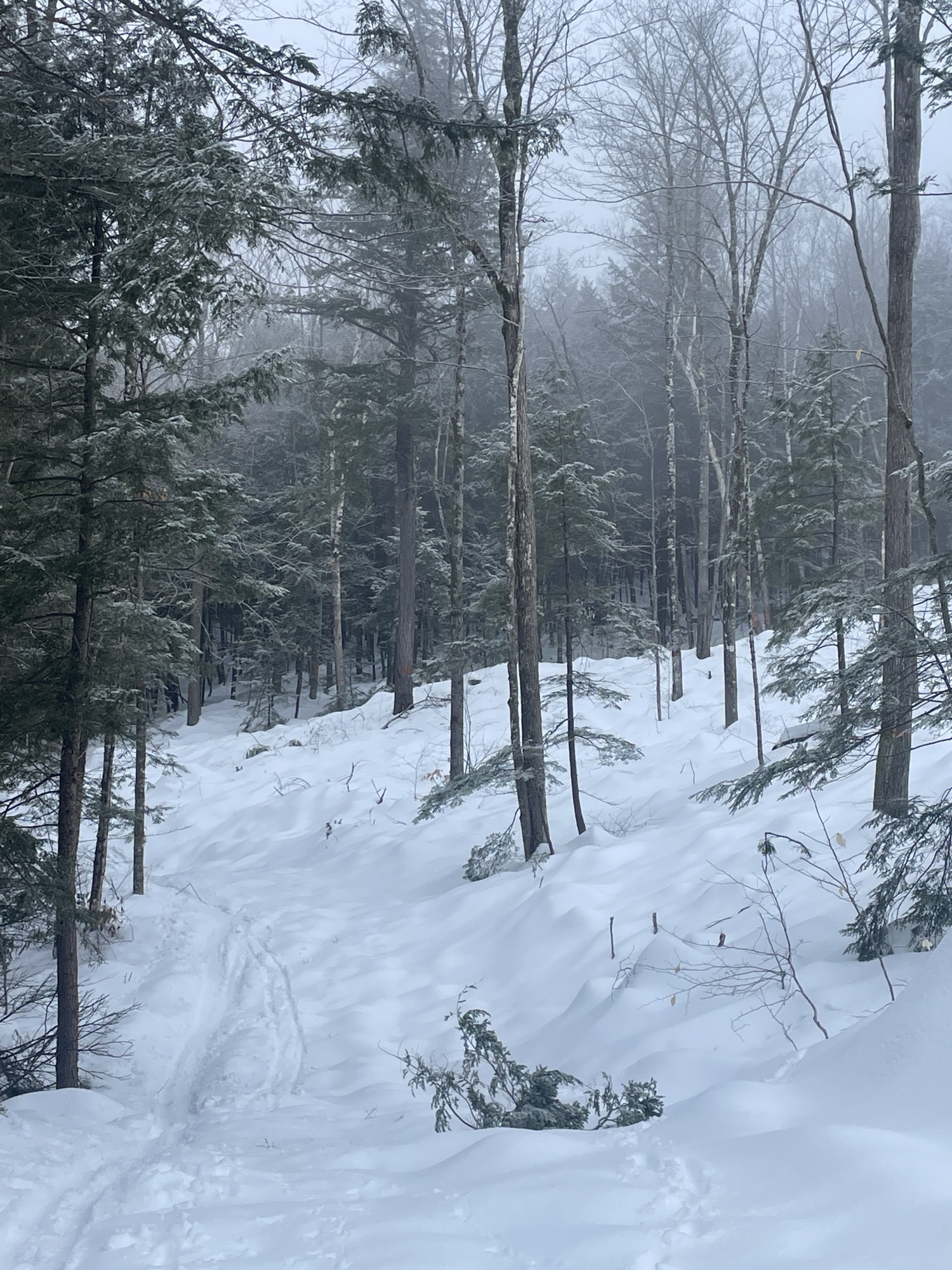
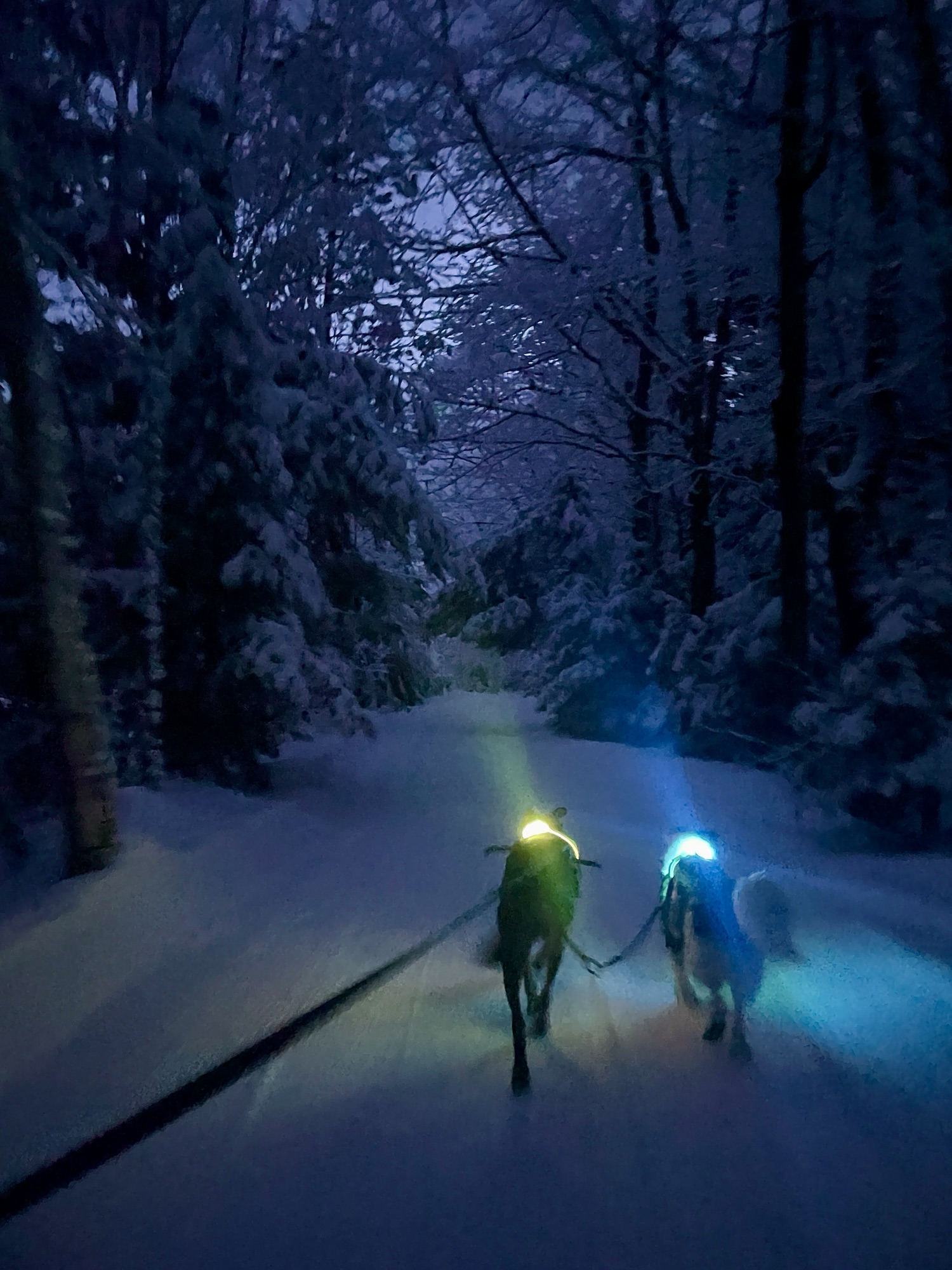
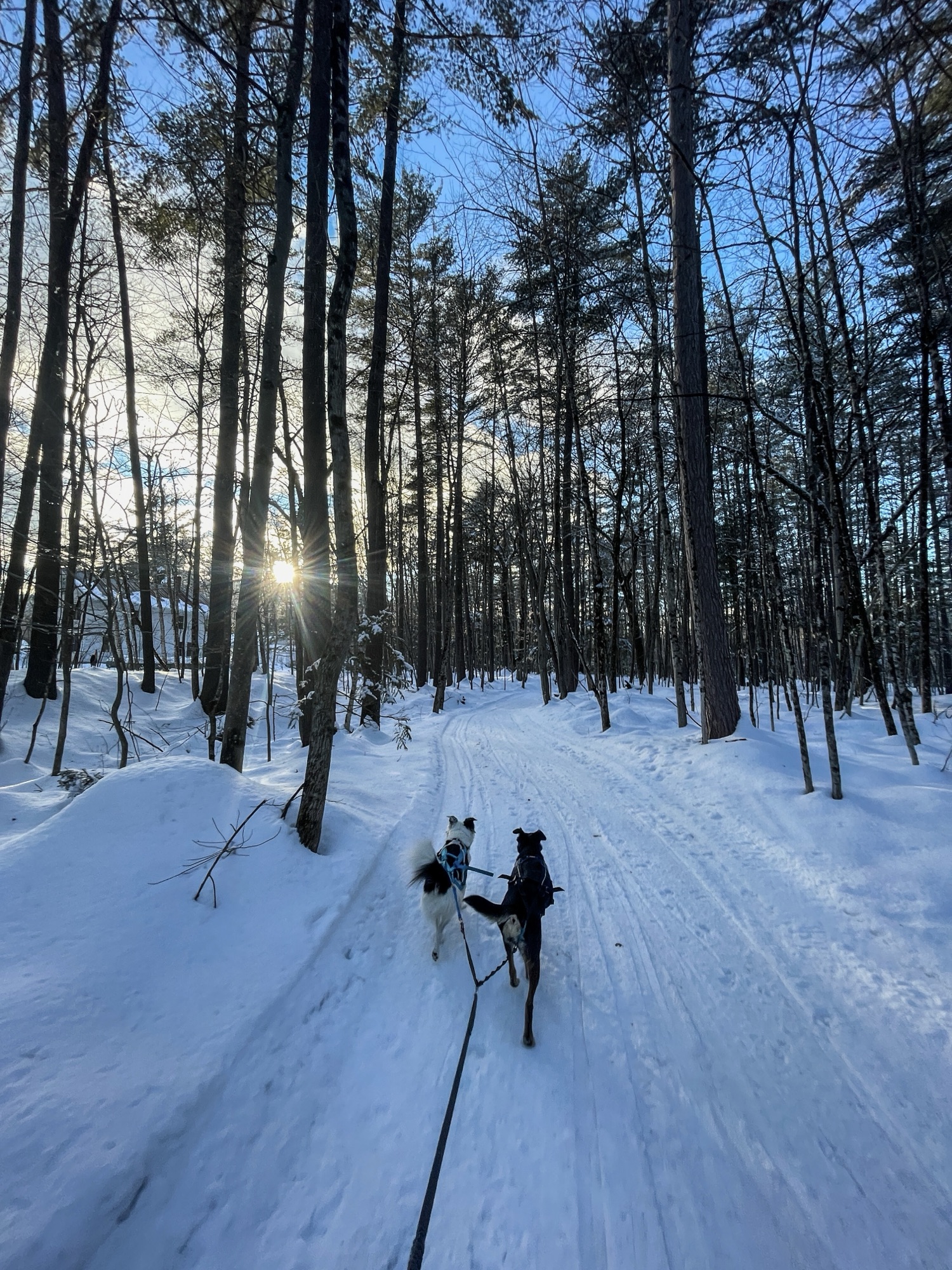
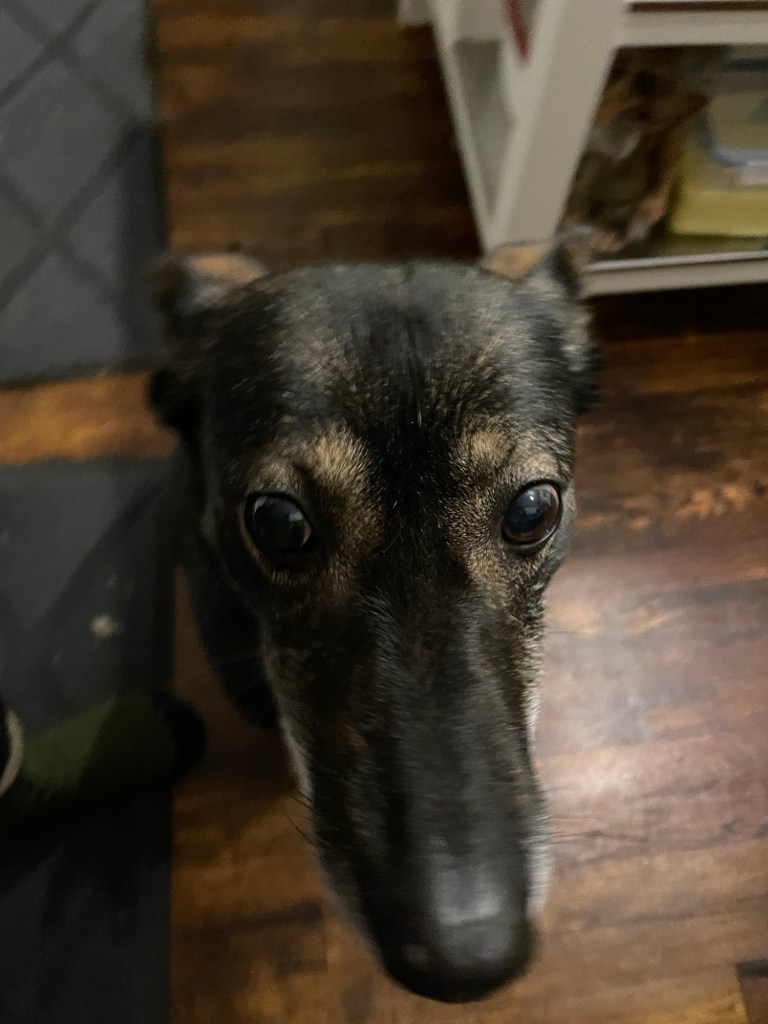
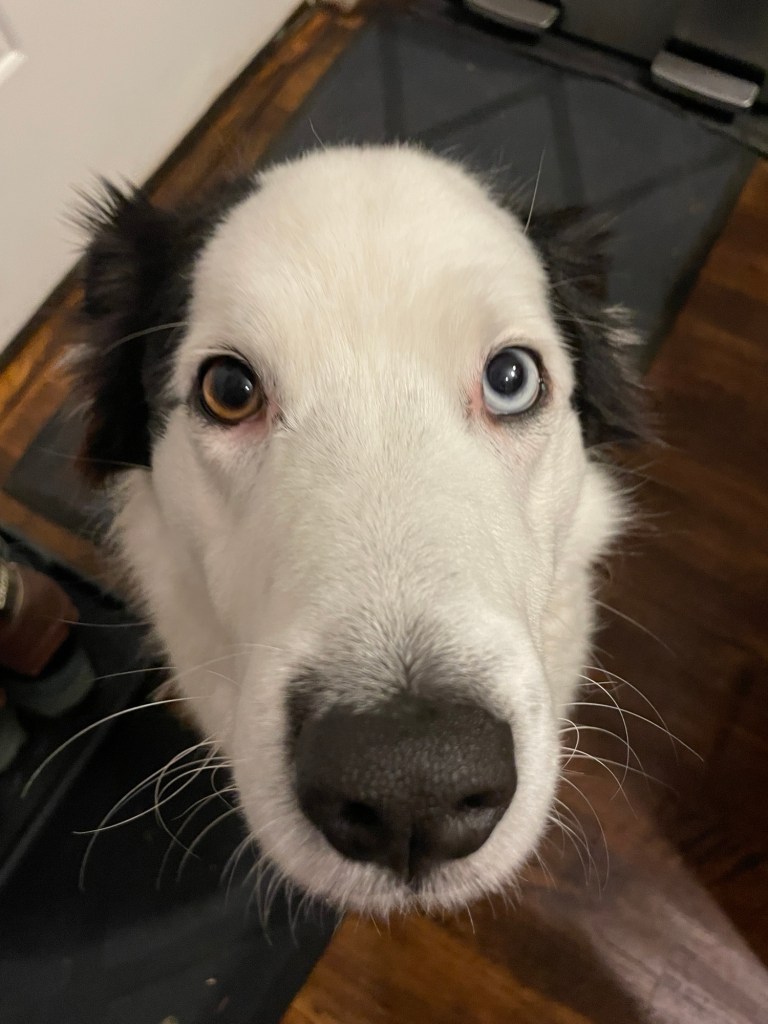
After our lovely stay in Bartlett, Wy&Wo and I were back in the city a grand total of four days before they were shipped off to CampConnecticut. My lovely sister and very patient brother-in-law took them in for the duration of my trip to Alaska, which was no small assist. I left for Anchorage February 4th on a one-way ticket, knowing the earliest I’d likely get back was at least a month. Dropping them off and driving away was possibly the hardest part of the whole prep process—we’re a very co-dependent pack. It does make it easier when I know they’re with people and at a place they have total comfort with. They settled right in and besides an unfortunately-timed loose bowel incident and the few days Wylie decided houseplants were fair game for bathroom breaks, their camp experience was uneventful for the duration.
Big Lake, Big Dreams
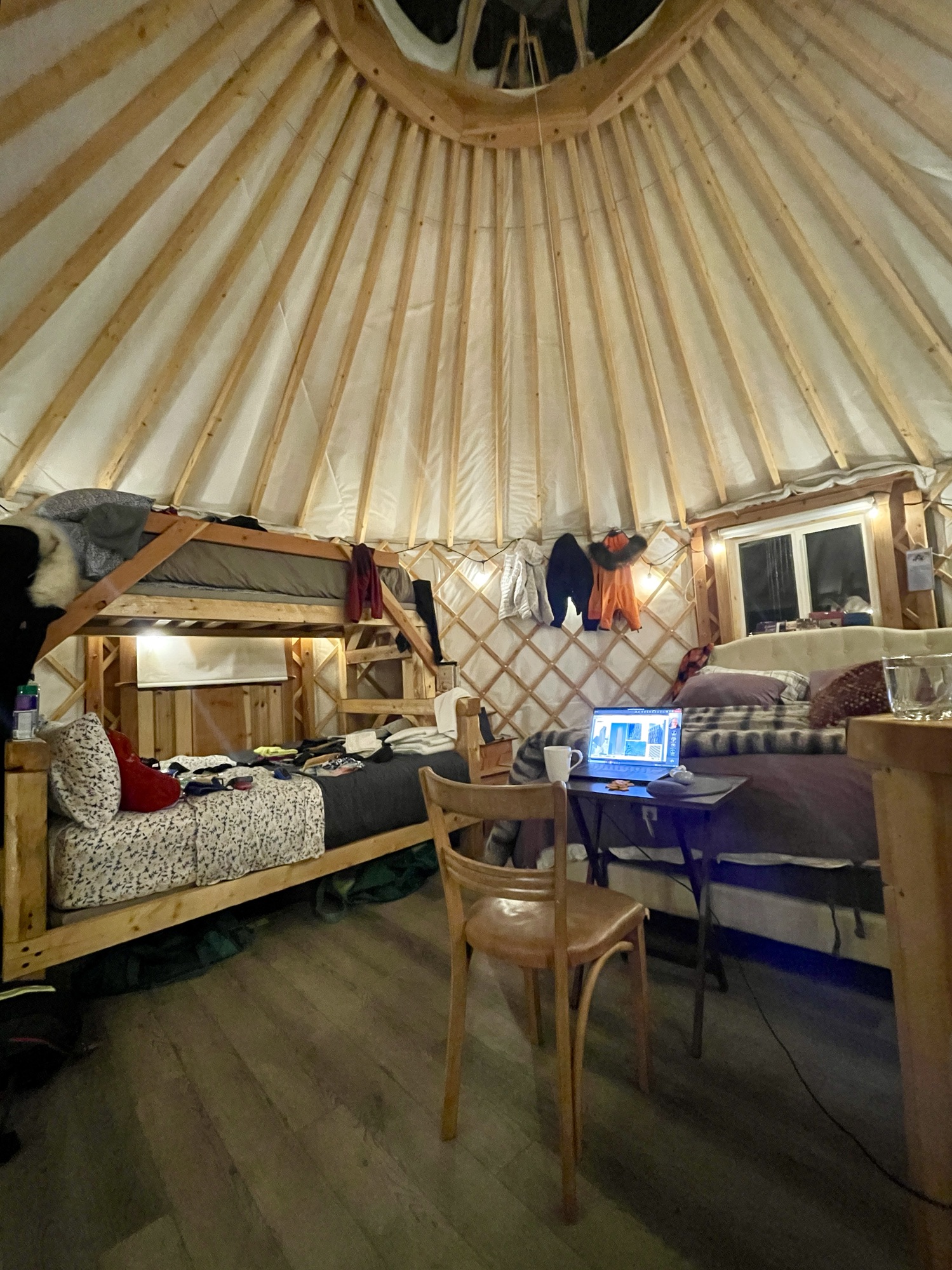
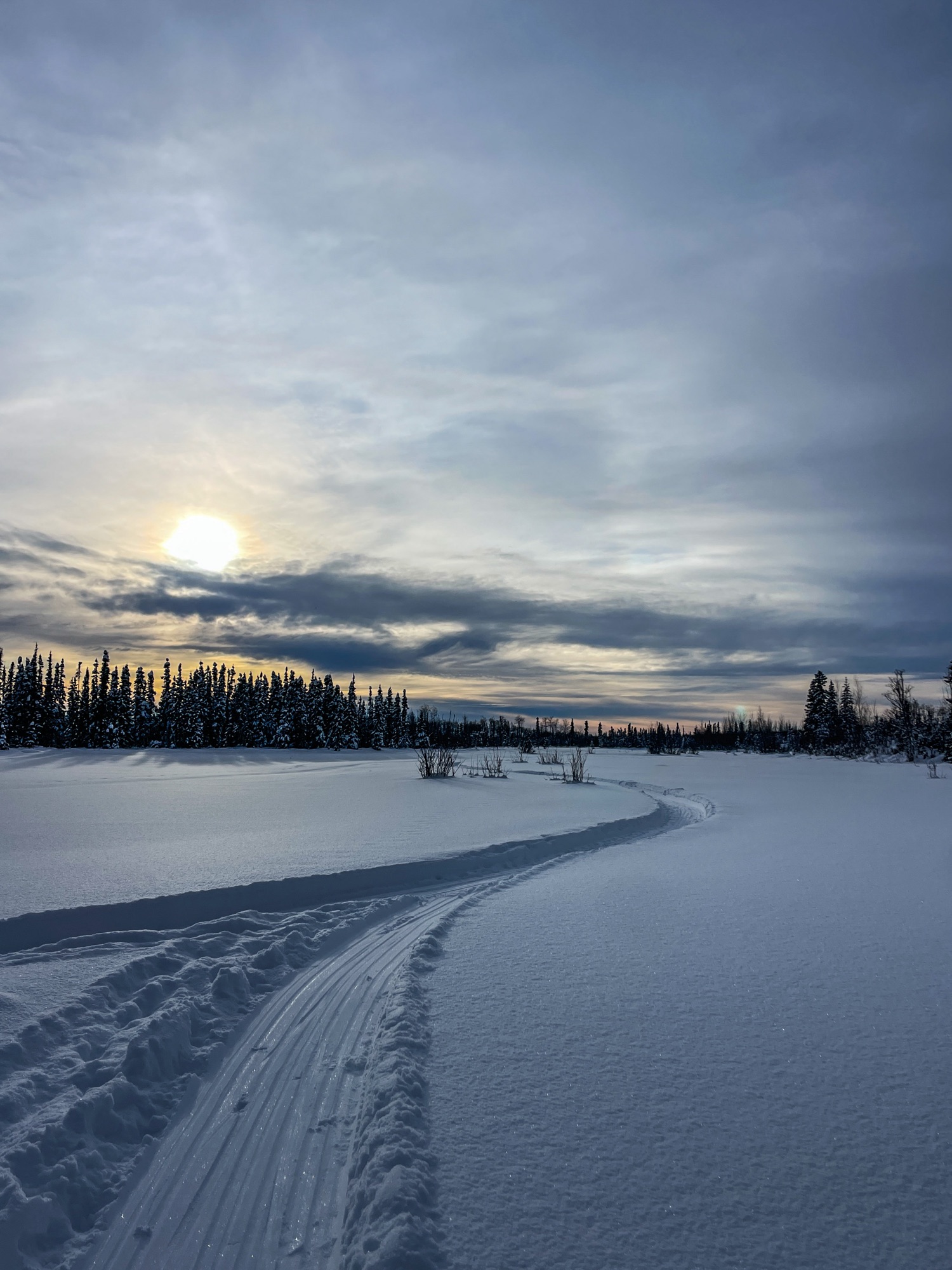
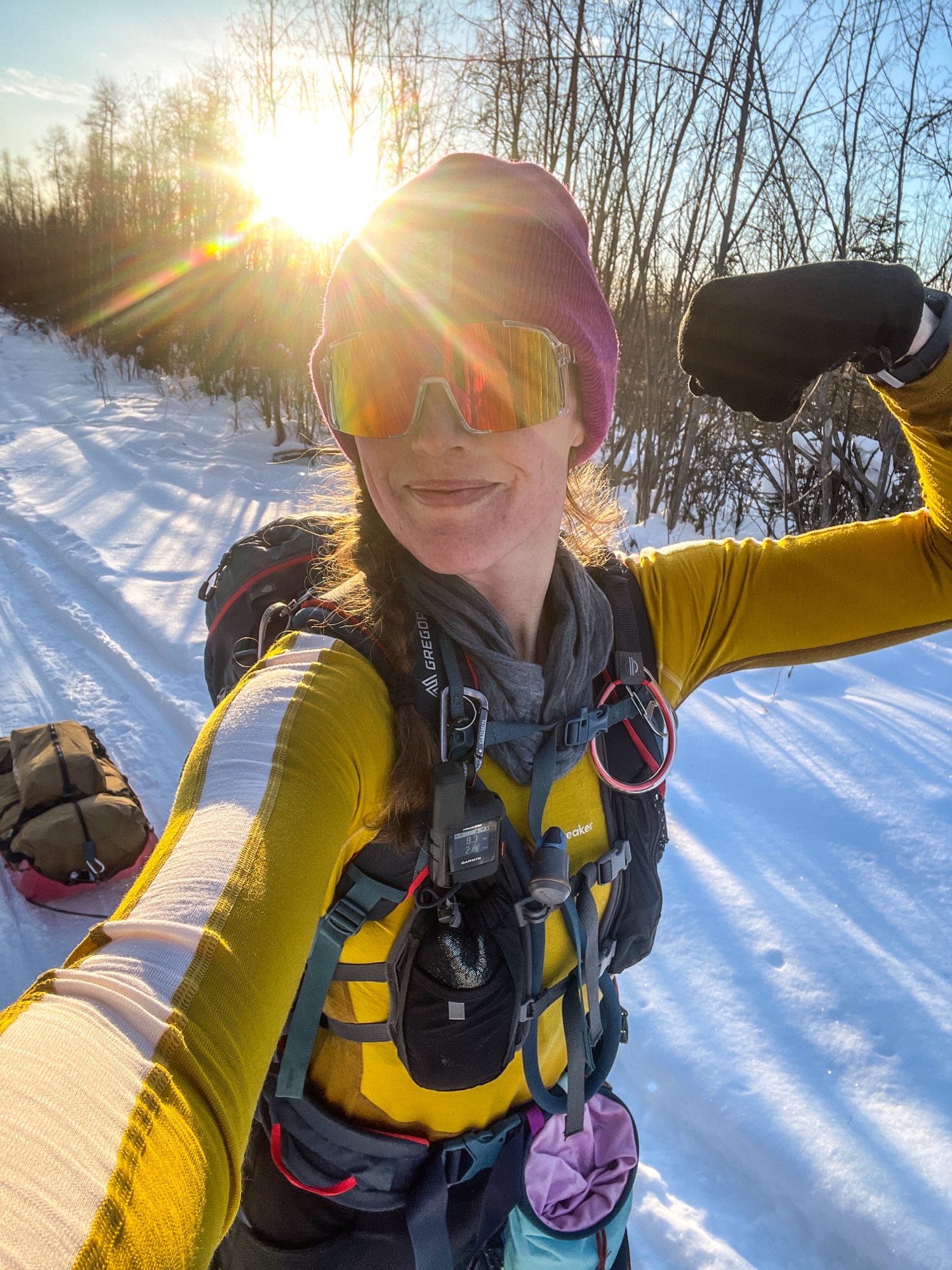
I’ve been in Alaska a few times at this point, so I knew enough to set myself up with a sweet local training setup. My friend Katie owns a property in Big Lake that has rental yurts, good cell coverage, and ski-on-ski-off access to the greater Big Lake-Knik trail network. The same trail network comprises the first couple dozen miles of the ITI race, so I got to train right on the trails I’d be racing. The race doesn’t have a set route, so I also got to scout the route options and familiarize myself with how they interconnected. I had to contend with a pretty severe travel cold (every time! I masked and everything!) which knocked out a few days of training. The bigger issue is my Asthma makes the “death rattle hack” hang around for 2-4 weeks after being sick, so I had to be pretty fastidious to be sure I was fully healed up by race day. Thankfully, the winter gods were kind to me and gave me fair pre-race weather that allowed me to both train and not place undue duress on my lungs, and they healed up just in time. Outside of the convalescence, I got to experience -40f for the first time, and also got to ski 20k of a 25k fun run race with my friend Shantel and new friend Andrea (and Clover!).

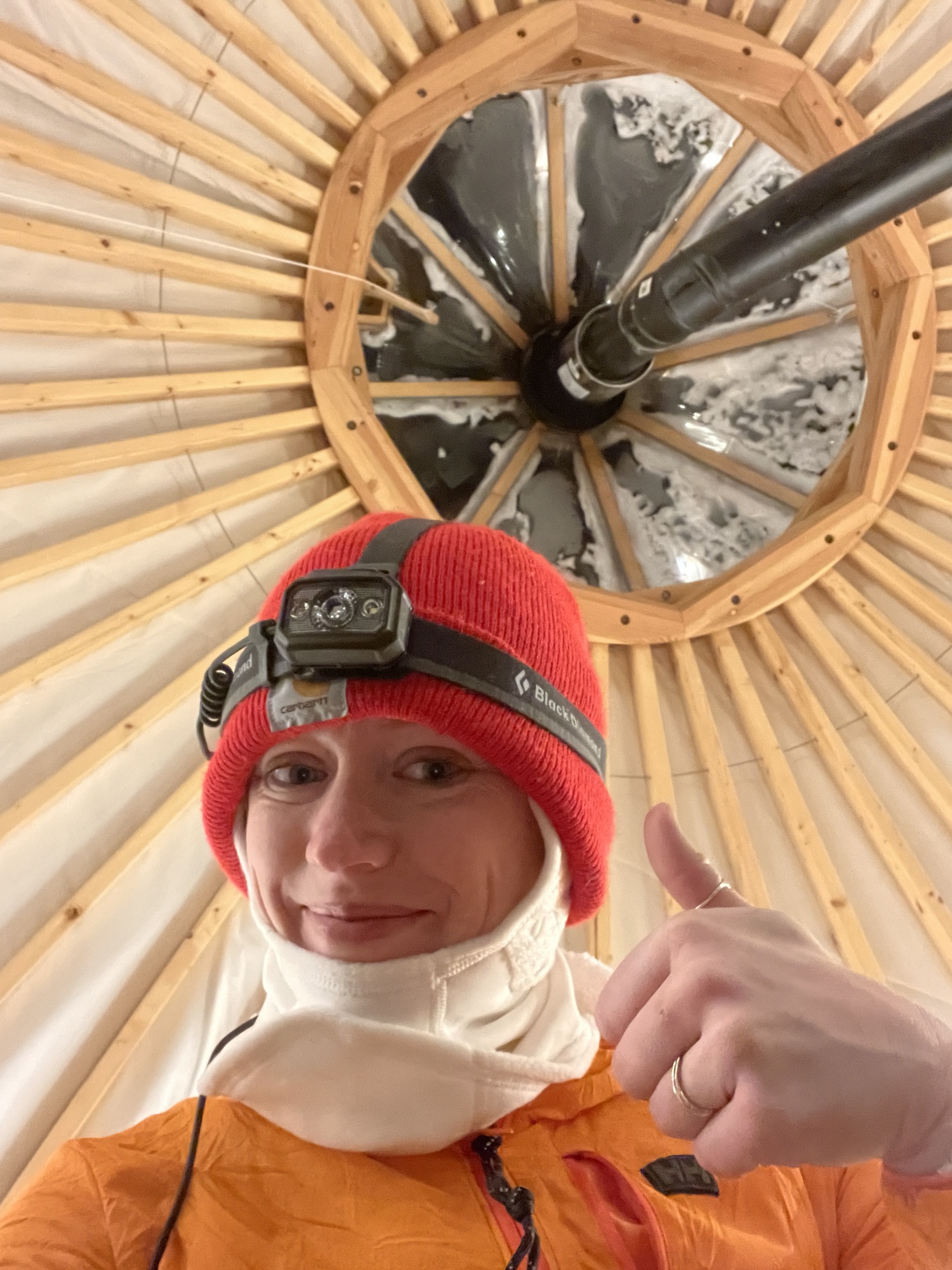

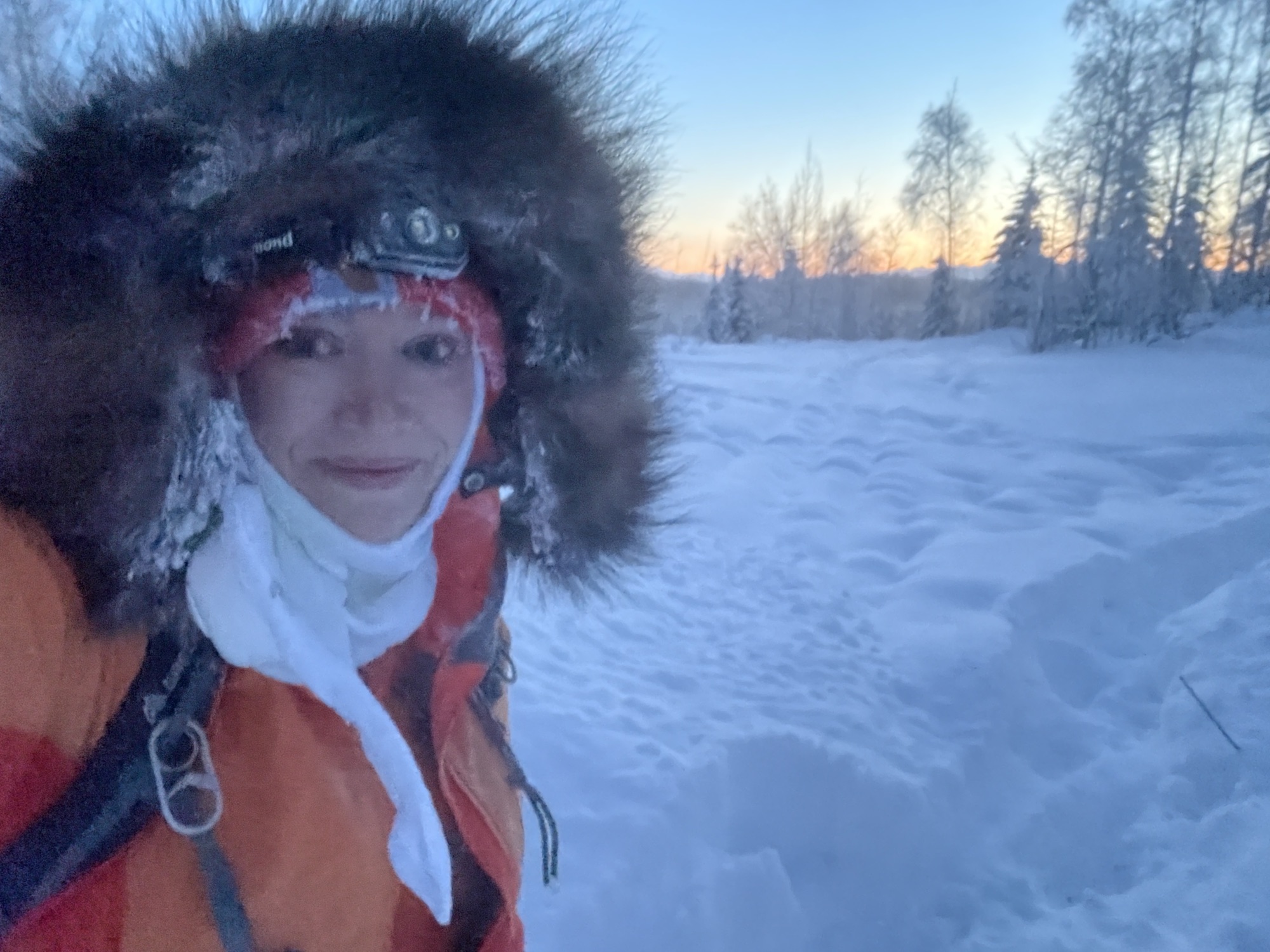
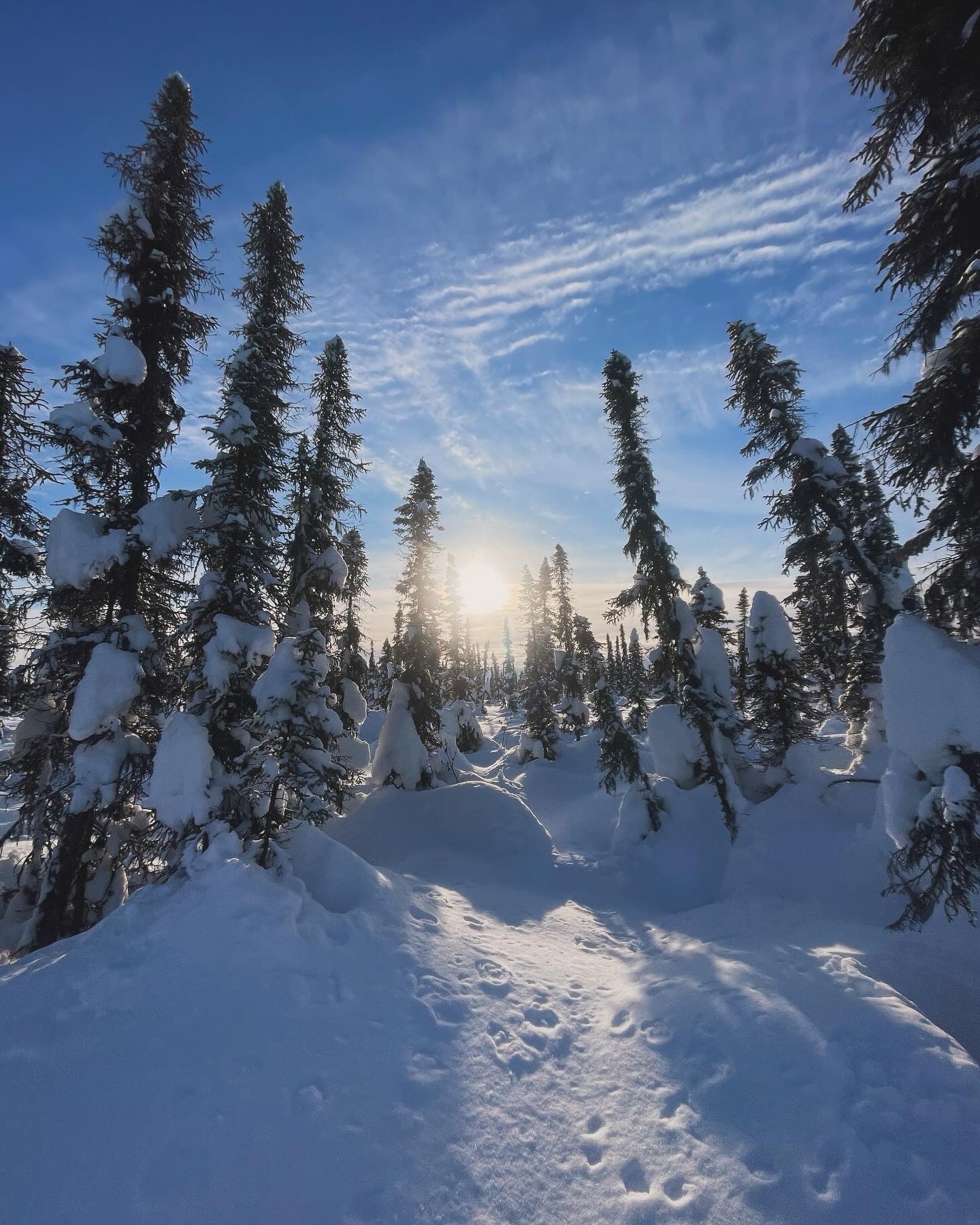
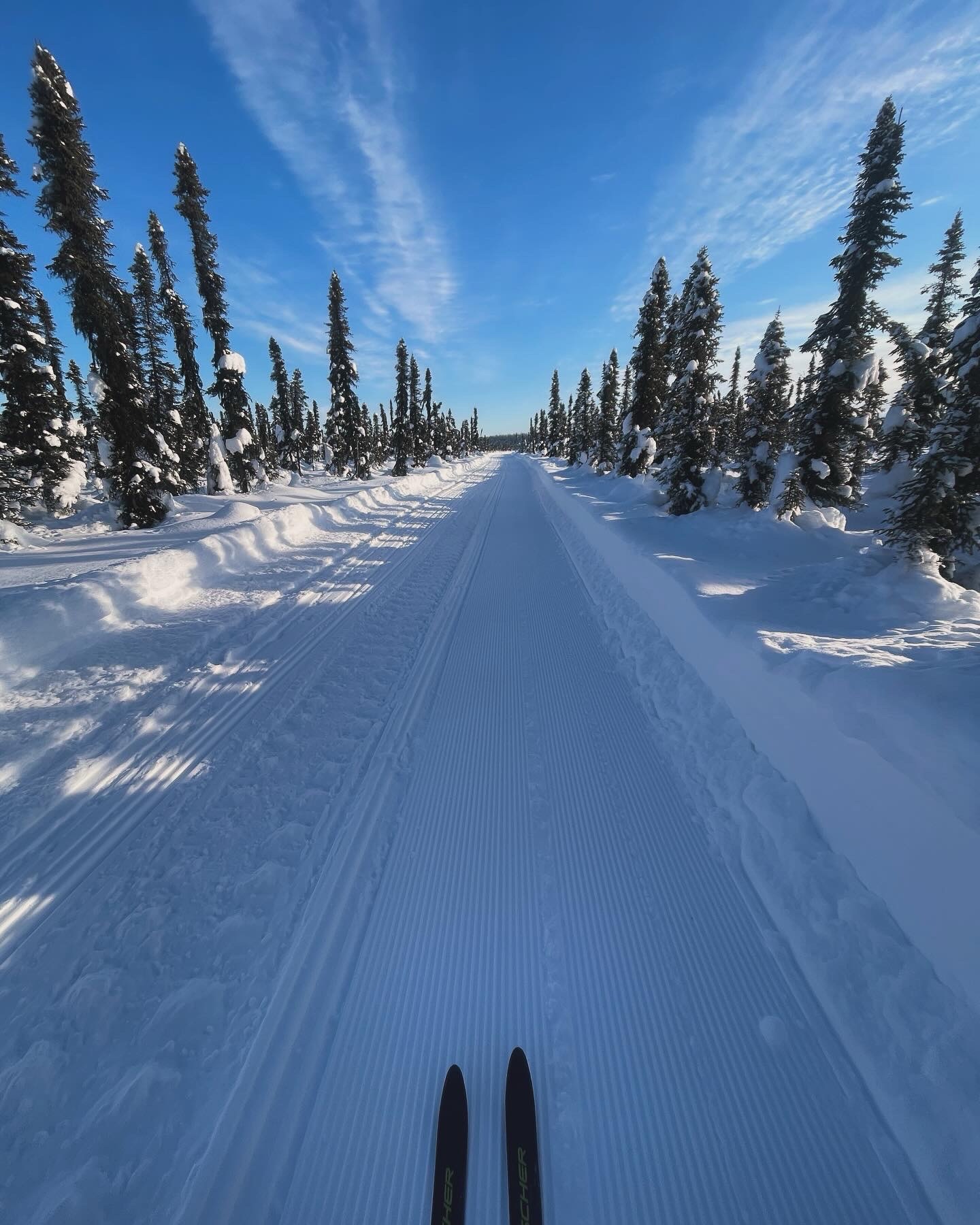
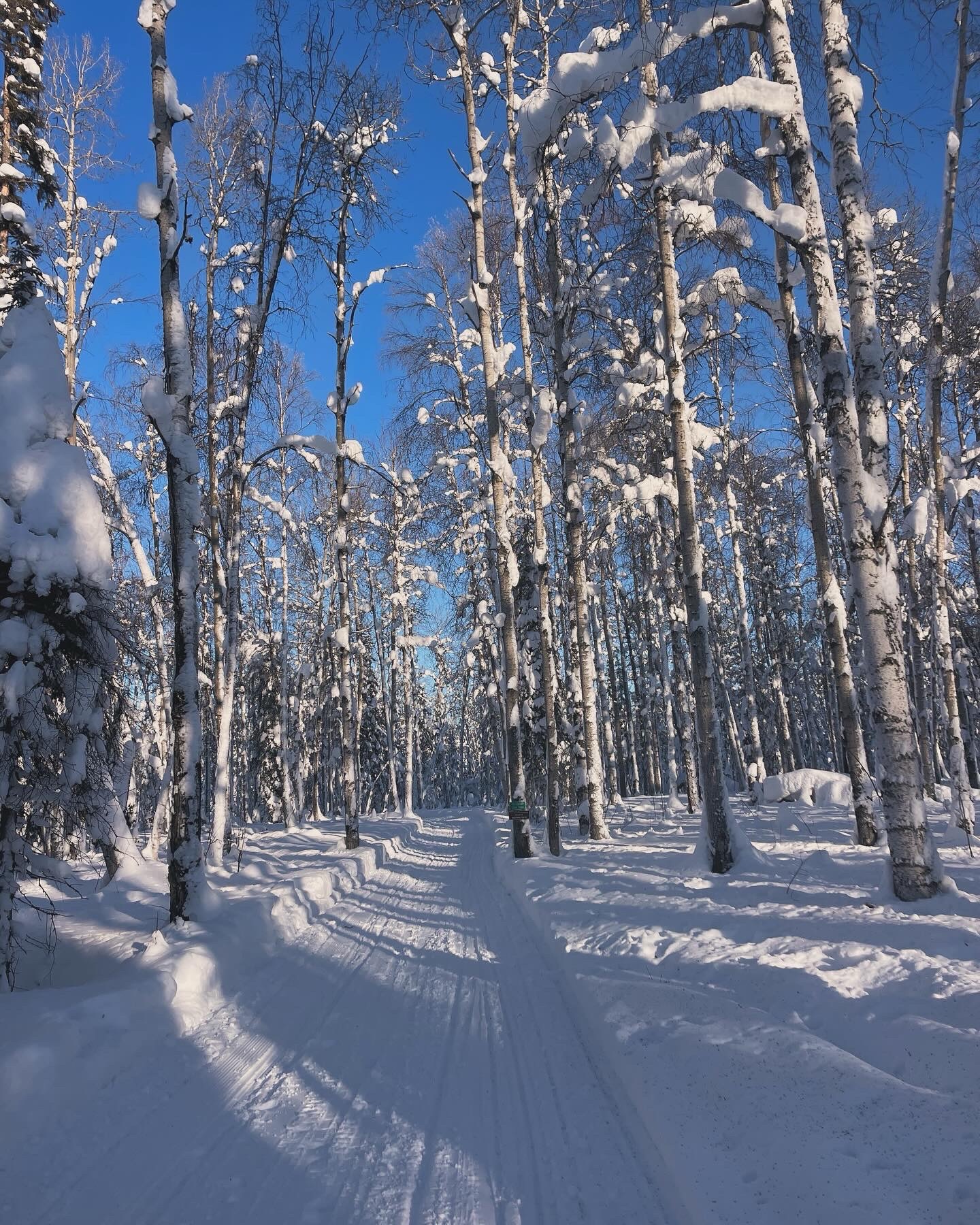
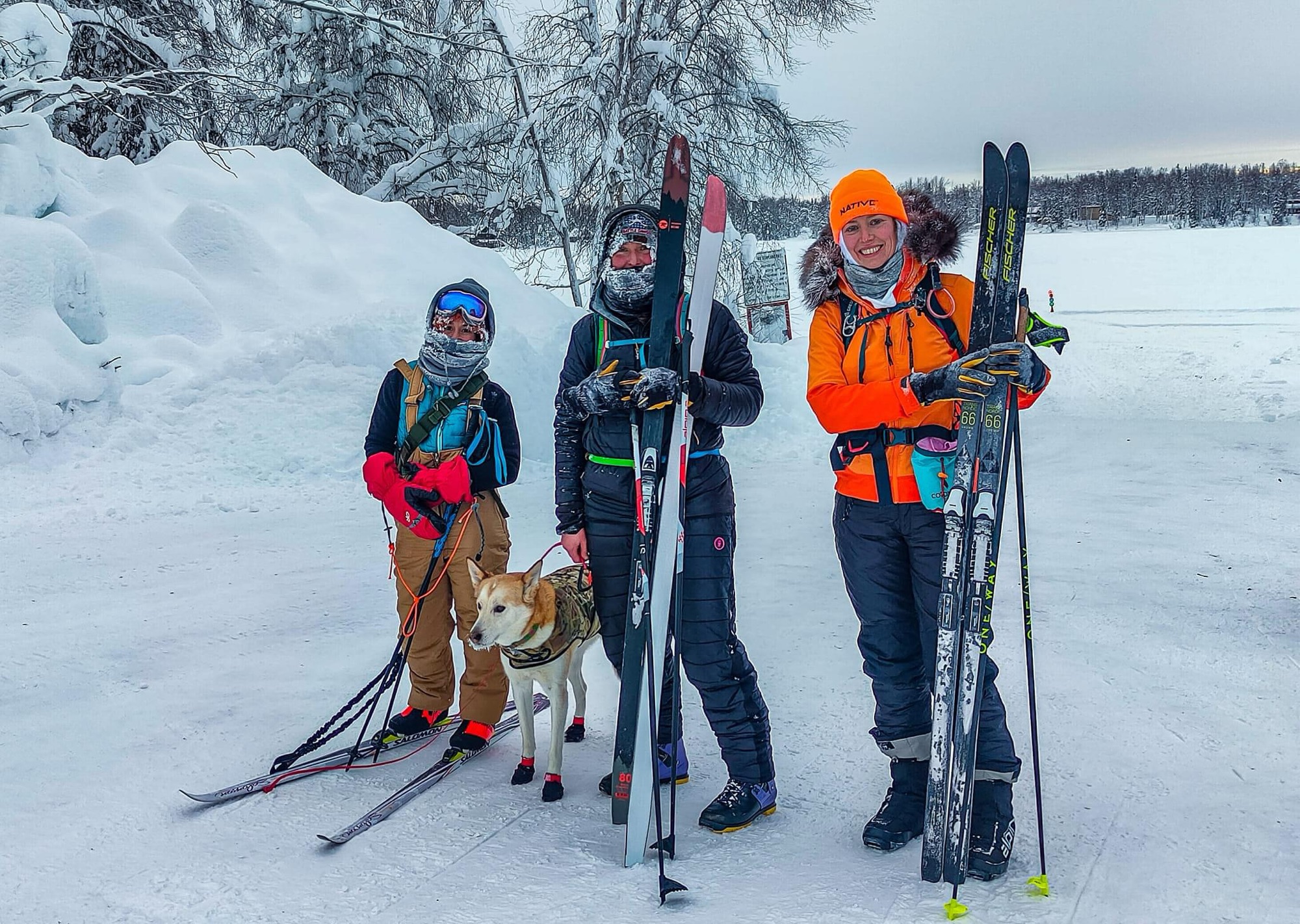

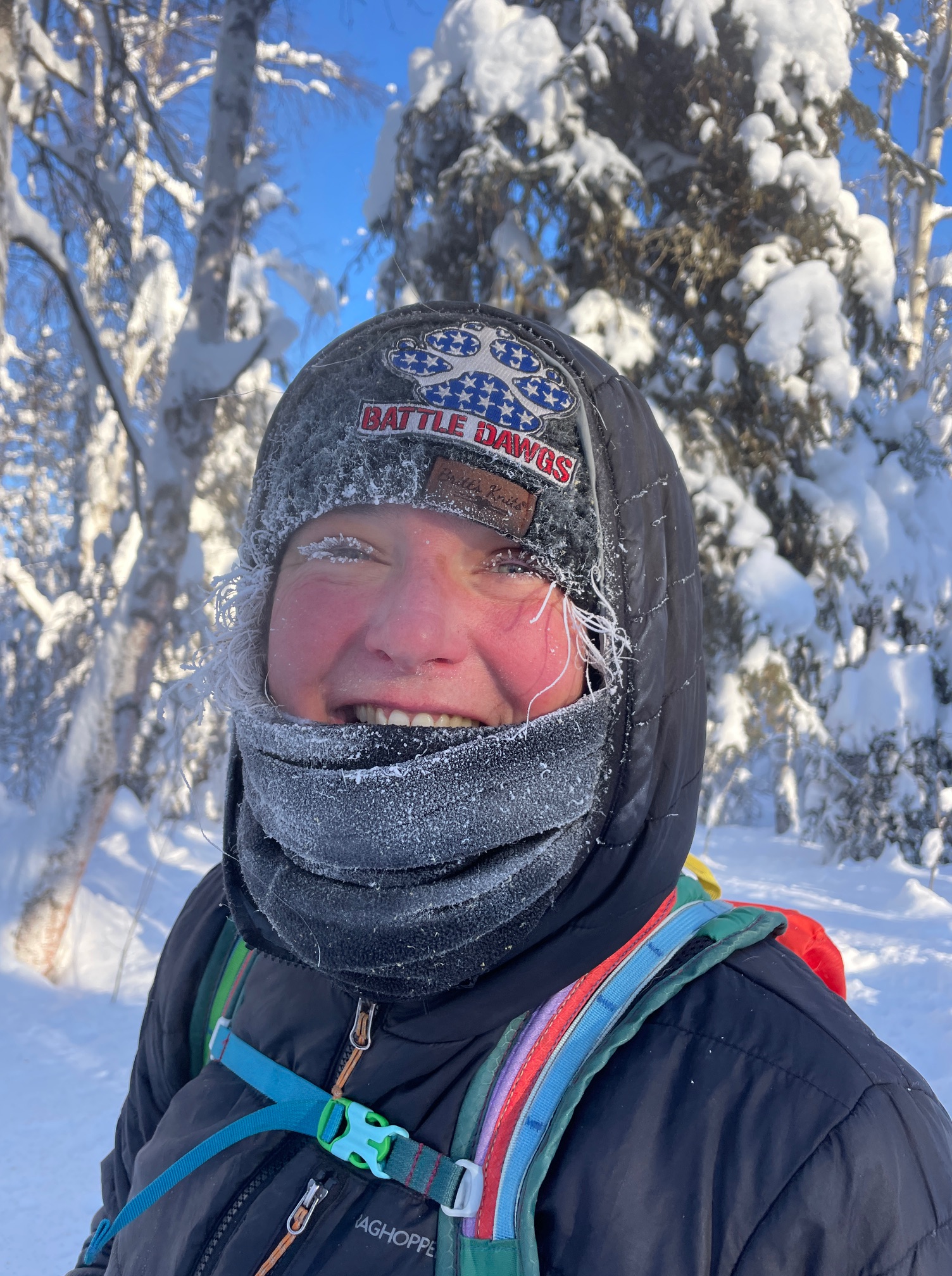
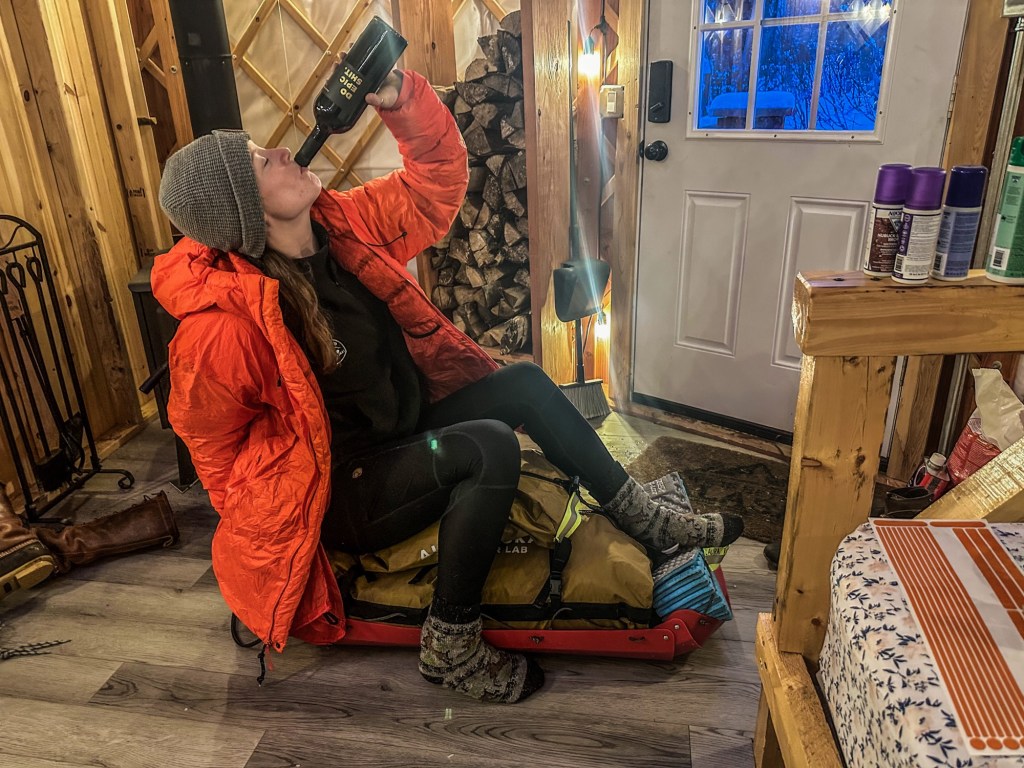
“Work from Yurt” was a great experience—I simply worked 4:30am-1:30pm (east cost time normal hours) and had afternoons, evenings, and weekends free for training, logistics, getting my skis serviced, and cooking on my little hot plate. 3 weeks is fine to live without a shower, hot water, stove, or freezer, if all you’re there to do is ski and prepare to ski. Once I was on the mend from the cold, I got to do an overnight on the trail and camp out near mile 30 of the race-course. I kind of accidentally crashed 2024 ITI camp, which was fun to see Race Director Kyle, Trail Boss Adrian, and our instructors from the previous year, Josh Brown and Troy Szczurkowski (both raced in this year’s ITI).
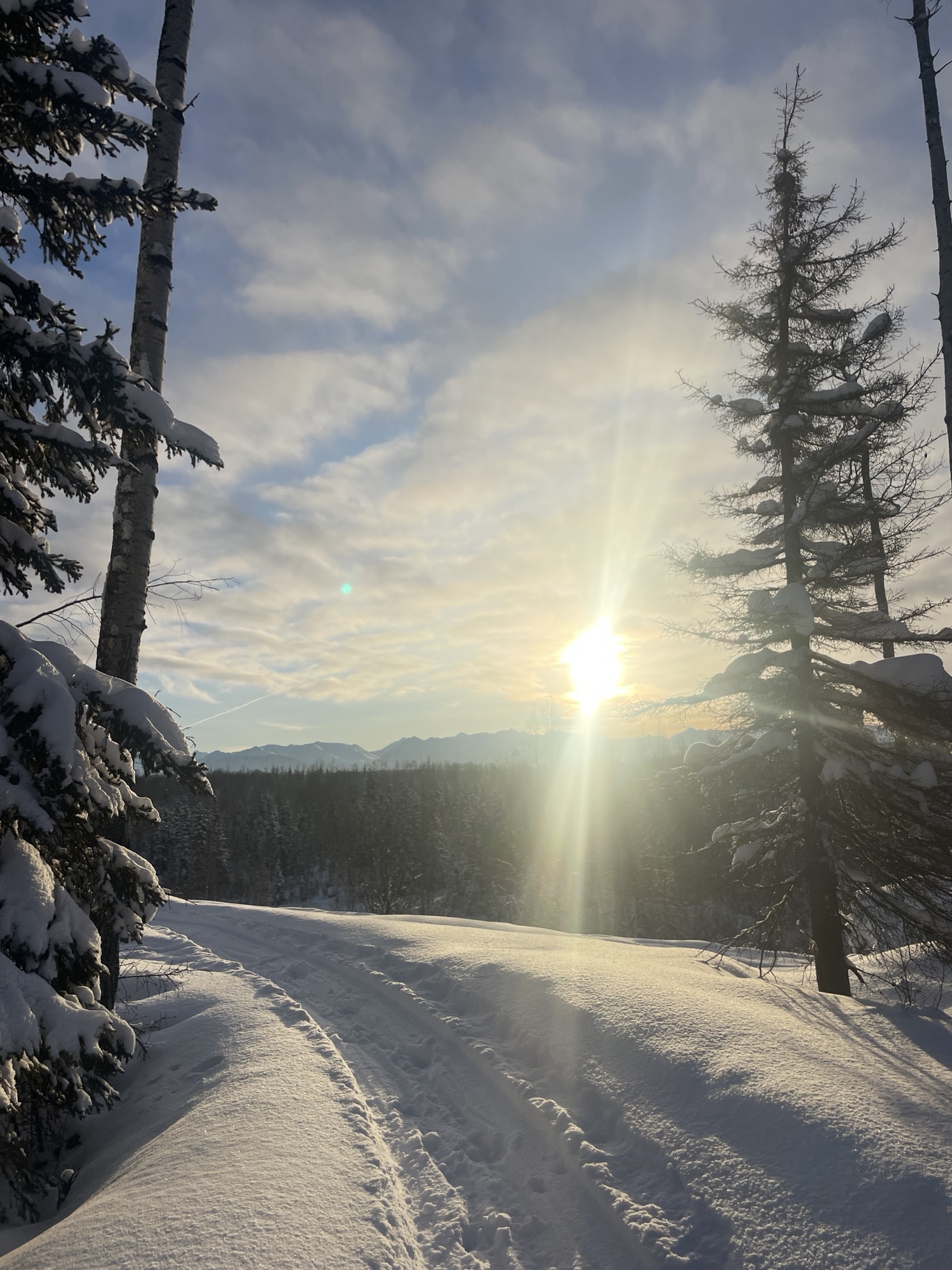
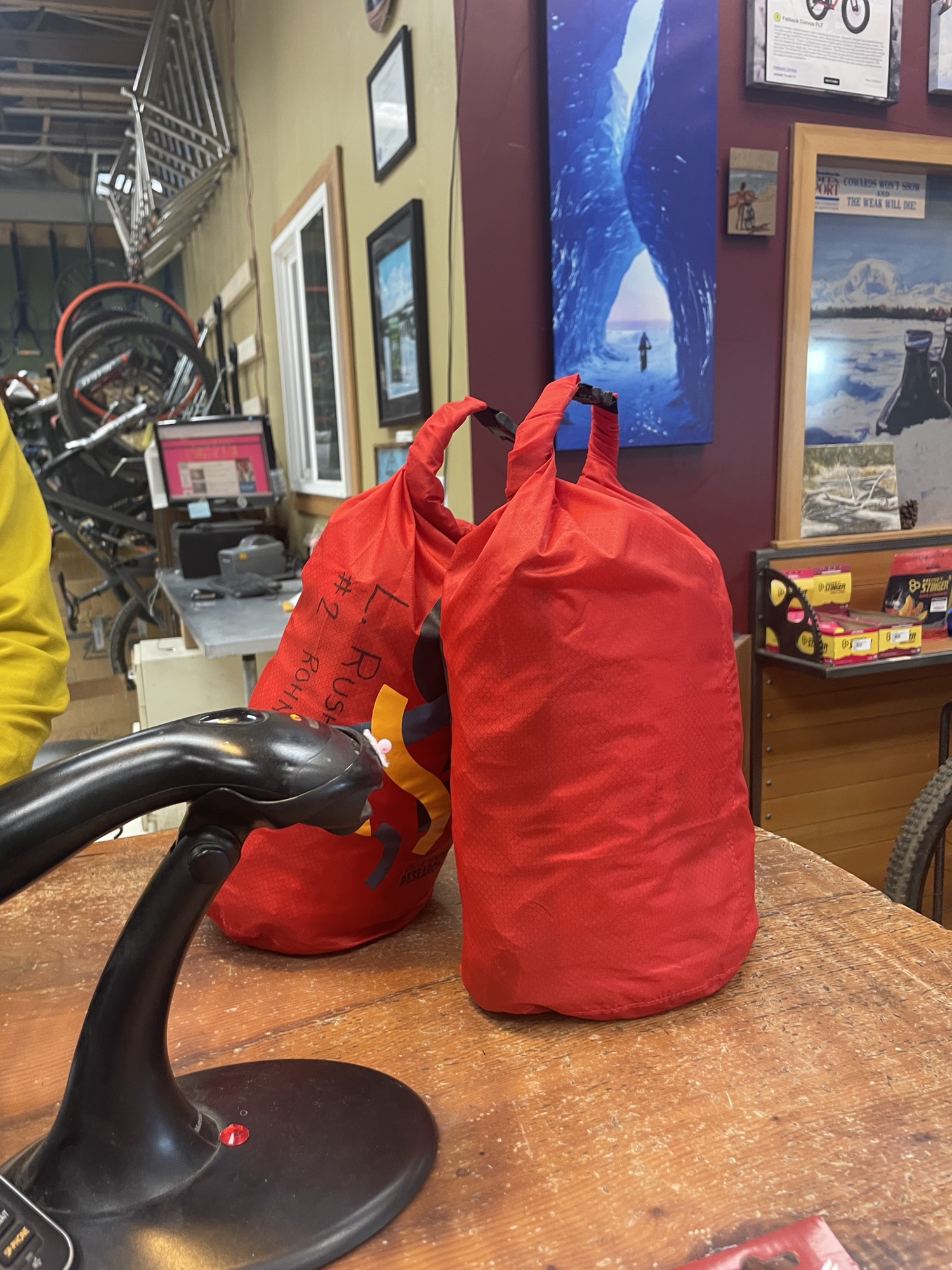
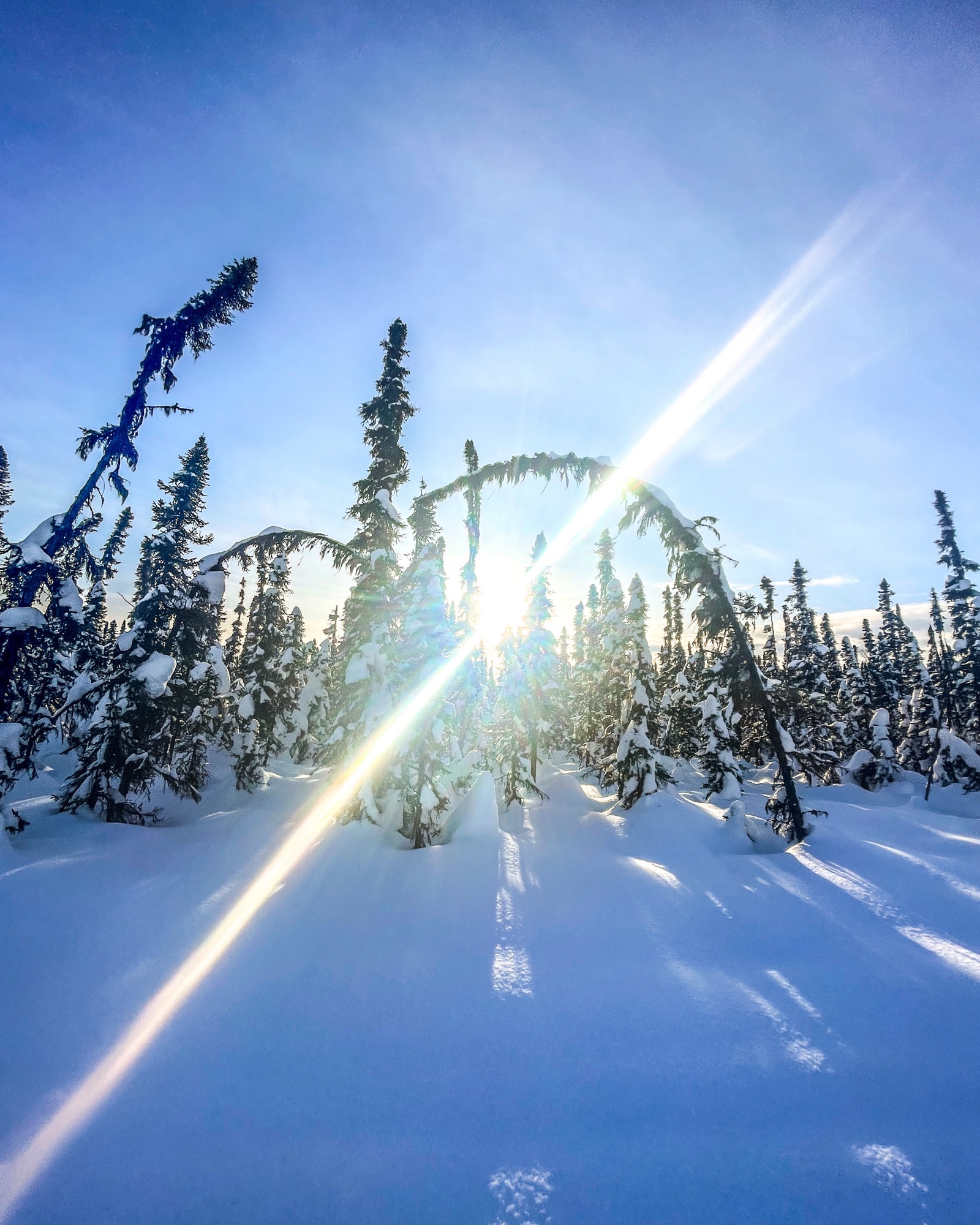
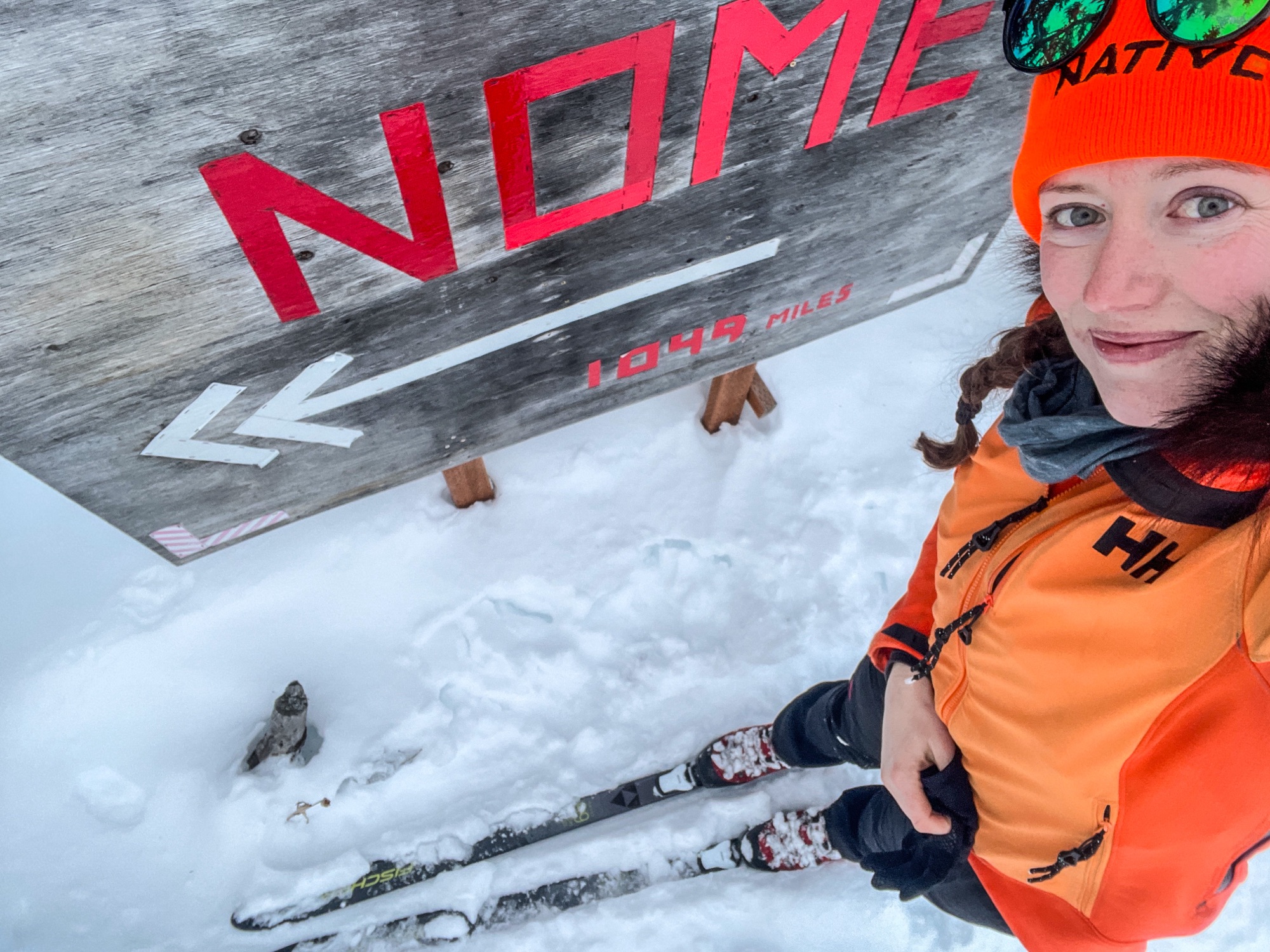

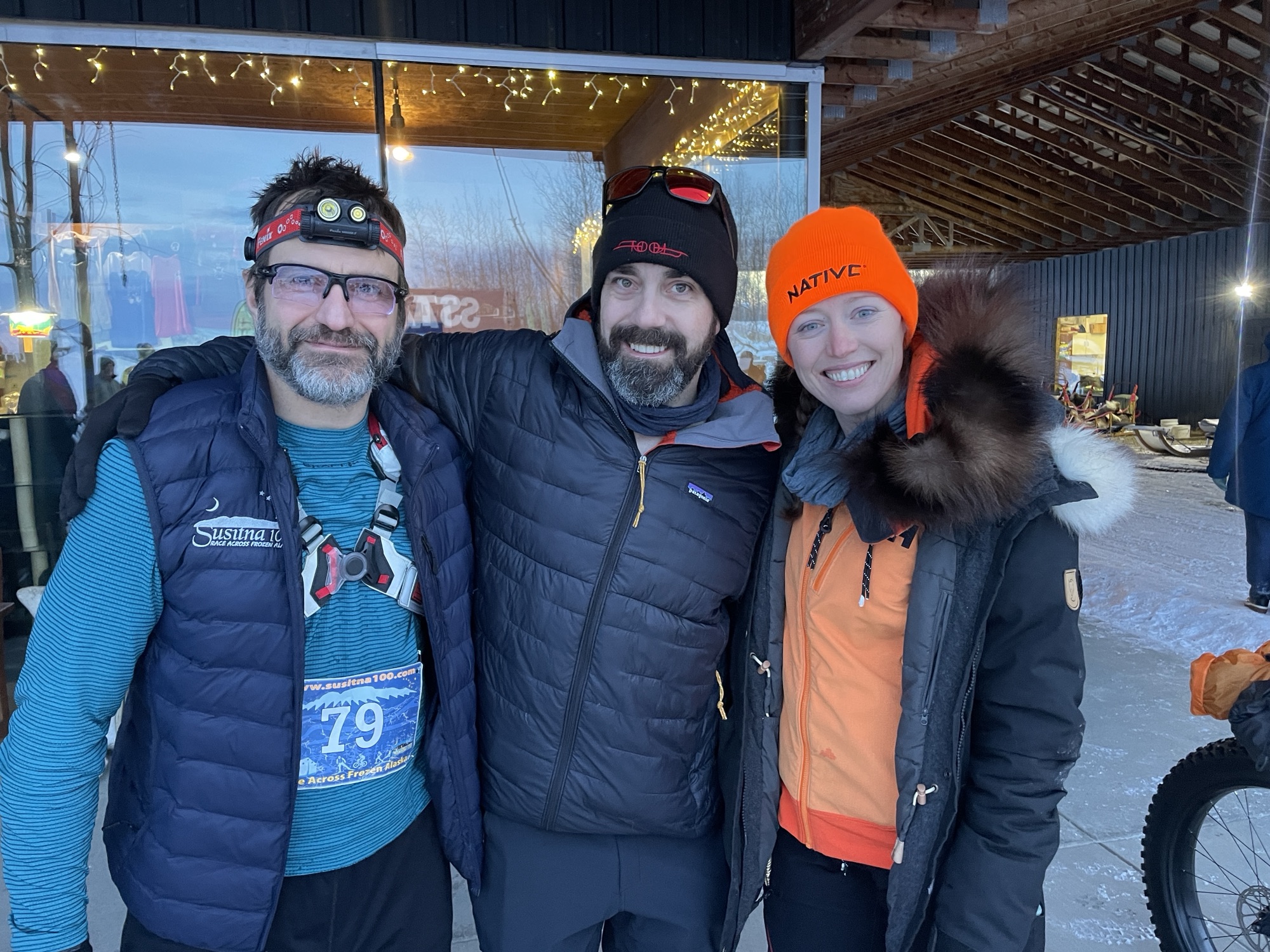
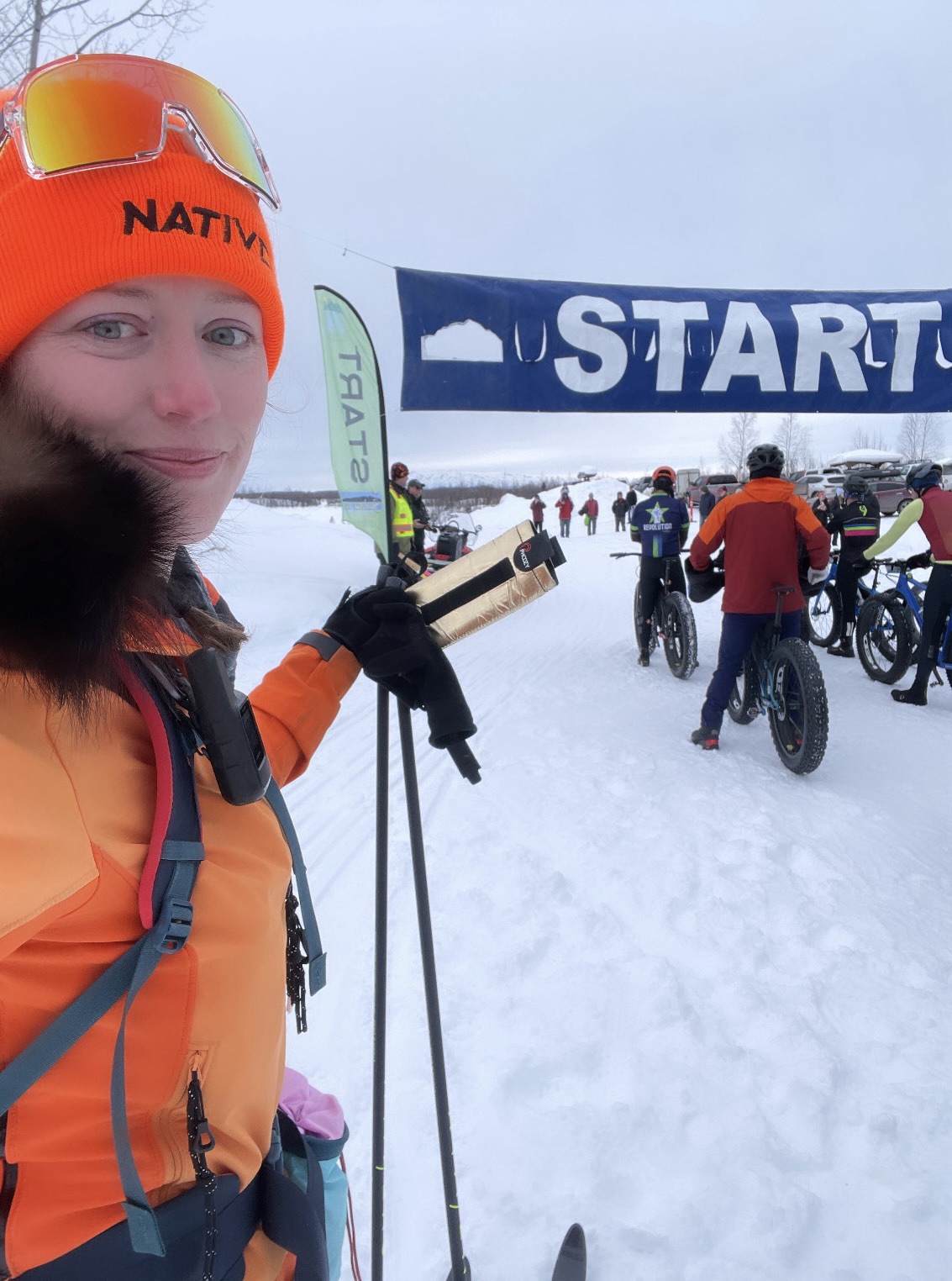
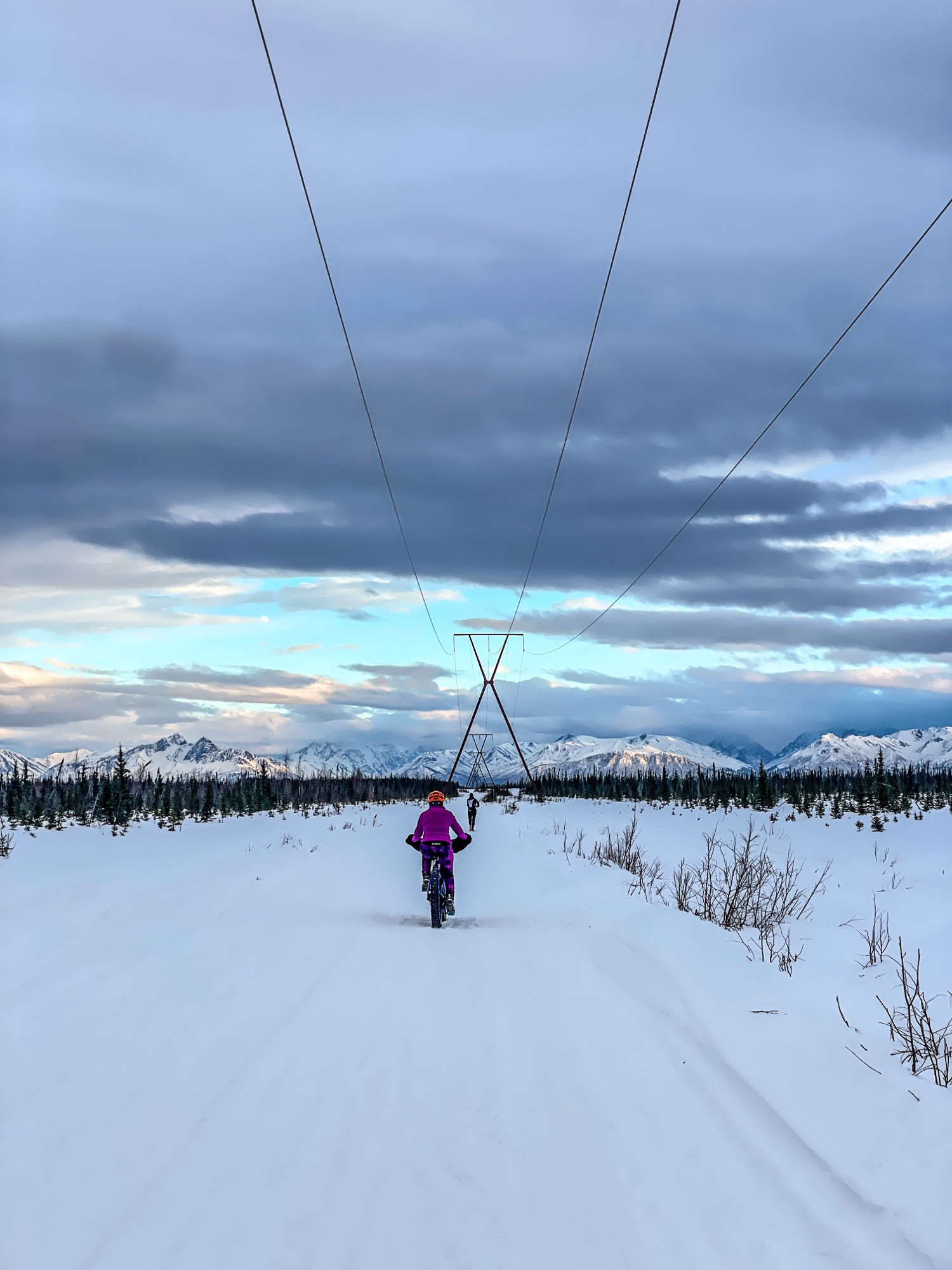
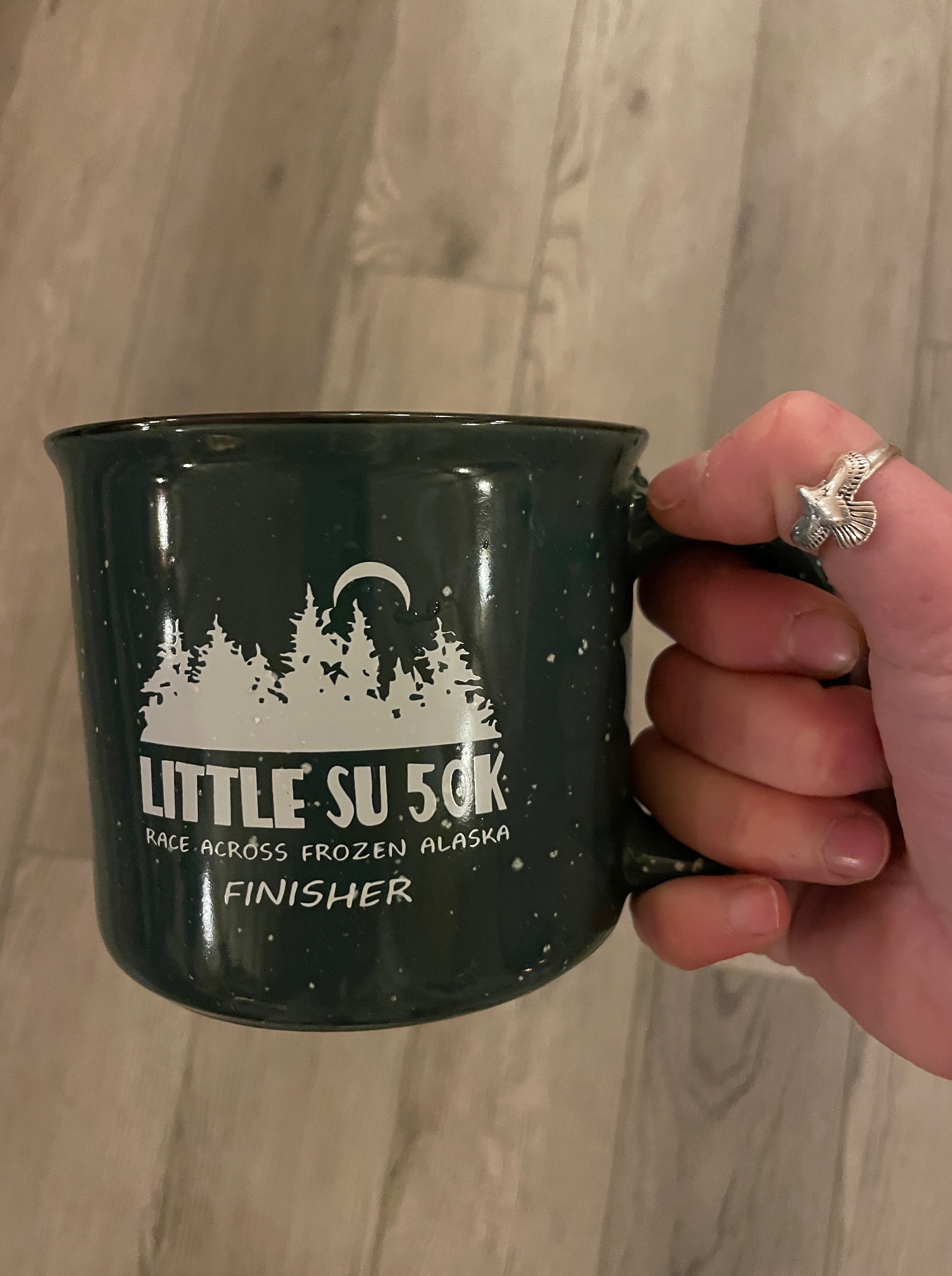
The next weekend, I got to do the Little Su 50K race, the little sibling to the Susitna100 Ultra. Again, good things come to those who plan: I’d signed up 2 minutes after entries opened November 1 to secure my race bib, knowing I’d want to treat it as a 7-days-out shake-out ski. I didn’t pull my sled, so as not to tire myself out close to big raceday start. My goal was to ski a consistent pace for the duration of the 30 miles. My first hour I skied at a rate of 3.8mph, the first 4 hours my rate was 3.7mph, and over the whole 50k, my moving average rate was 3.68mph, which I was very pleased with. I finished after dark and got to hang out in the Happy Trails Kennel welcome building, eating a baked potato while Martin Buser talked to me about the Iditarod Trail and my Wolverine Ruff. #winning.

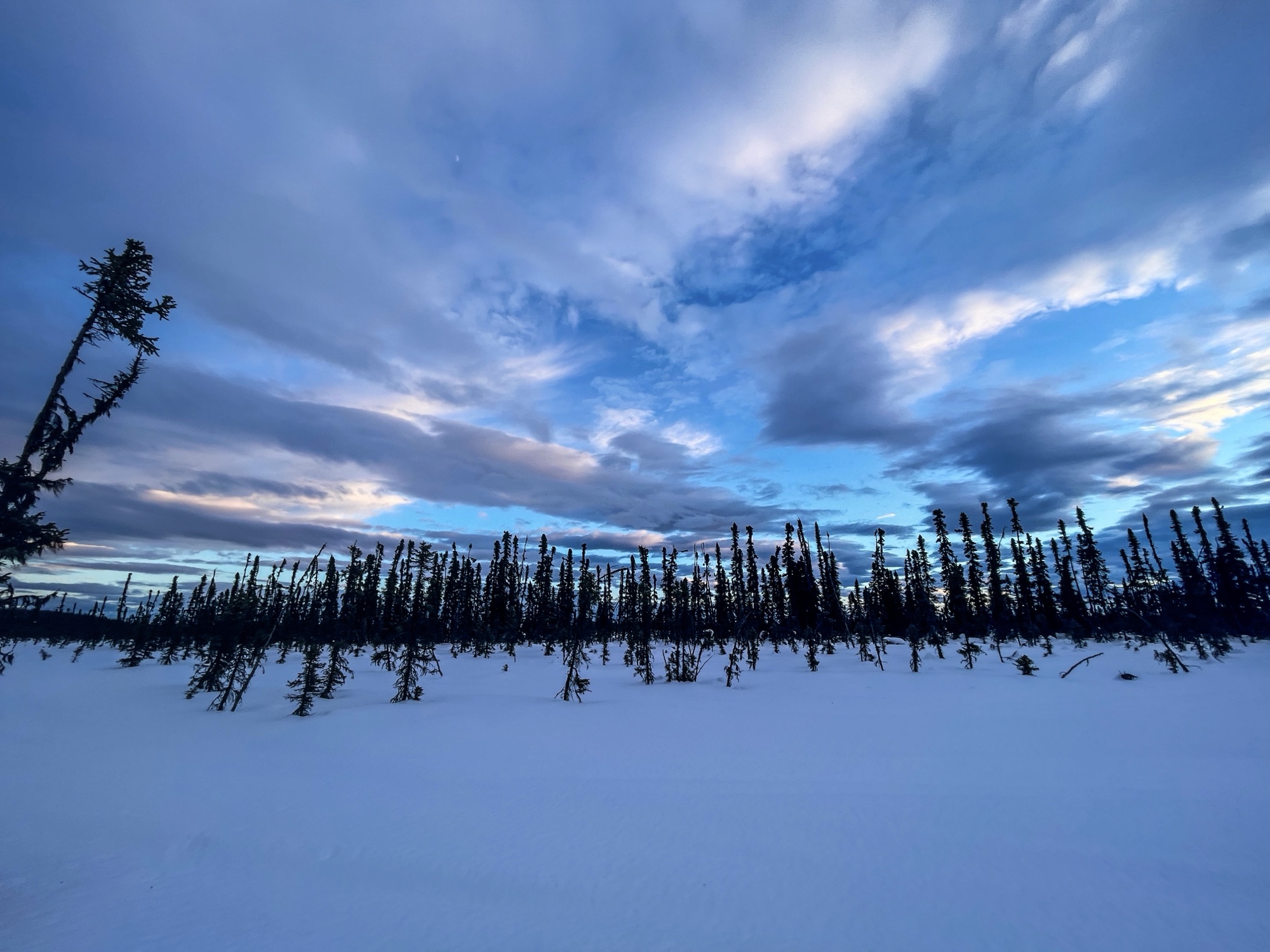
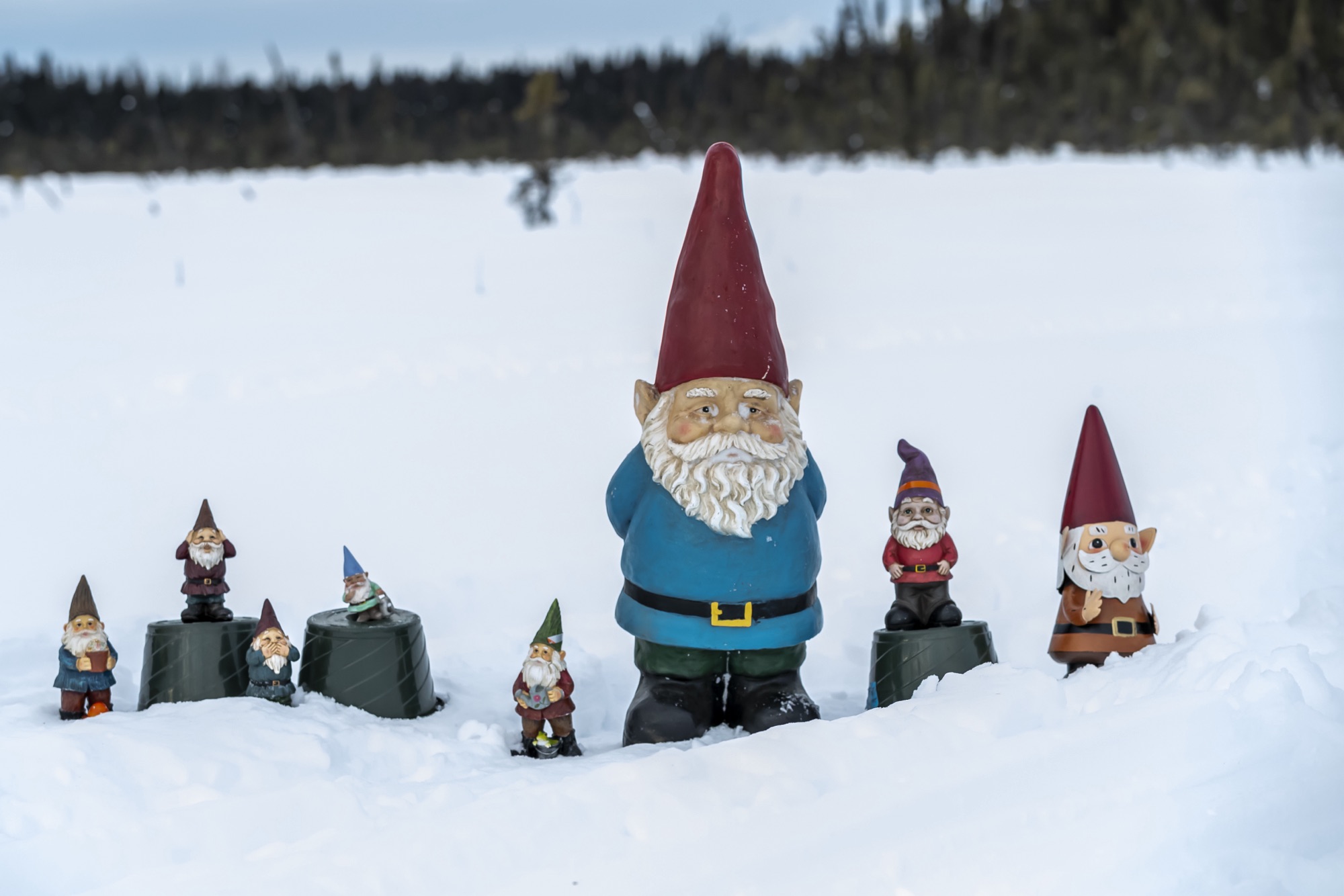
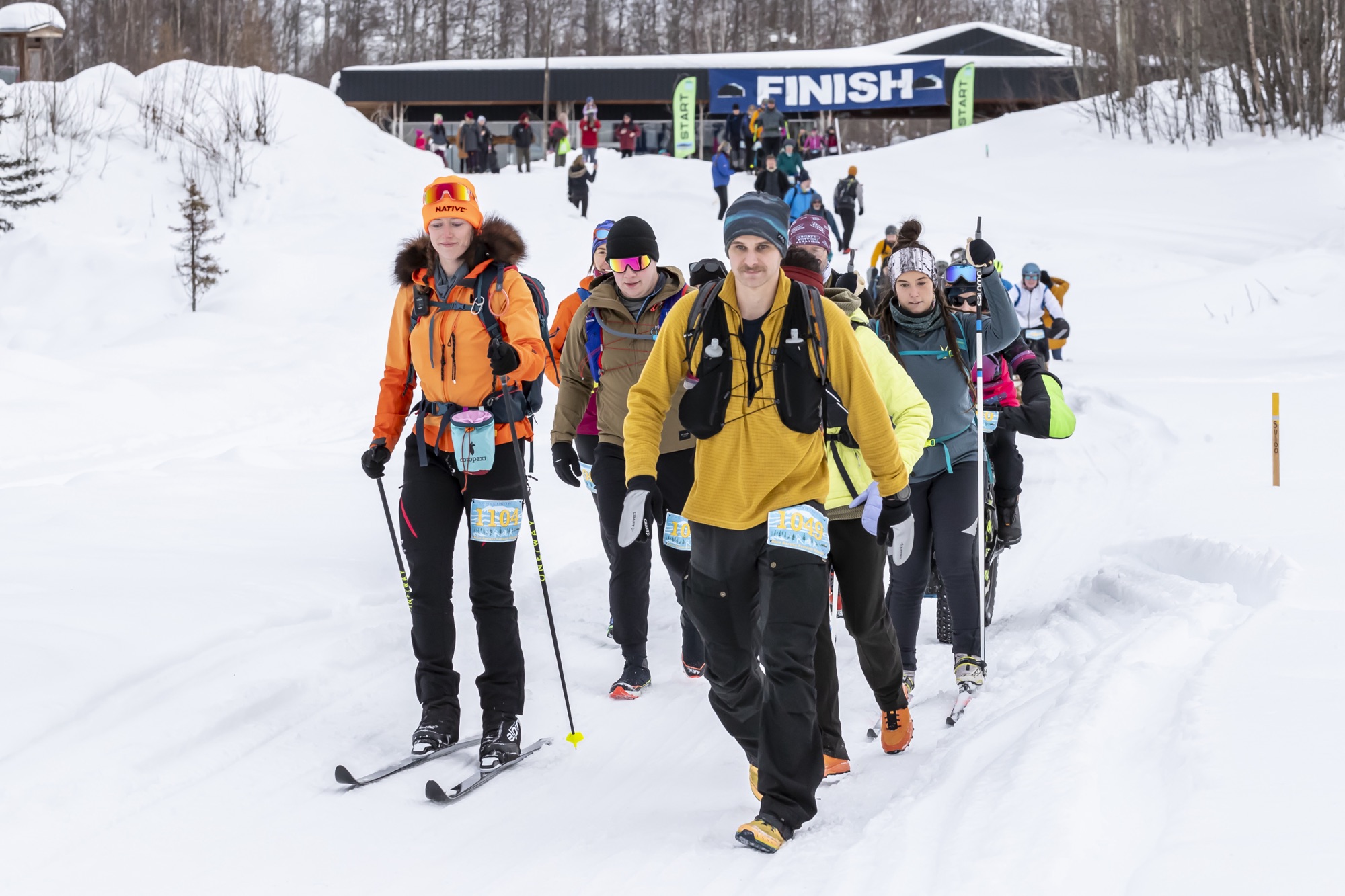

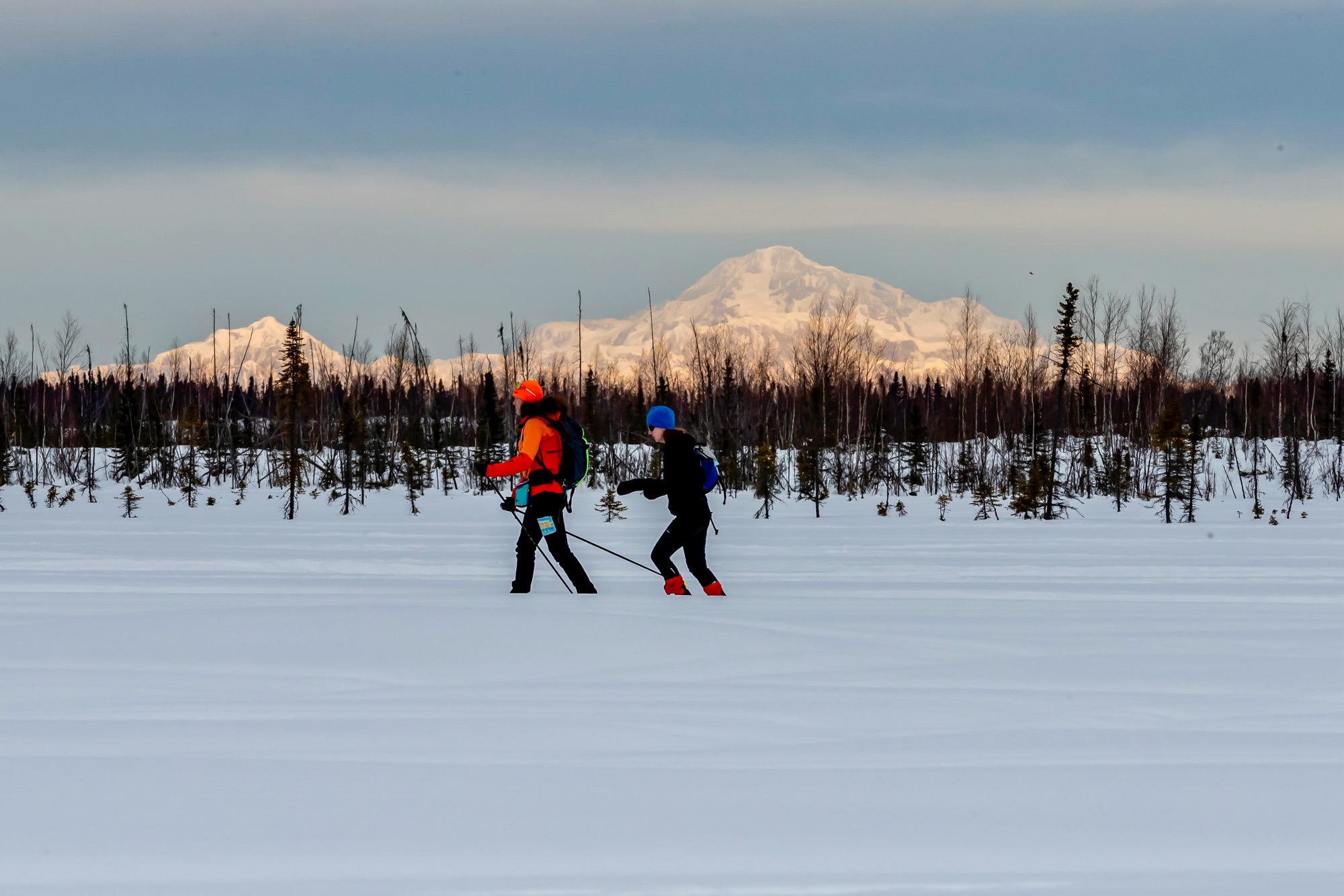
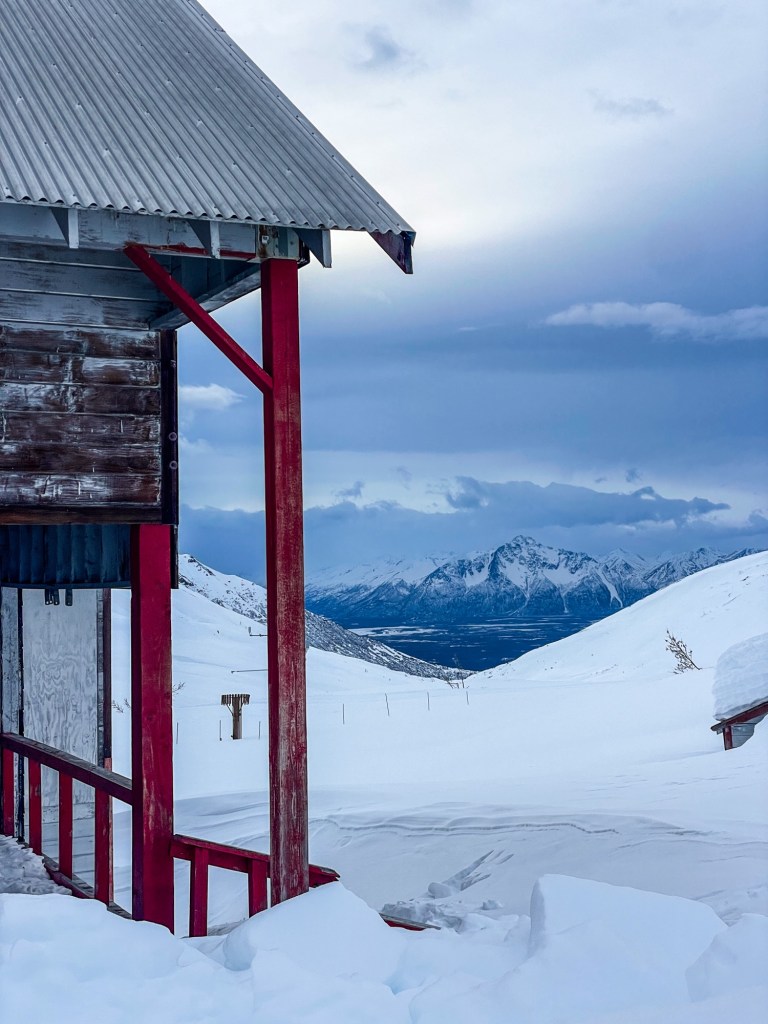
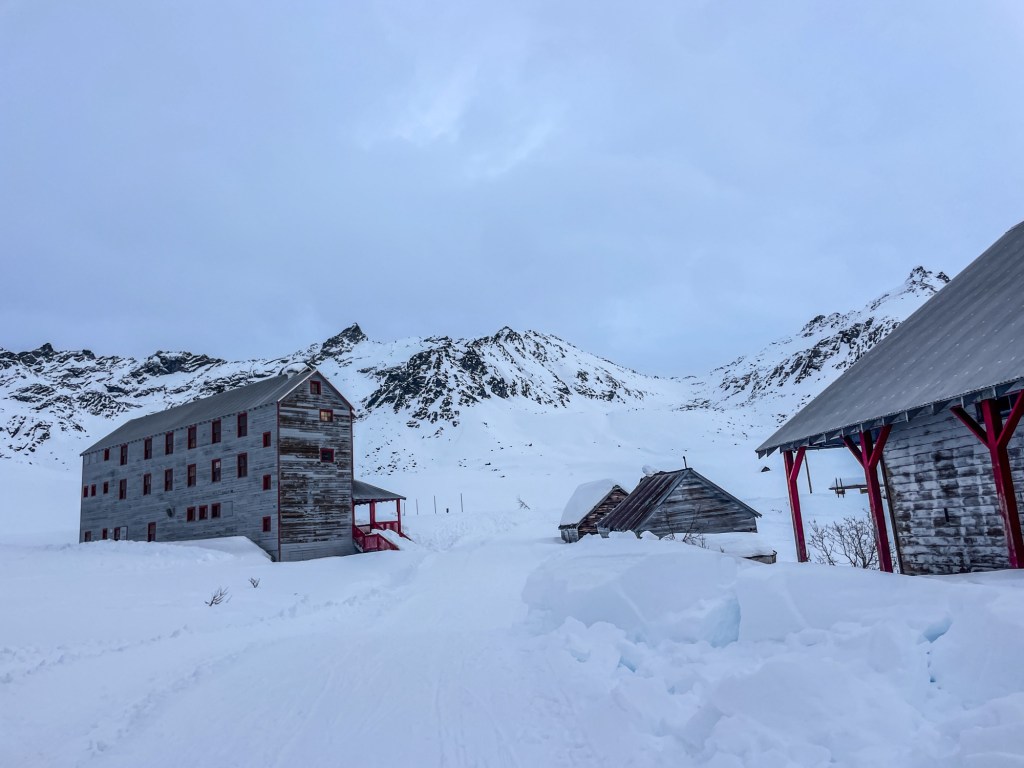
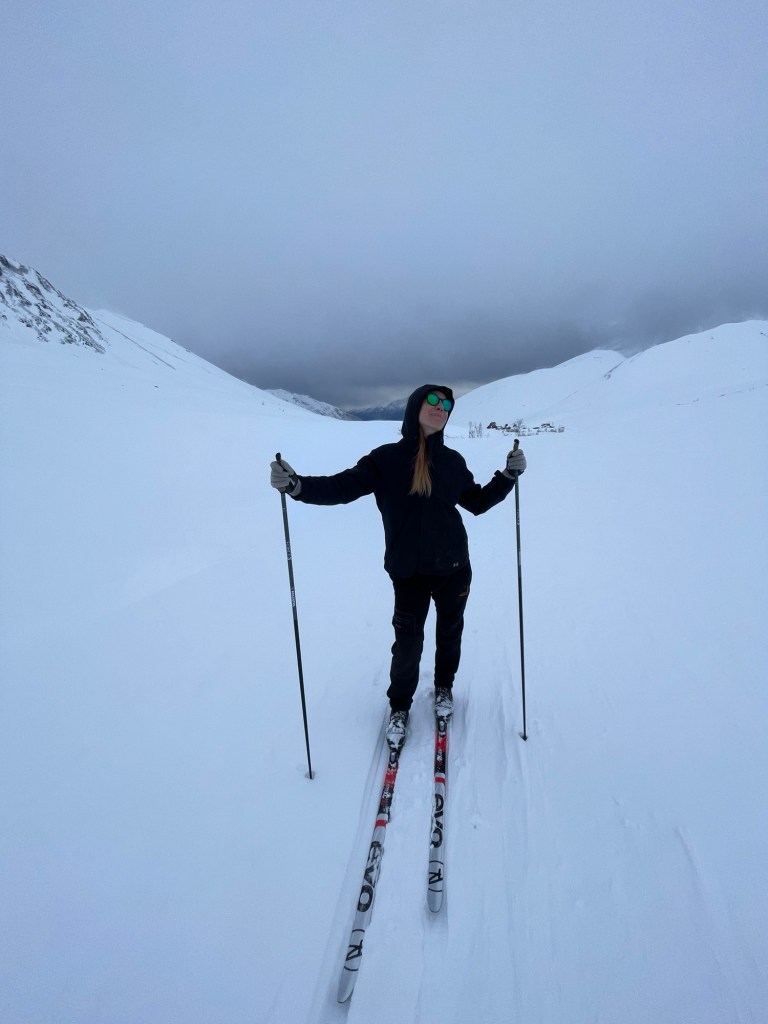
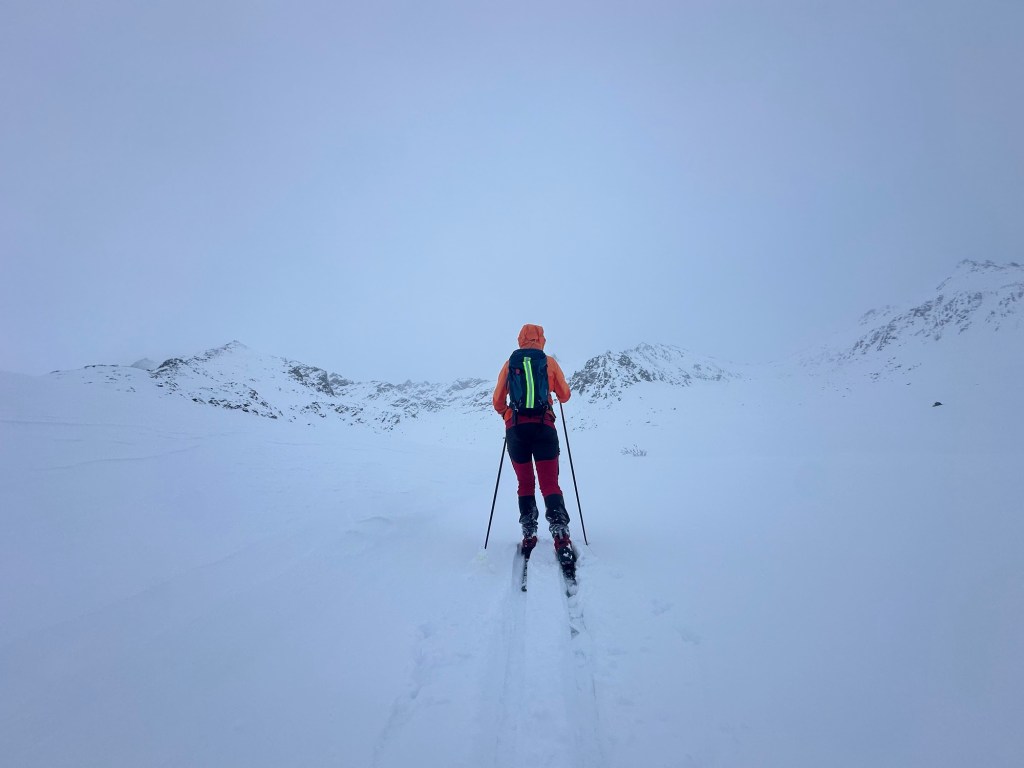
A couple days before the race, my little sister Michele got in as my official cheering squad/pit crew. I took her to see a couple of pretty spots I like to ski, including the Independence Mine at Hatcher Pass and skiing in Anchorage’s Kincaid Park. Some fun and silliness was also had.
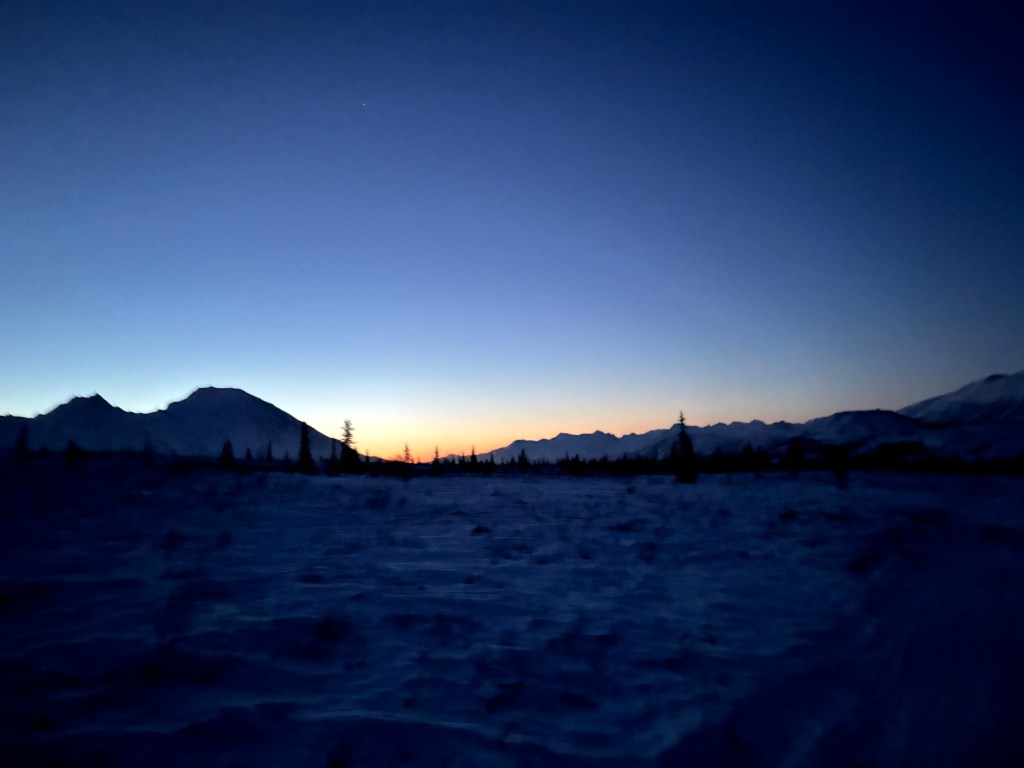
Her reason for coming was to see me off, but she had two very concrete goals of her own: See a moose in real life, and see the northern lights. We got the moose thing checked off on morning 2. And those elusive northern lights? Michele has gone on many trips, around the world over many years, trying to see the Northern Lights She rented a camper van and drove around Northern Norway for a week. She’s been to Iceland in January Never had any luck. But the last night she was at the yurt, 12 hours after the race starts?
And with that…I was ready to do epic shit. Onward to the start!


 The TypeTwoFun Club
Leave a reply to Iditarod Trail Invitational (ITI) 2025 | On Not Racing – The TypeTwoFun Club Cancel reply