“Wow wow wow! I aspire to do things like this. You’re doing them. Very cool.”
– important client™️
Im sitting here on a plane to Alaska. This flight, and entire next week, occupy the liminal space between preparing for something and actually DOING the thing. This something, the thing, is ski the 2026 Iditarod Trail Invitational 350. I am using this ‘captive author’ opportunity to collect my thoughts about the preparation process. It’s a long flight; this is a long post. How’d we do? Am I ready? I sure hope so!

Looking back, this core training season breaks down into three distinct phases for me. I’ll share how I tackled each one, and some overall thoughts.
Phase 1: “Pre Season”
Phase one of prep falls between Thanksgiving and the New Year, with Jan 1-3 grandfathered in before the work-year kicked off. This was almost bonus time—as I mentioned in another post, some years I can’t get on skis until January. This year, we were already doing overnight campouts on our favorite snowmobile networks and skiing miles on freshly-groomed, all-natural corduroy.
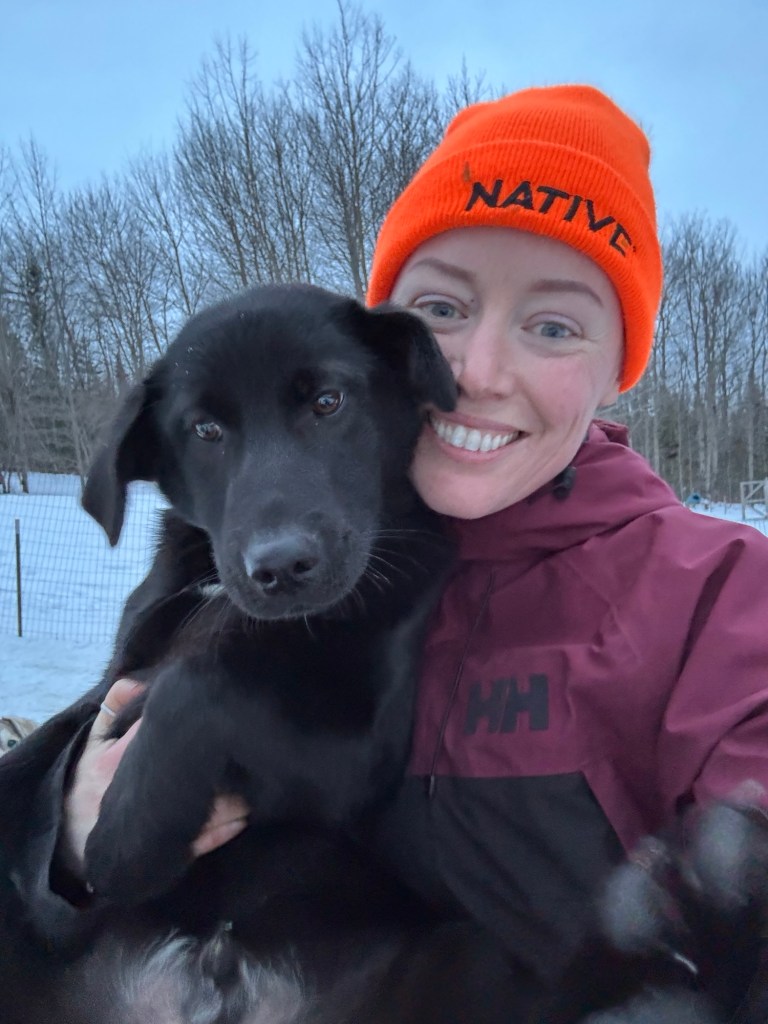
The first weekend in December we camped out on the sled dog kennel trail network up in the Mahoosucs. The trunk trail was still open to vehicular traffic and we were literally skiing past moose hunters in their pickup trucks—a very rural Maine experience. As ever, the other trail users were completely befuddled by our existence but very courteous.
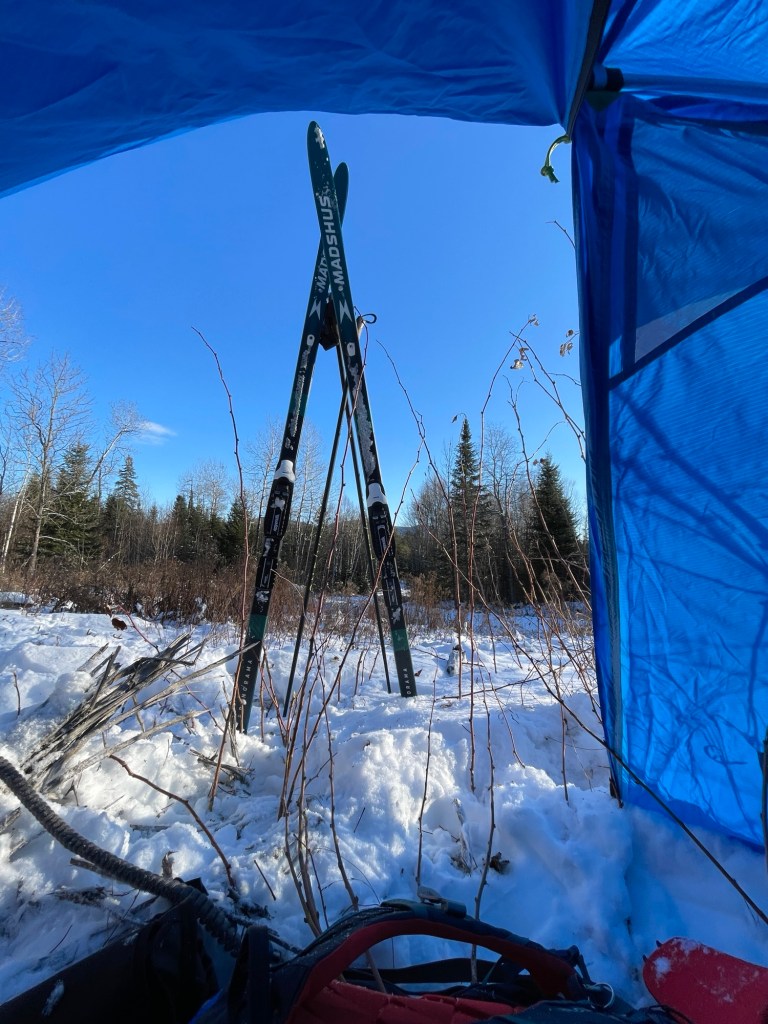
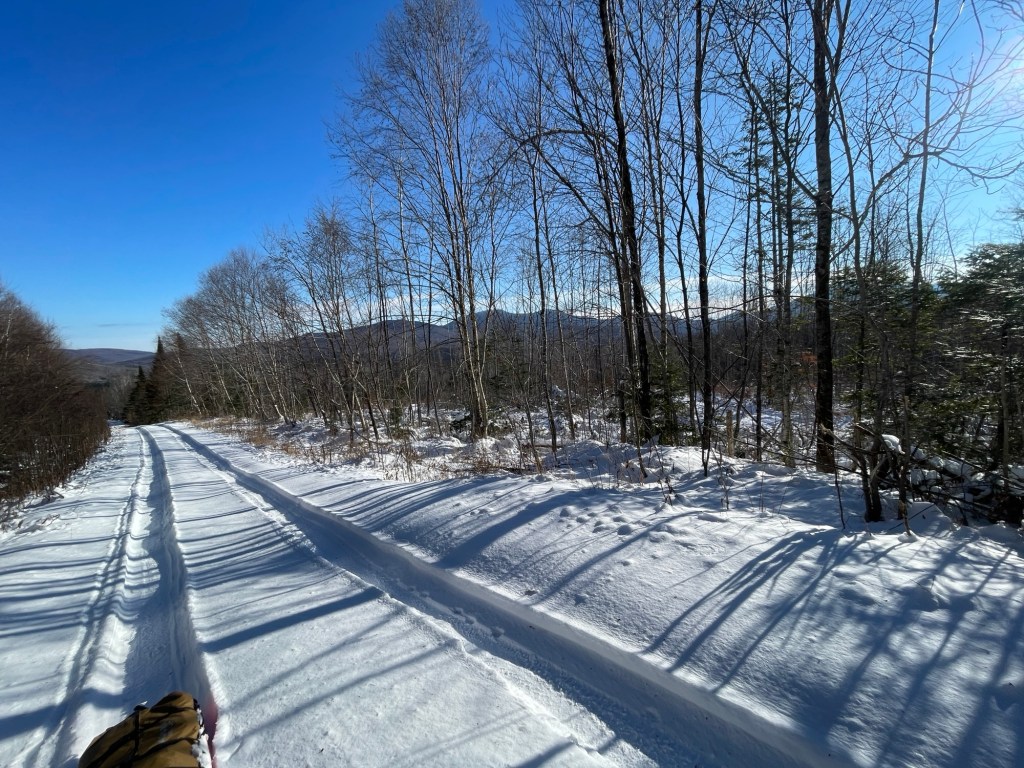
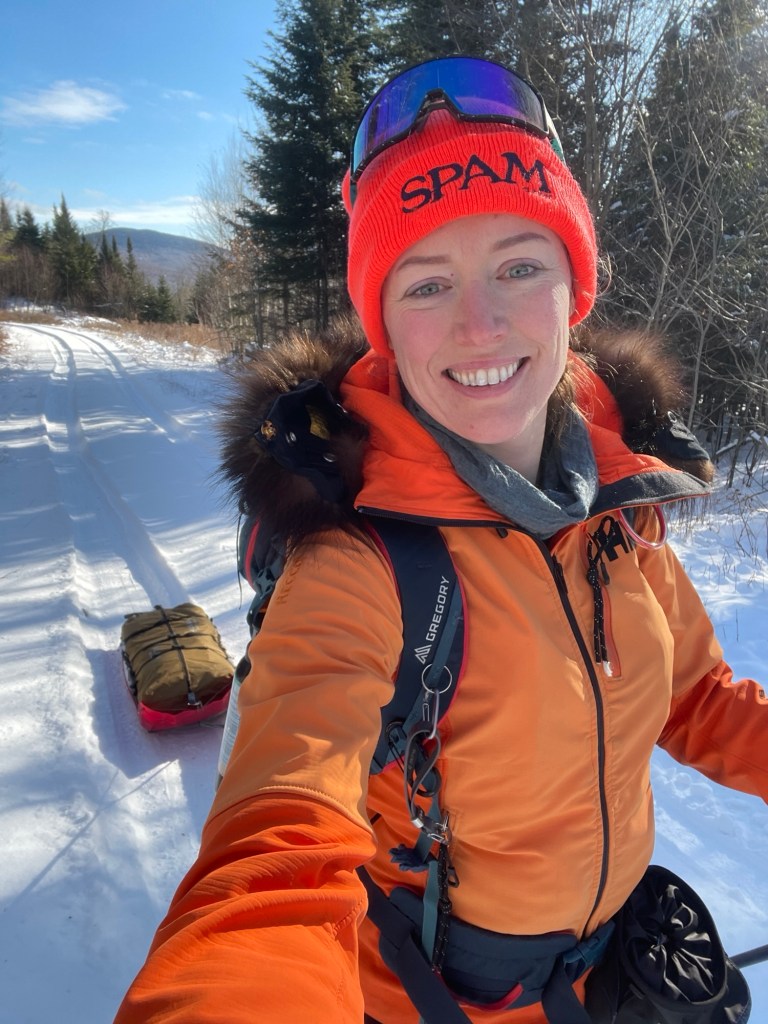
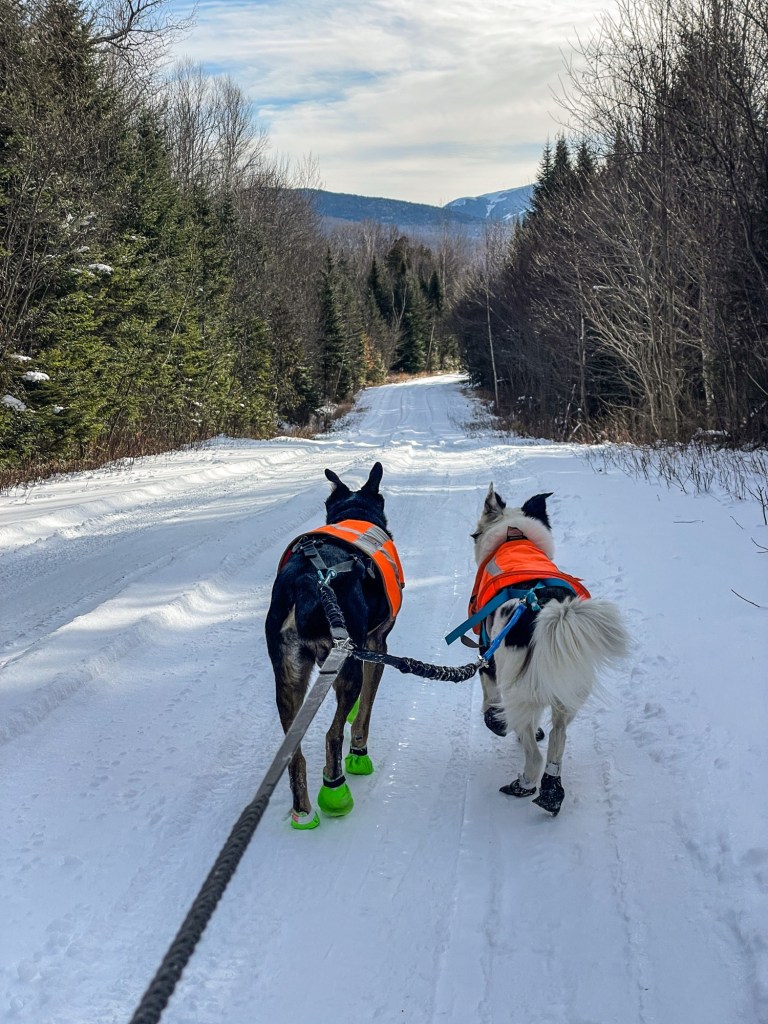
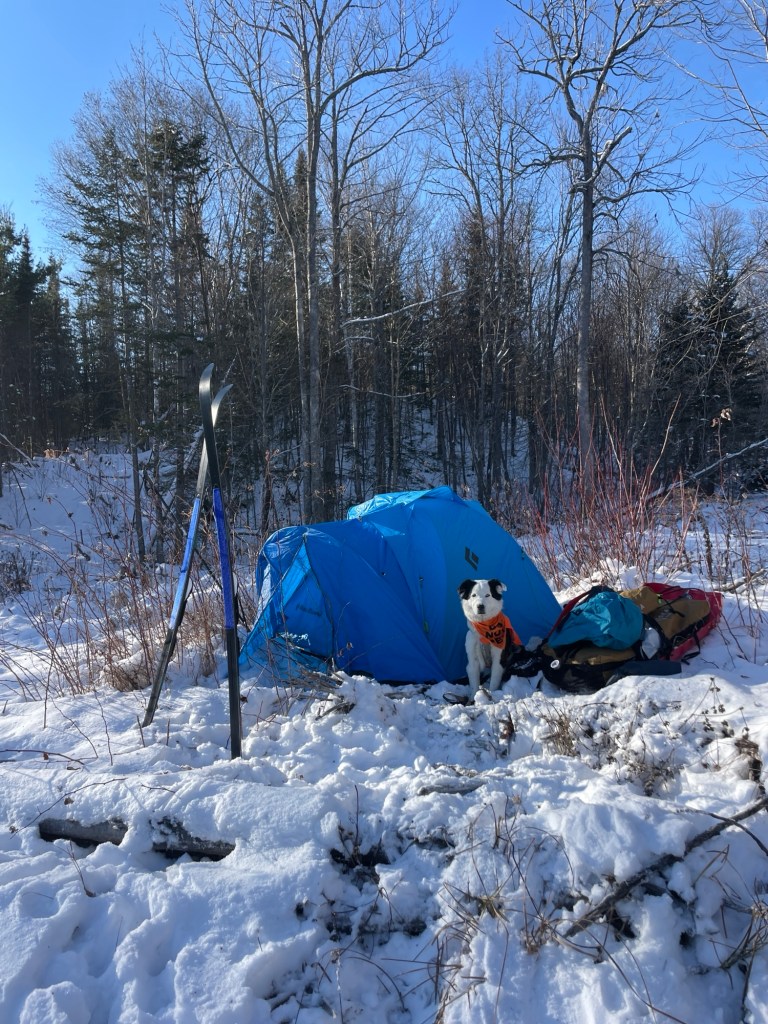
There were a couple of weekend day trips throughout December, and a quickie overnight up to use a friend’s vacant Vermont Cabin.
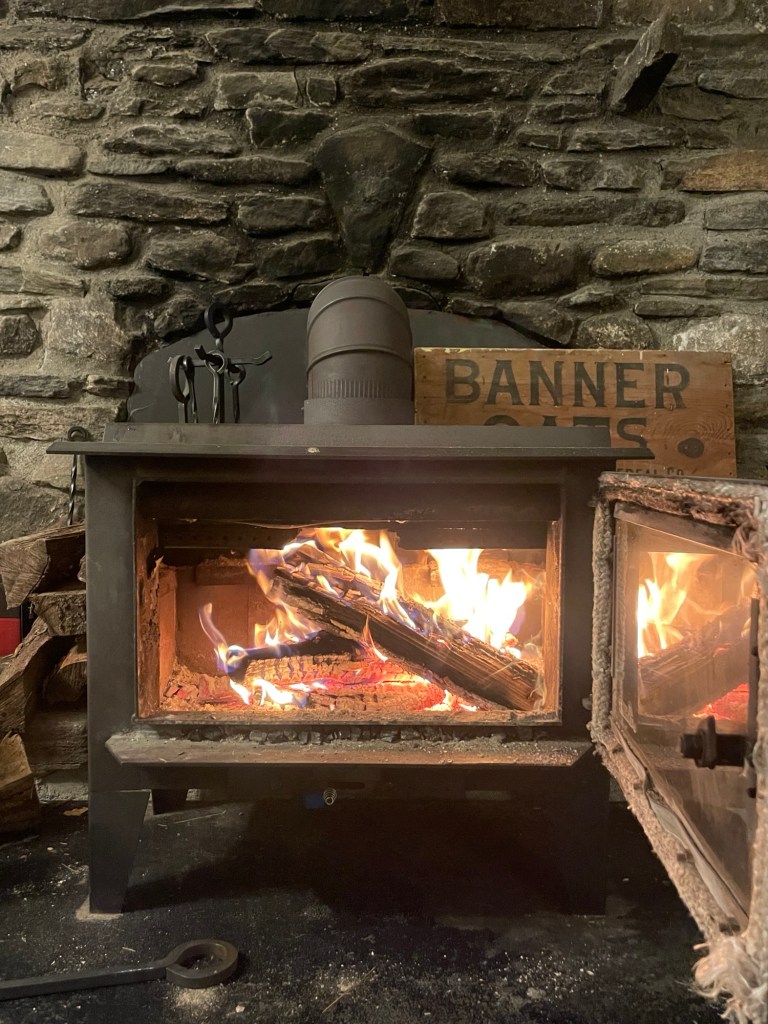
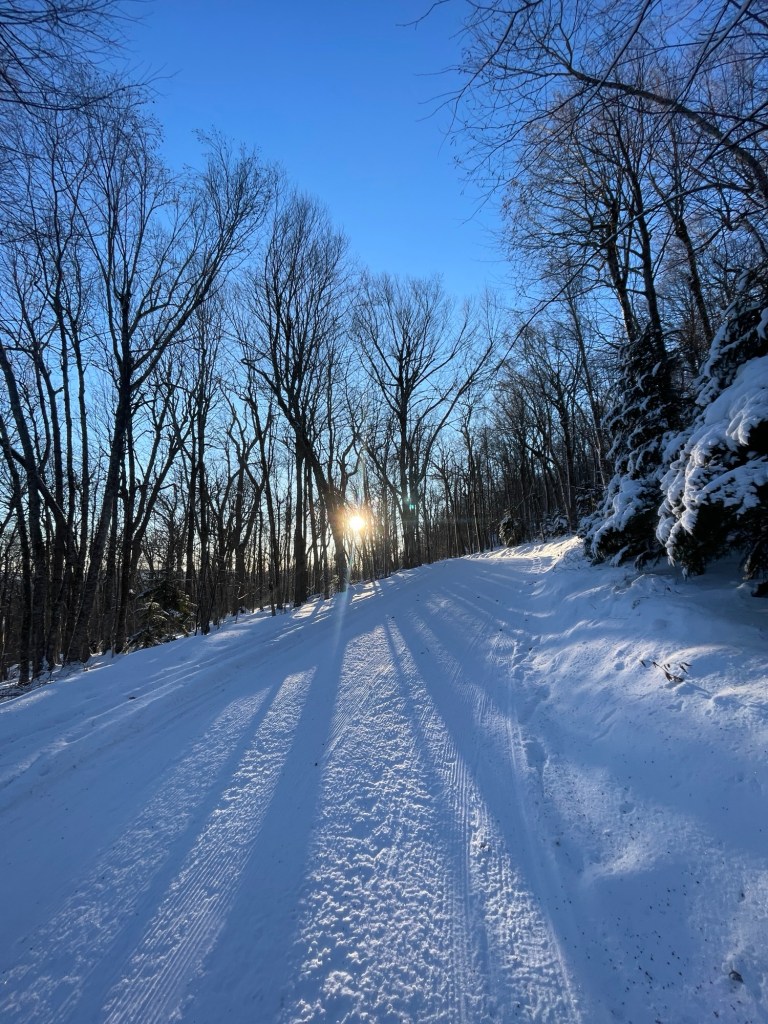
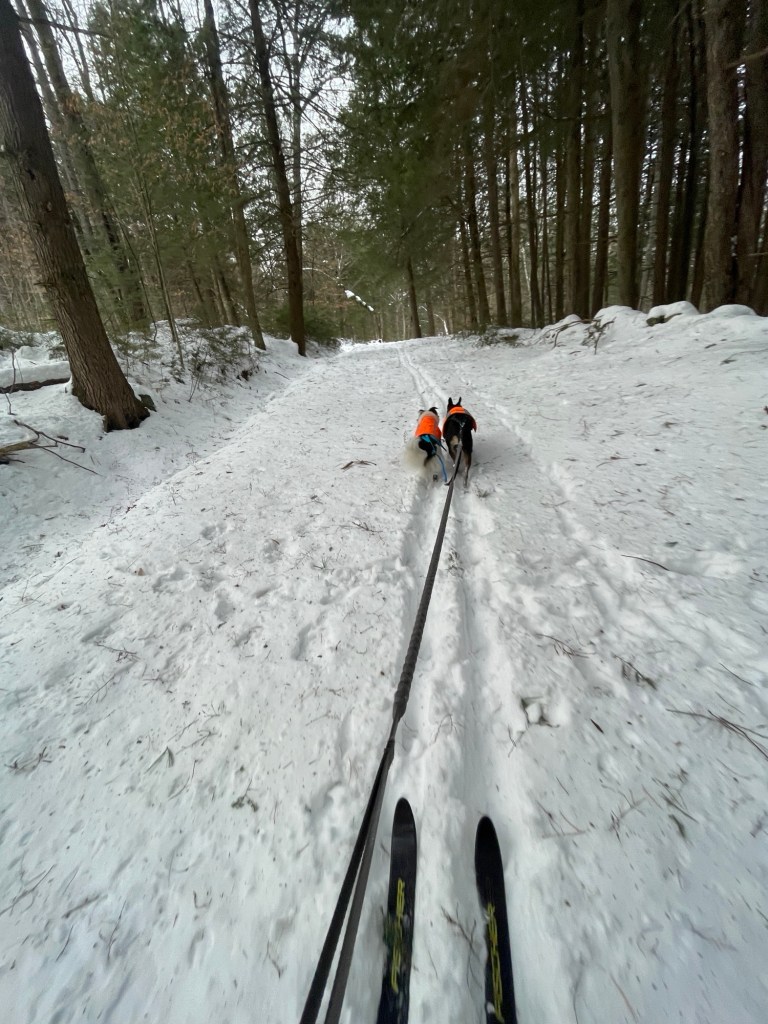
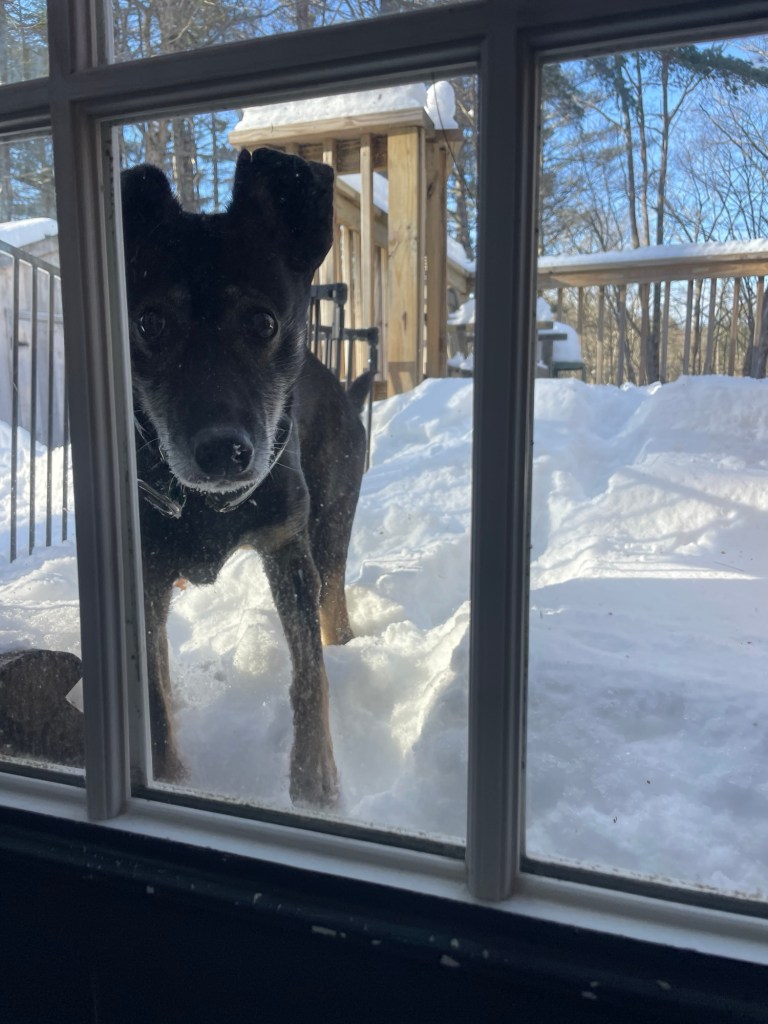
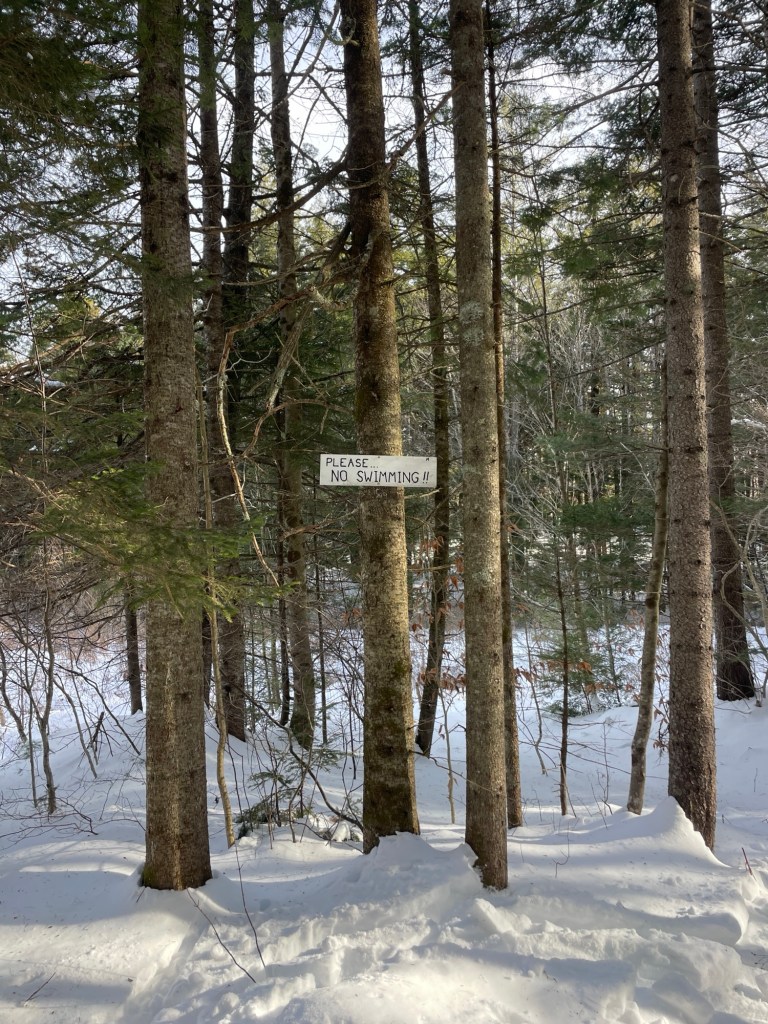
By Christmas, I already had dozens more miles than we had training for ITI 2024. But the dogs weren’t really keeping pace. I hadnt done any dryland scooterjoring in the fall with them as I had in past seasons, so they were building from zero in terms of miles run in-harness. The pace of skiing is faster than we hike and it uses different muscles, so I didnt want to push them too hard.
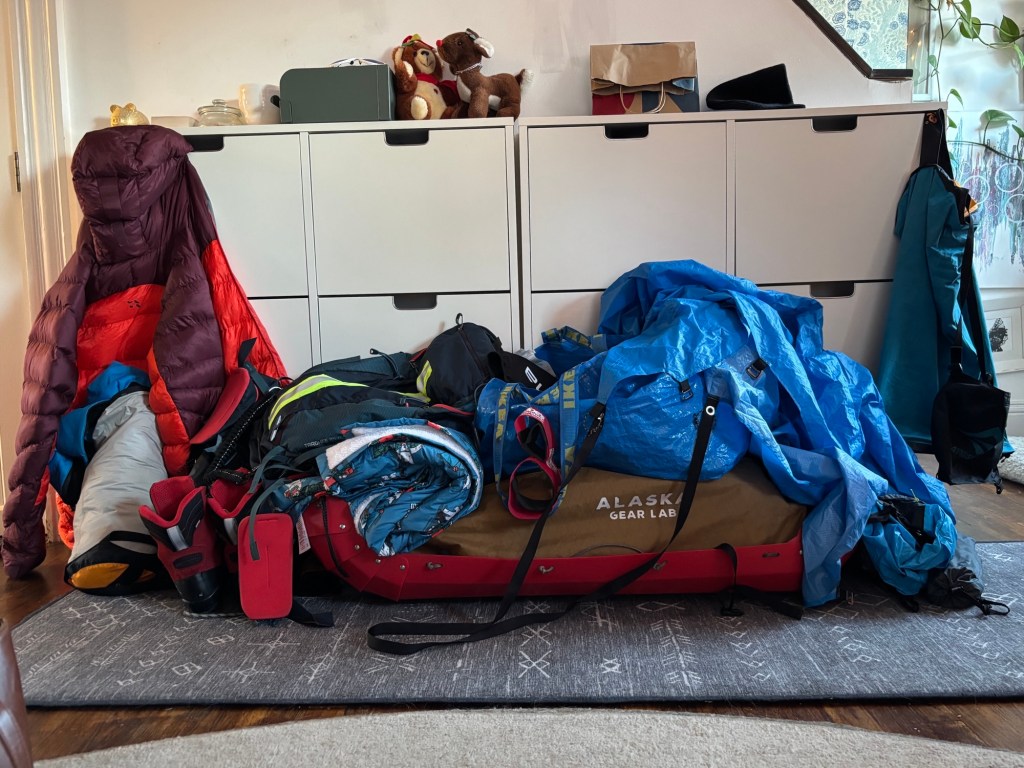
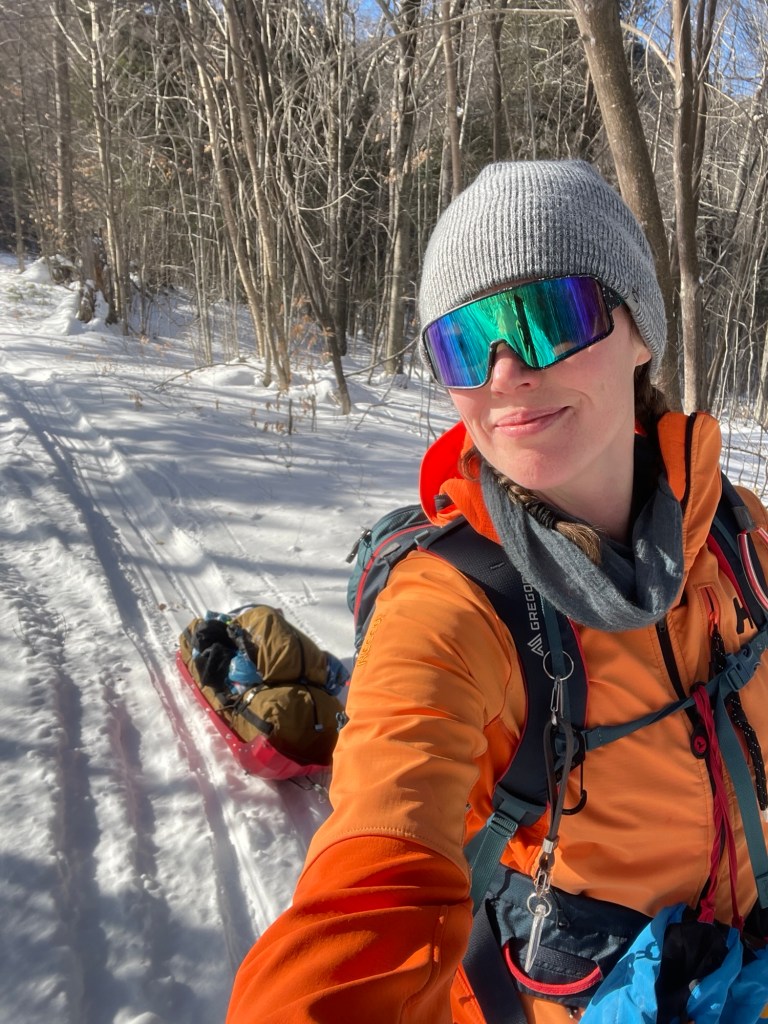
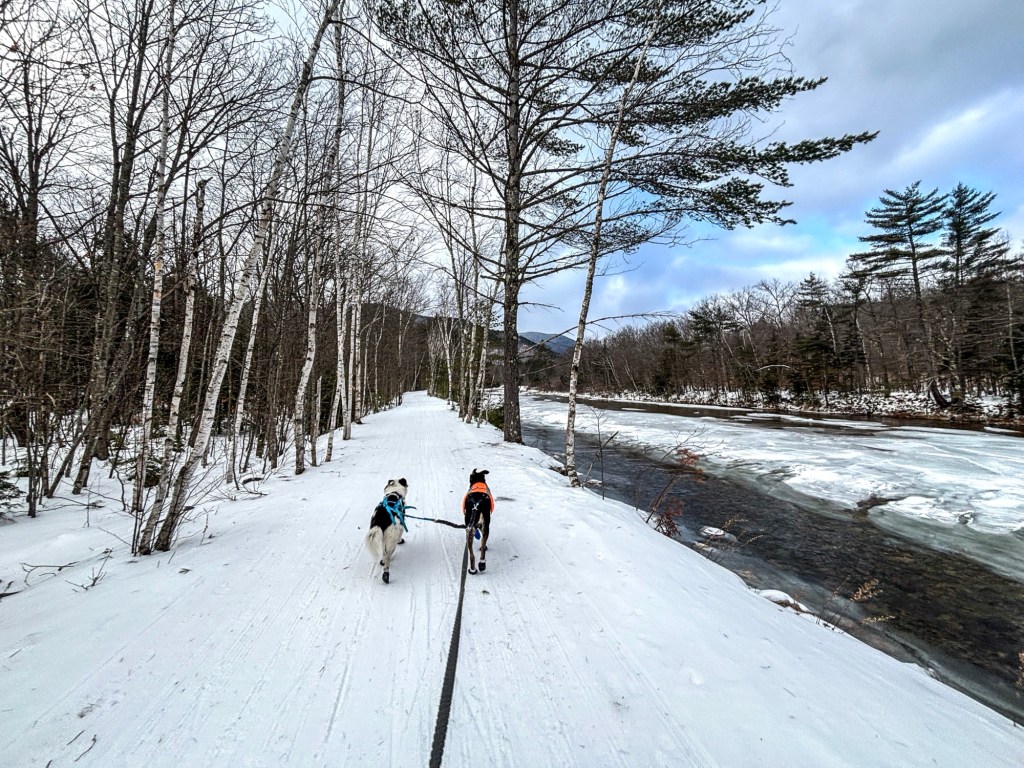
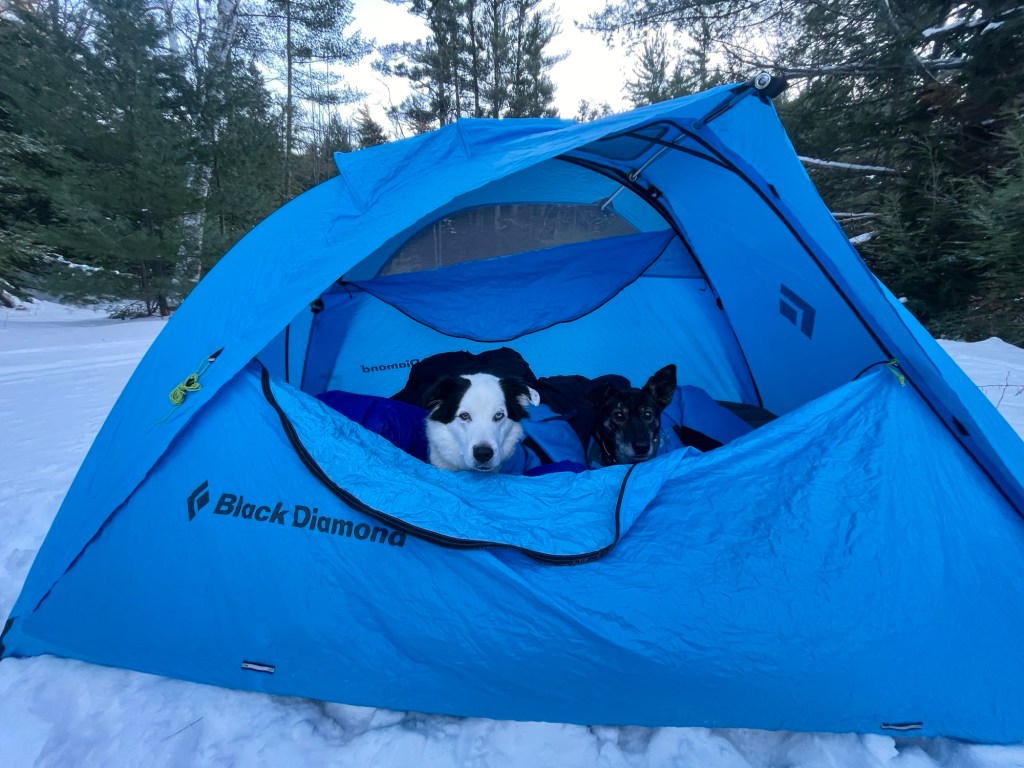
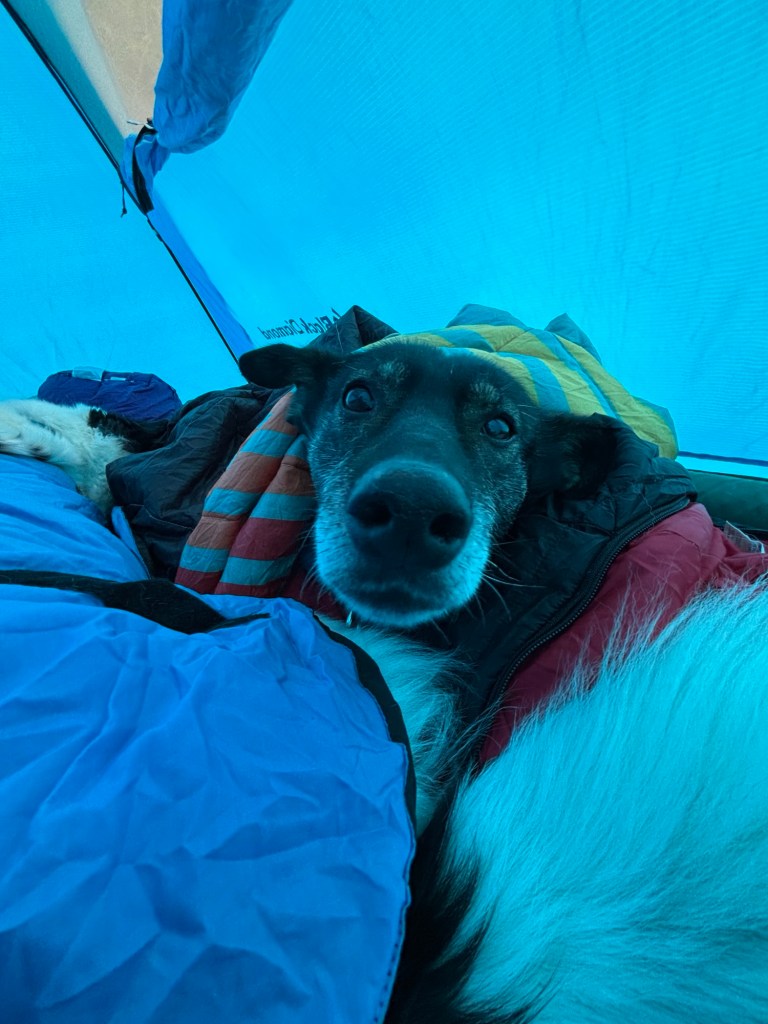
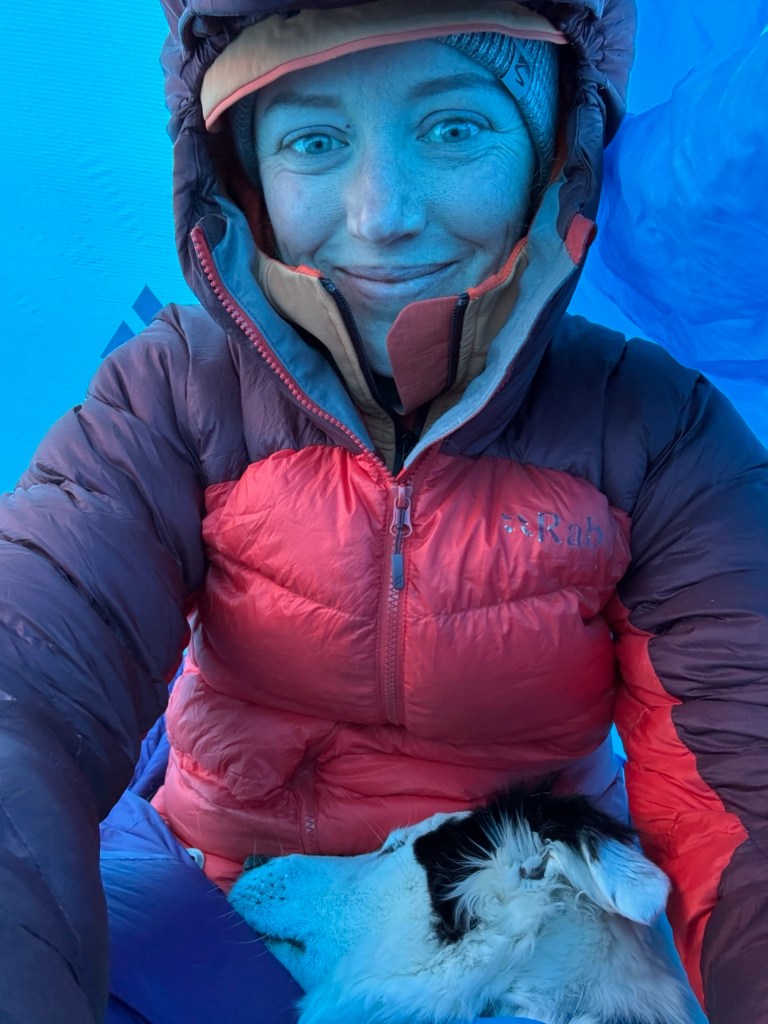
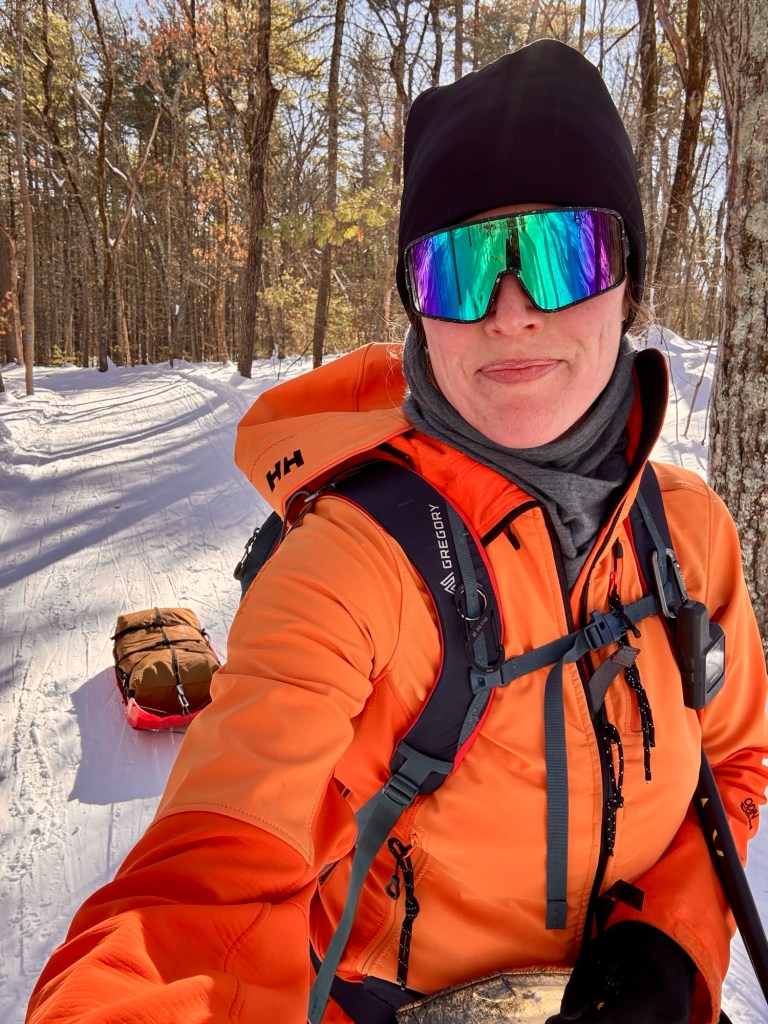
We fell into a nice rhythm— start off with a handful of miles all together, then dogs go back in the car for a long nap while Pokey (the pulk sled) and I go out for a longer ski. Once I’m tired out, either head home, or strike out all together for a short ski to a spot safe for camping. Make camp, cook dinner before dark, and into a cuddle pile in a nest of blankets. The dogs were doing less miles than in past years, but they were happy, and I was getting a lot more mileage!
During this phase I also did regular 45-90 minute hikes in the mornings before work. I carry a weighted pack and wear ankle weights to add difficulty and build muscle and joint strength. I also do abs, strength exercises, and stretching at home.
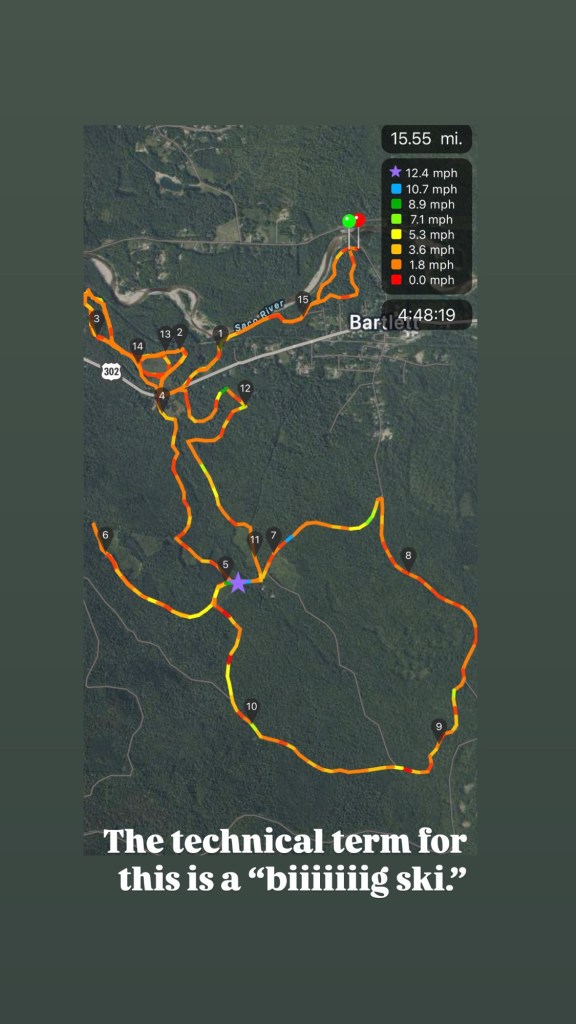
We ended this phase with two separate overnights up on the Bear Notch trail network in Bartlett, NH’s White Mountains. These were a couple of cold nights. The dogs quickly let me know they weren’t interested in lounging around at sunup (typically the coldest time of the day) while I cooked breakfast and broke camp. So we added a new rhythm:
- Wake up and immediately ski back to the car
- Car on and hang out until it warms up to 55f (then turn car off)
- Dogs stay and snooze while mom skis back to camp, makes breakfast, packs up, and gets some miles in solo
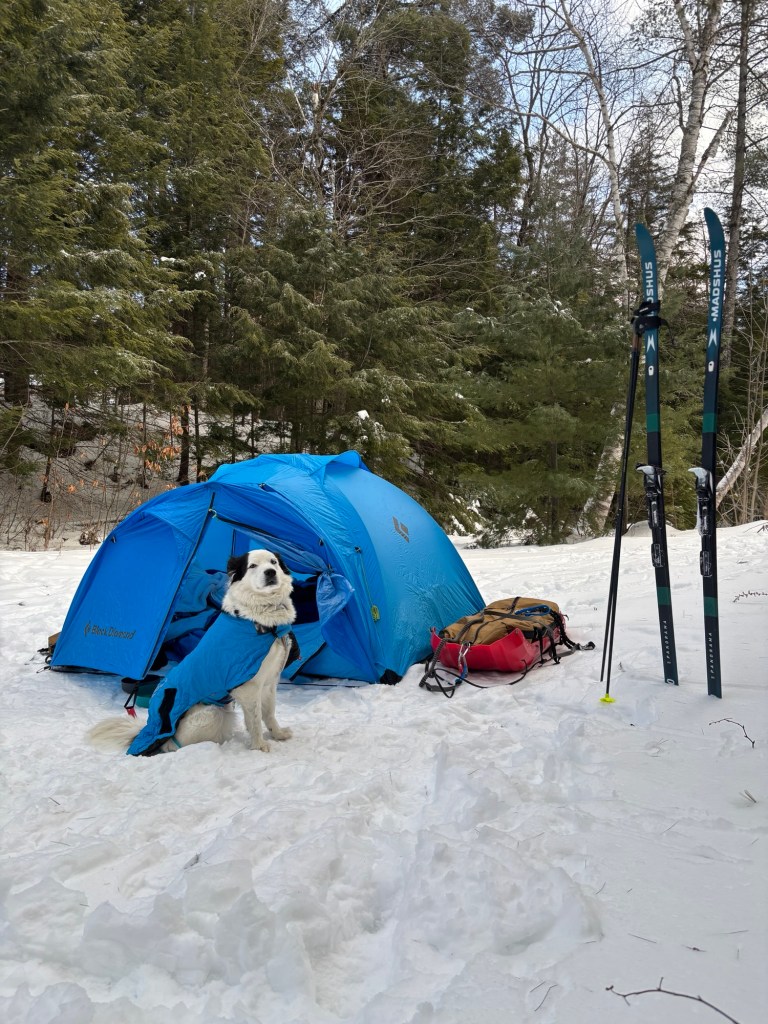
I’m glad I trained the dogs that the car is home base, so that they are so calm and comfortable hanging out there!
Phase 2: the Build
Phase 2 is defined by increasing ski intensity. Now that i had my ski legs back, I added hours and miles on skis to train my body and mind to handle the fatigue. More skiing, less photos. A 5 day stint up at sled dog camp and a 3 night rental in Bear Notch were key facilitators for this phase. With a secure (and heated!) base camp, Wy&Wo could hang behind on the bed after a few miles while I went out for ‘hours on skis’. Adding hours on skis was the mantra—it didnt have to be pretty, or fast, or the hardest hill training all the time…I just needed hours on skis.
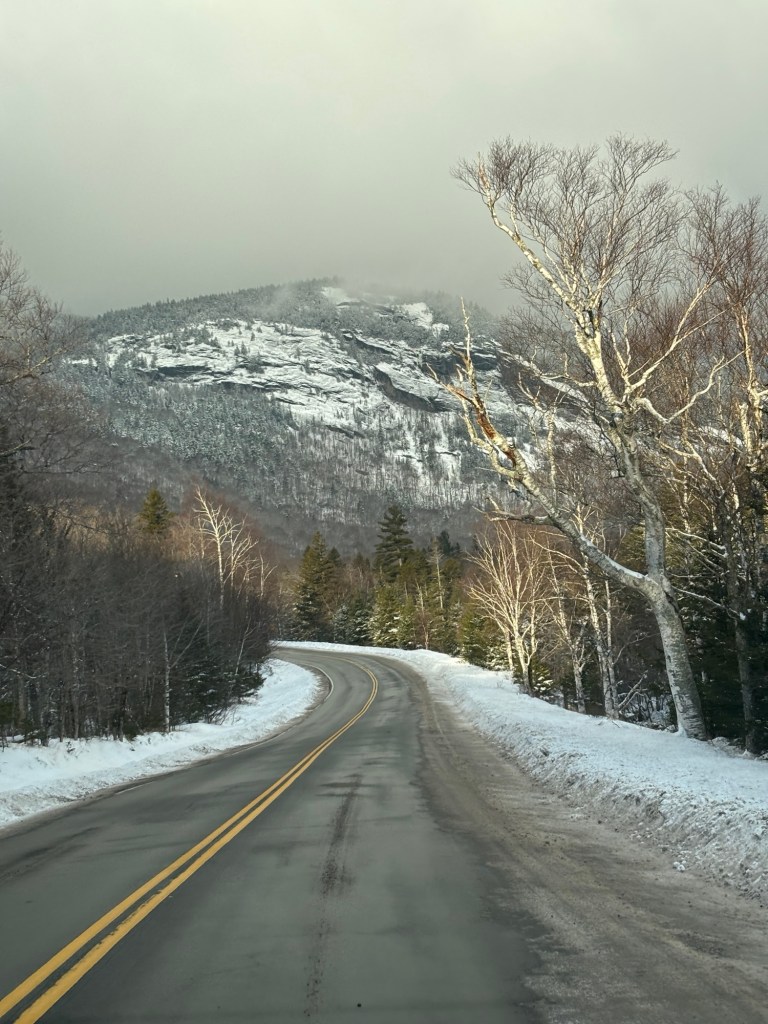
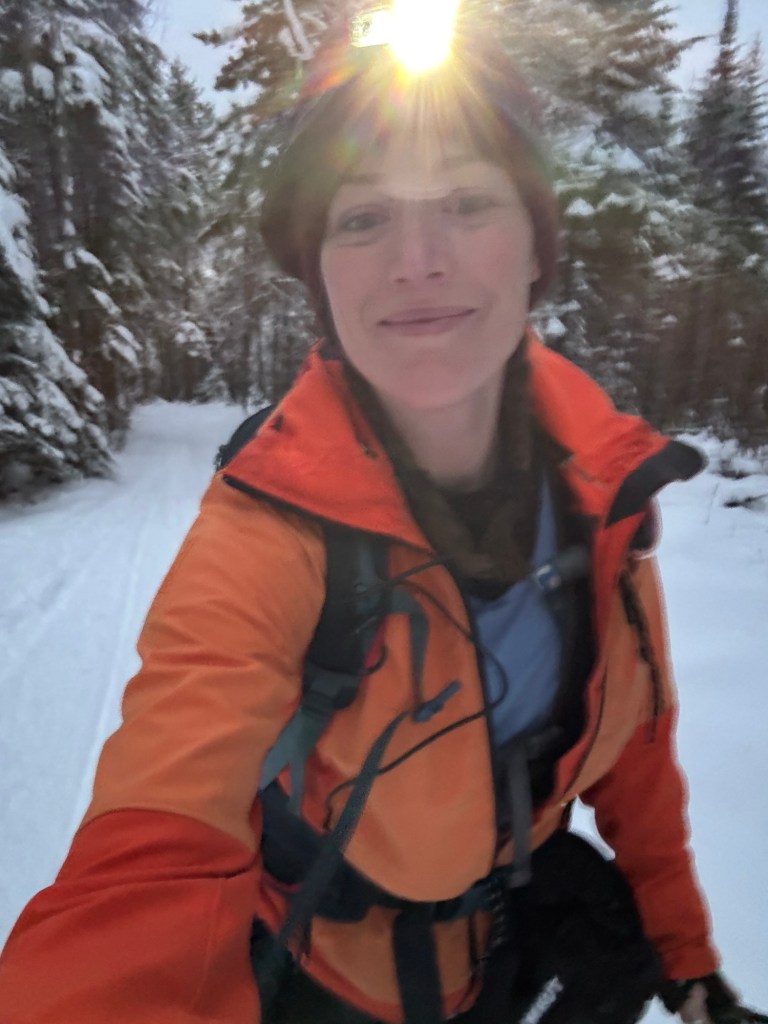
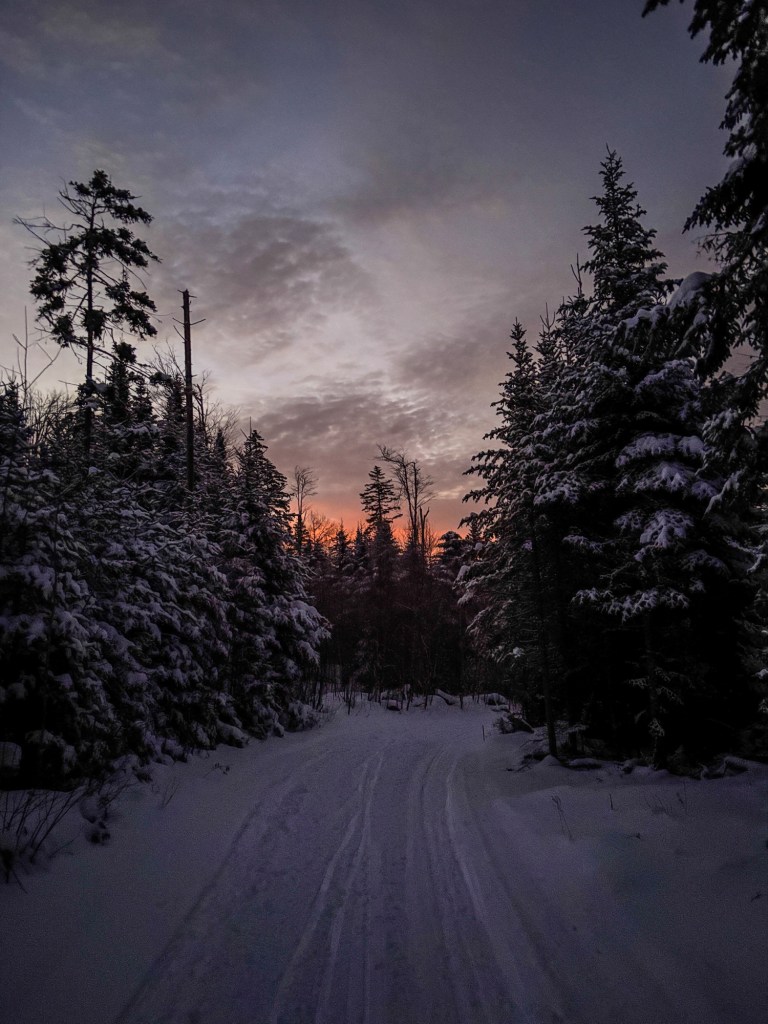
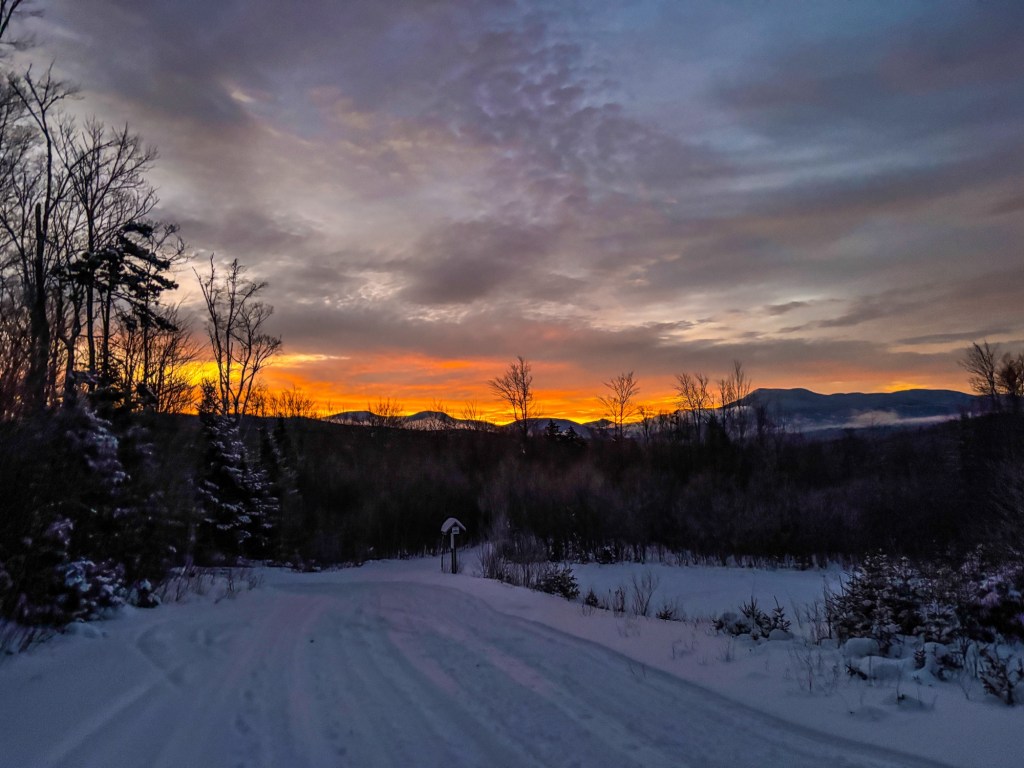
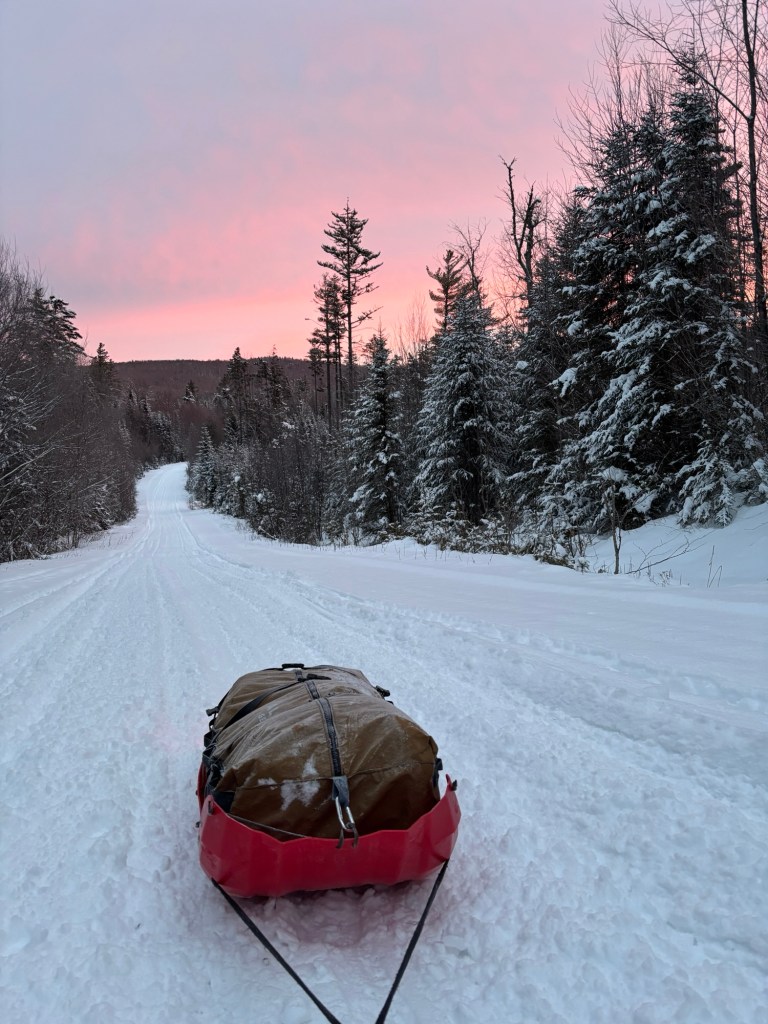
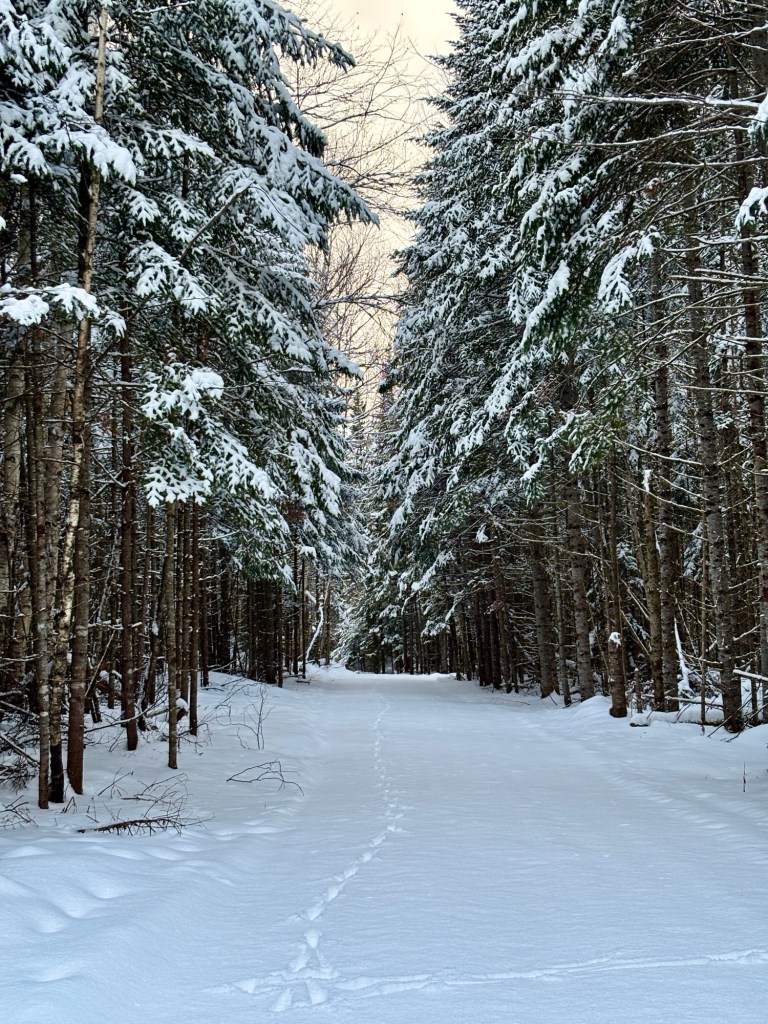
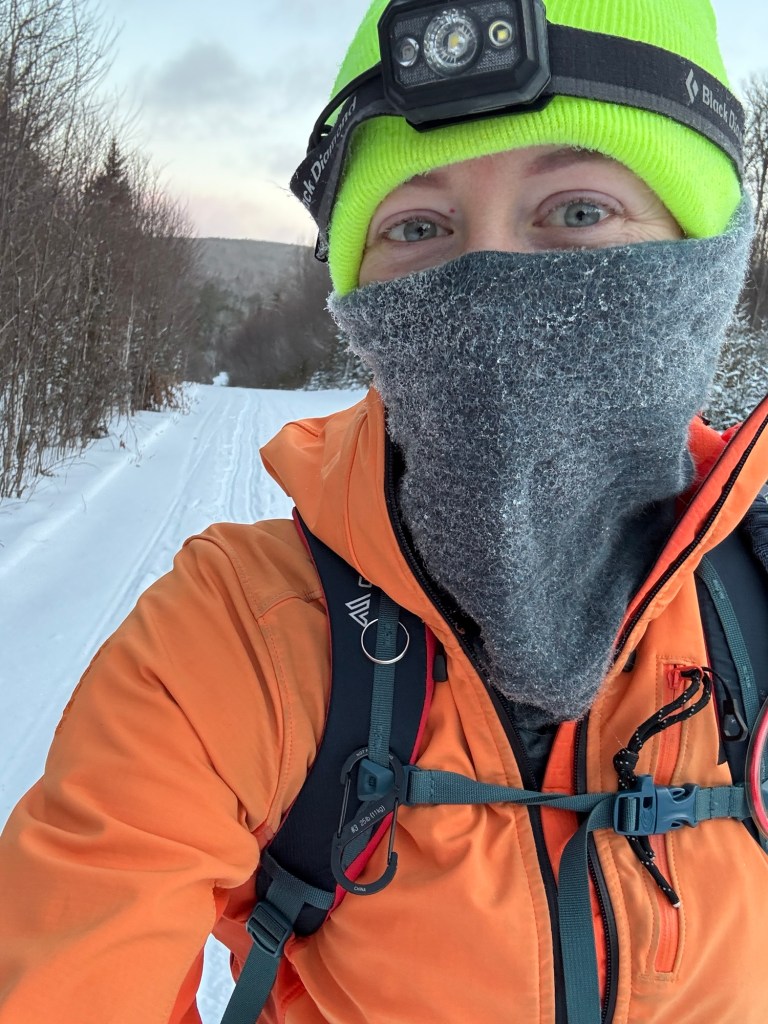
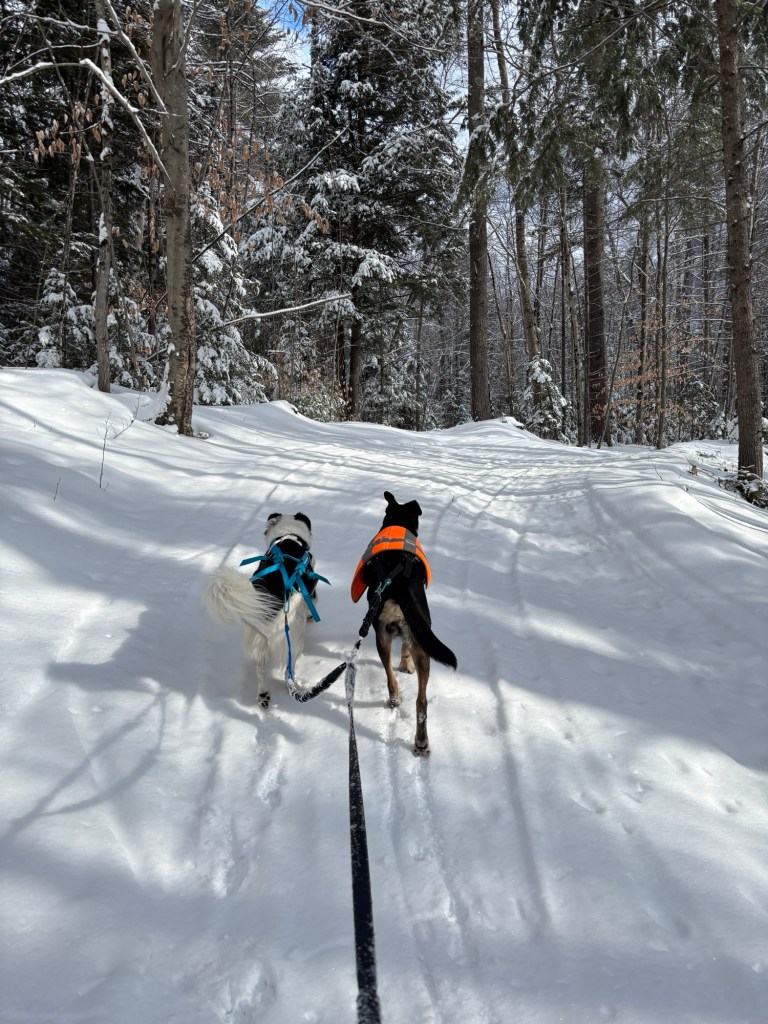
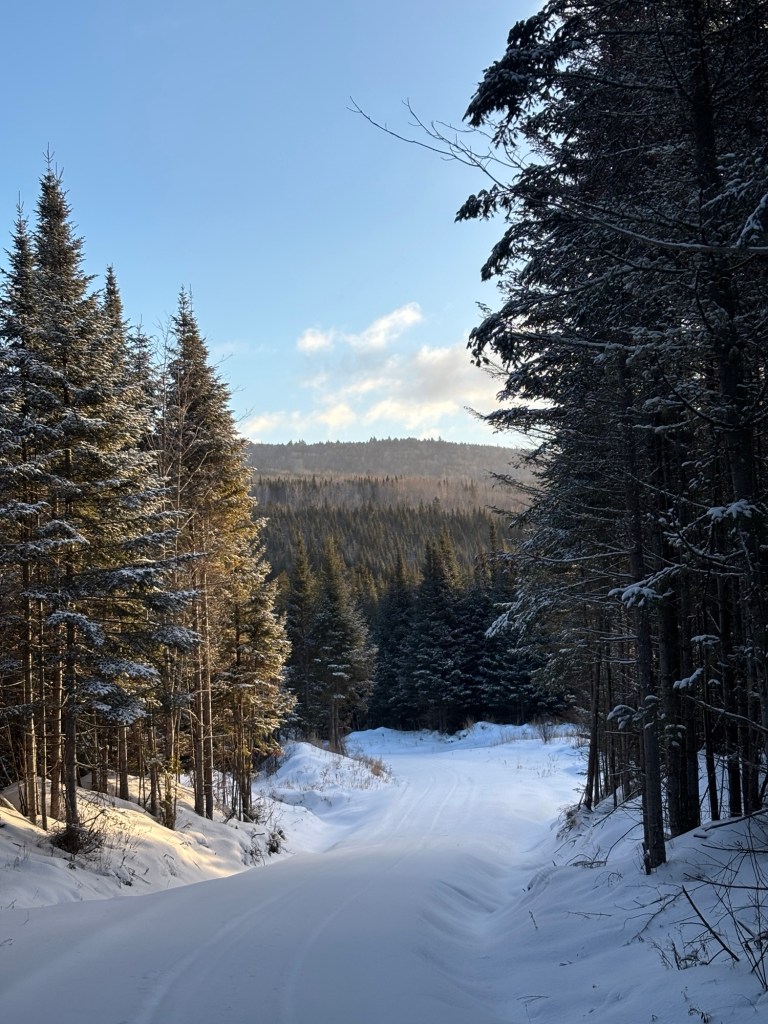
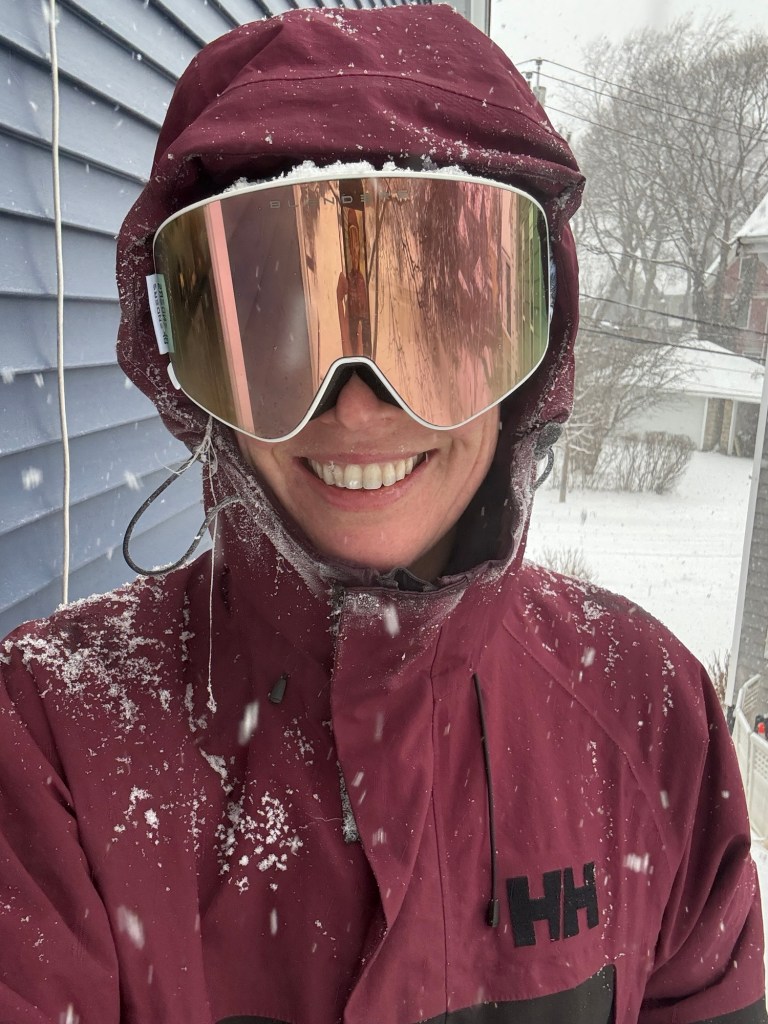
The last weekend of build phase, we had enough snow at home in MA to train from home! I got to check out a new-to-me nordic aki center in Carlisle MA which is only 30 minutes from home. I was there the day before our big snow event of the year, just cranking out those miles on skis. I even got out during the blizzard to ski our home trails in Middlesex Fells.
Phase 3: “Don’t Fuck it Up”
The snow just kept snowing! By the time it let up Monday mid morning, we had 17”, then it turned back on that evening and added a half-dozen more to our totals. I’d never even hoped to dream that I’d get more than a couple of short, cruddy skis in at home. Boston’s winters have gotten so lame in recent years that you cannot count on anything. But after a couple of days of the town getting dug out and trails getting broken in, we were set up for everyday skiing right from home! There wasn’t even a thaw on the horizon in the forecast.
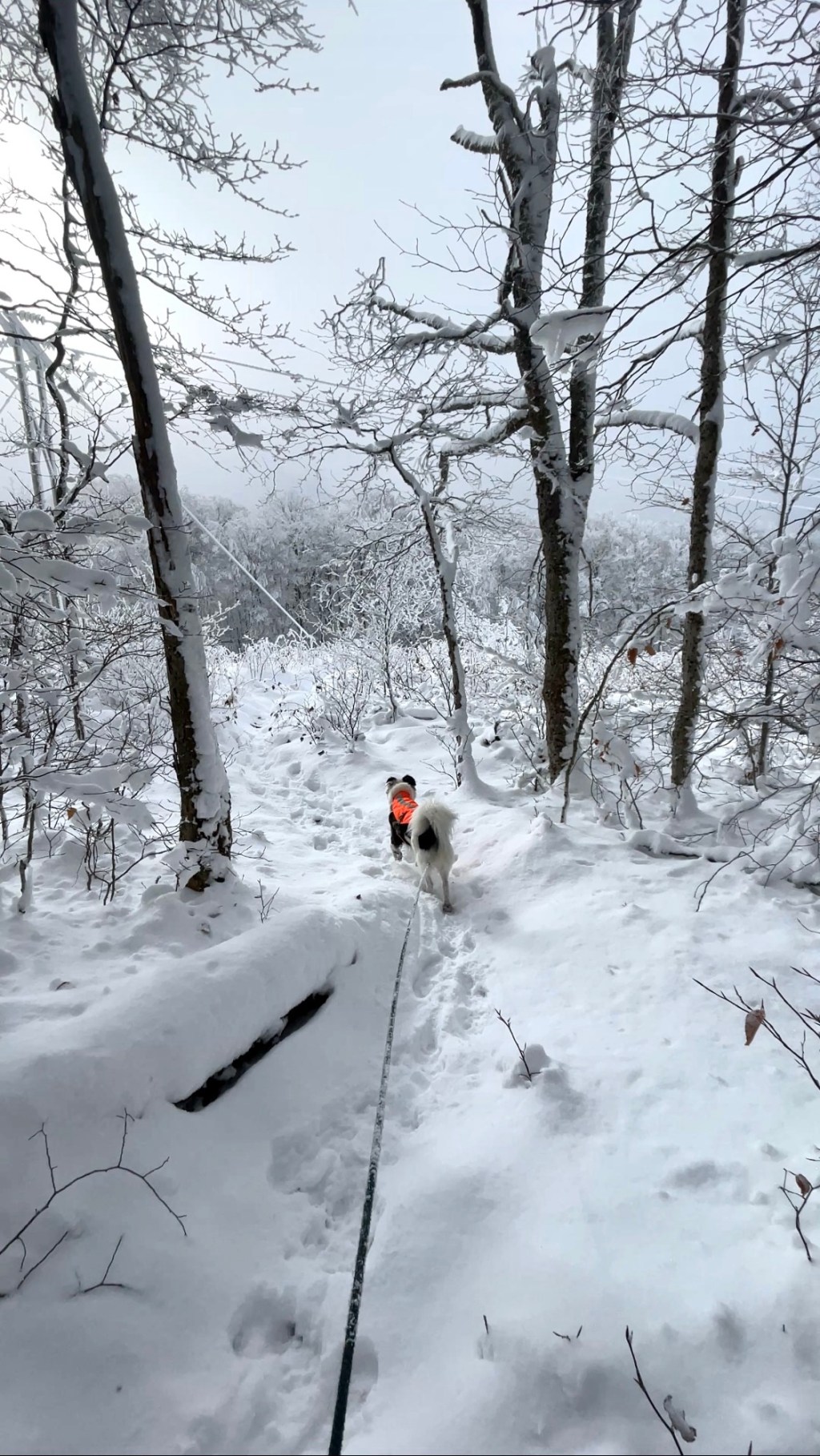
This was ideal for the last phase of training, when you’re fit and just need to stay that way without injury; the “don’t fuck it up” phase. I mixed in morning skijors straight from our front door, with longer sled skis looping all our favorite trails in the fells. The deep drifts were extra tough on the dogs, so until things got well set their adventures stayed very short, freeing me up so sail off solo on my death sticks.
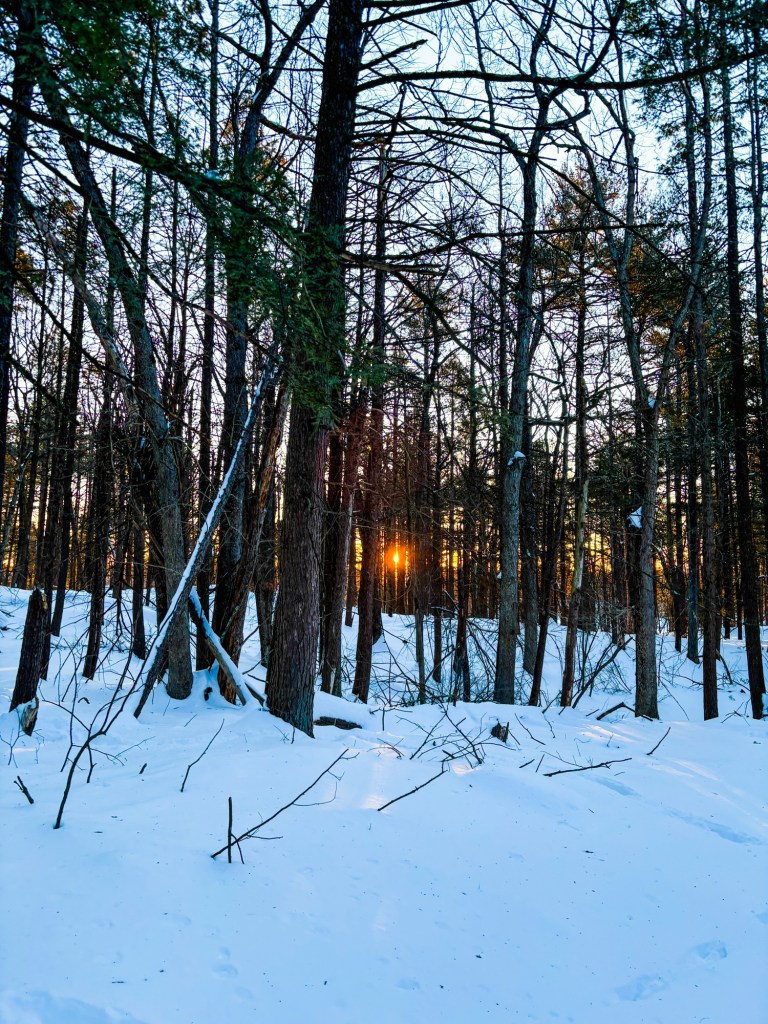
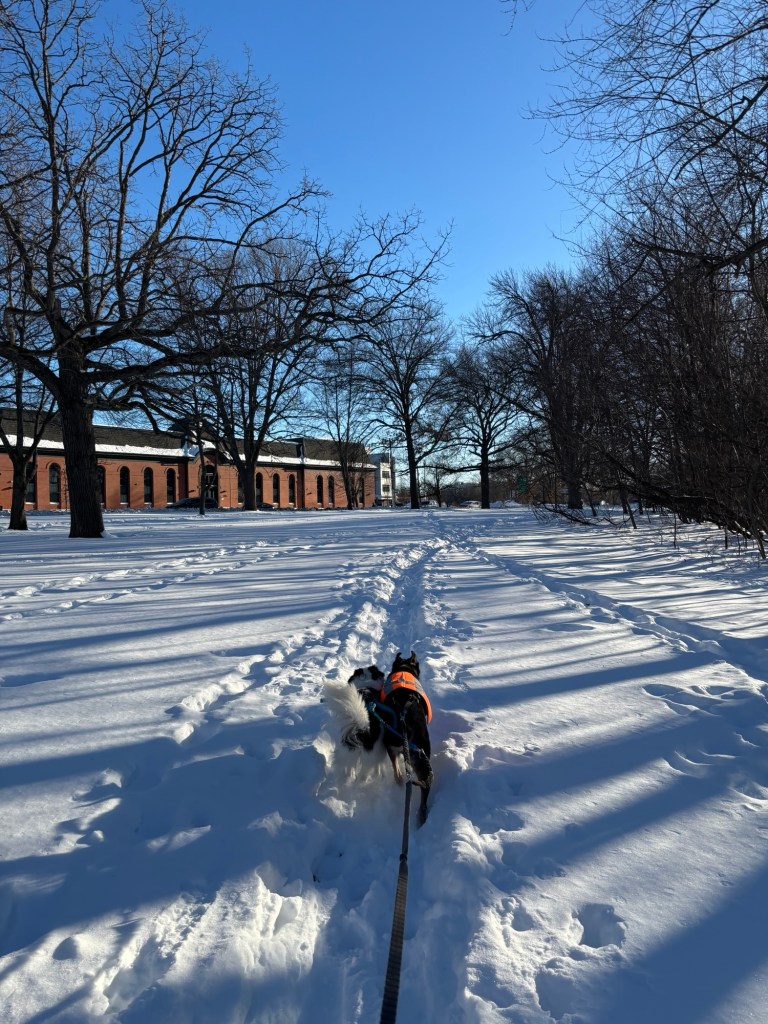
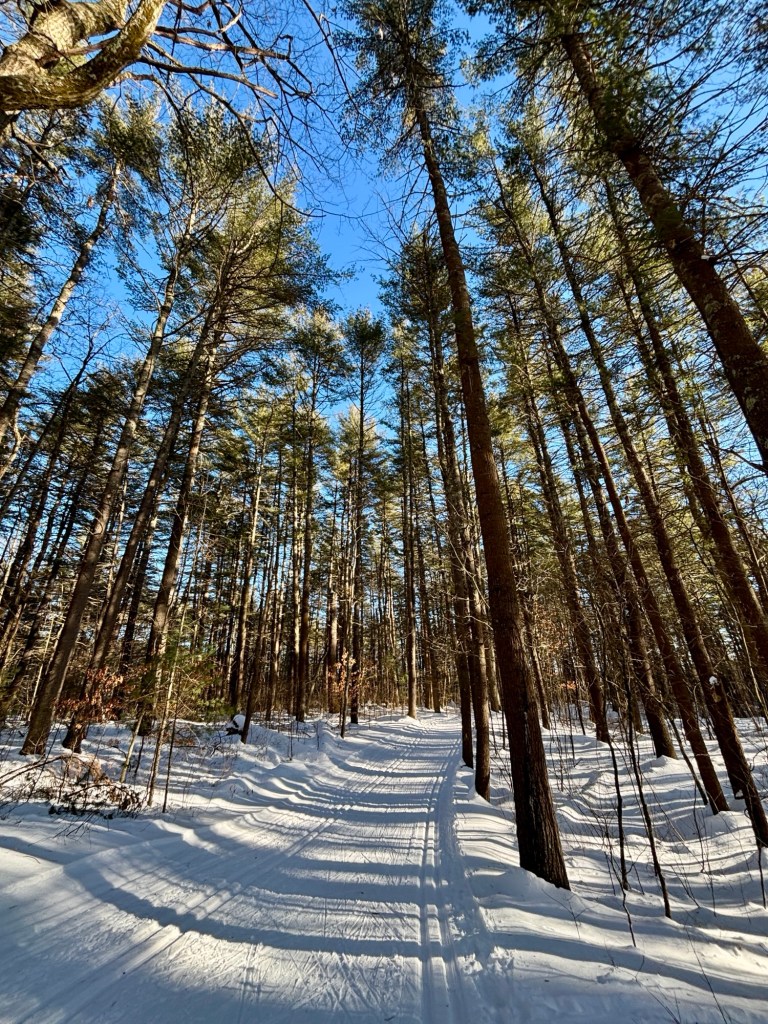
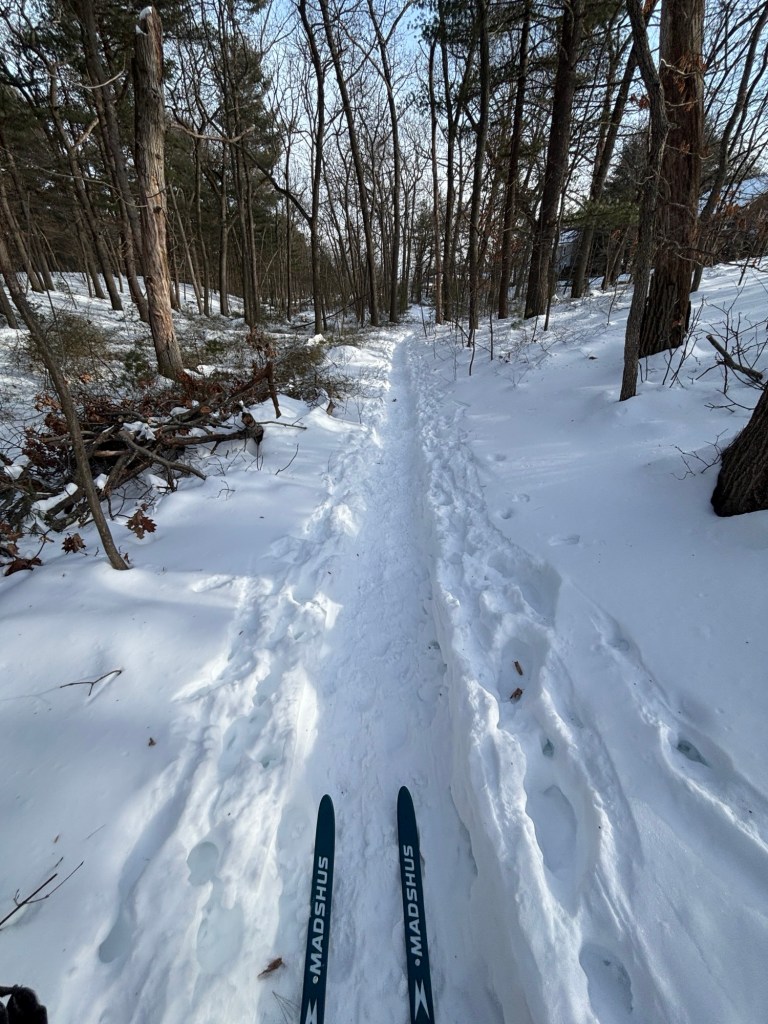
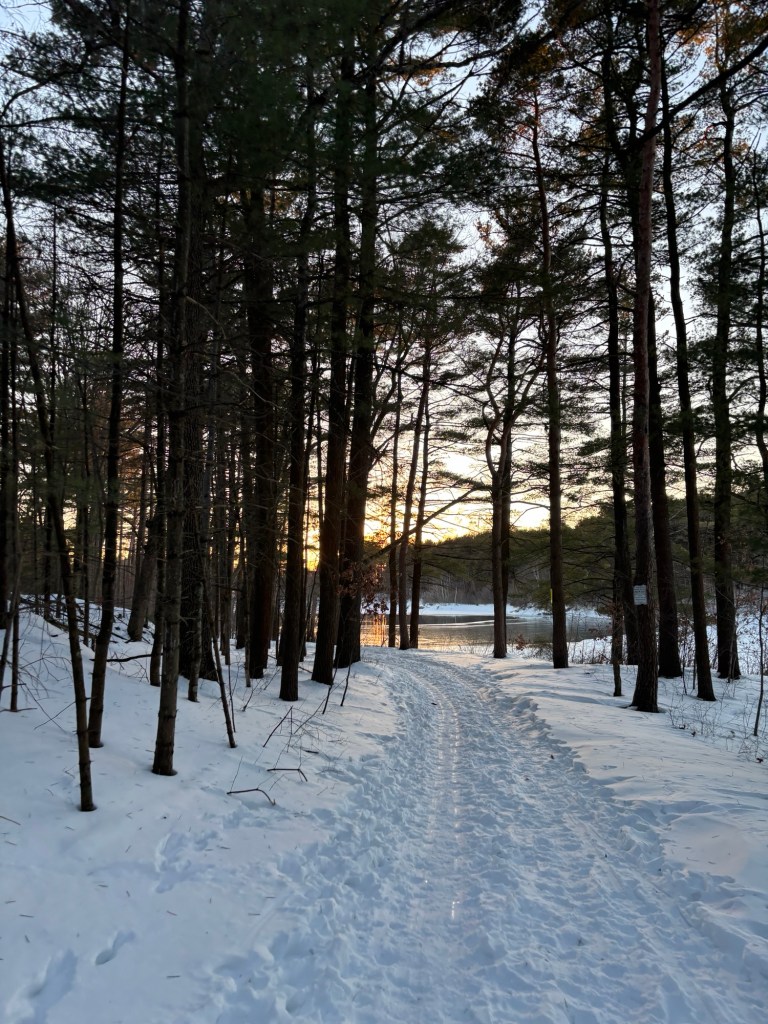
But I suddenly didn’t feel like it. It took huge amounts of discipline to drag myself out of bed in the mornings (something I always do anyways, im a morning person!) to go out and do something I both love, rarely get to do, and needed to do to be prepared for ITI. What the hell?
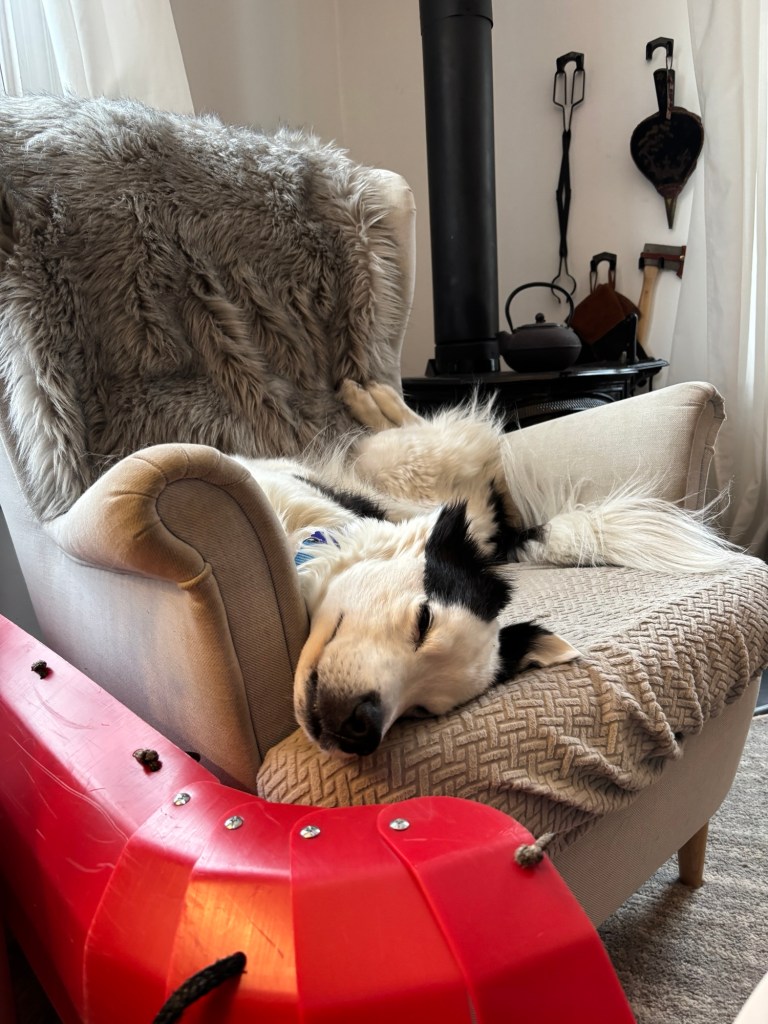
Again, a little circumspection and a familiar culprit was immediately identified: my dogs. I wasn’t motivated to get up and go without the dogs. After their quick 20 minute walk and breakfast, when I was supposed to gear up and head back out into the cold dark, they’d expectantly look at me to give the signal for us all to collectively race upstairs, dive into bed, and snuggle. And I gave in more than I care to admit.
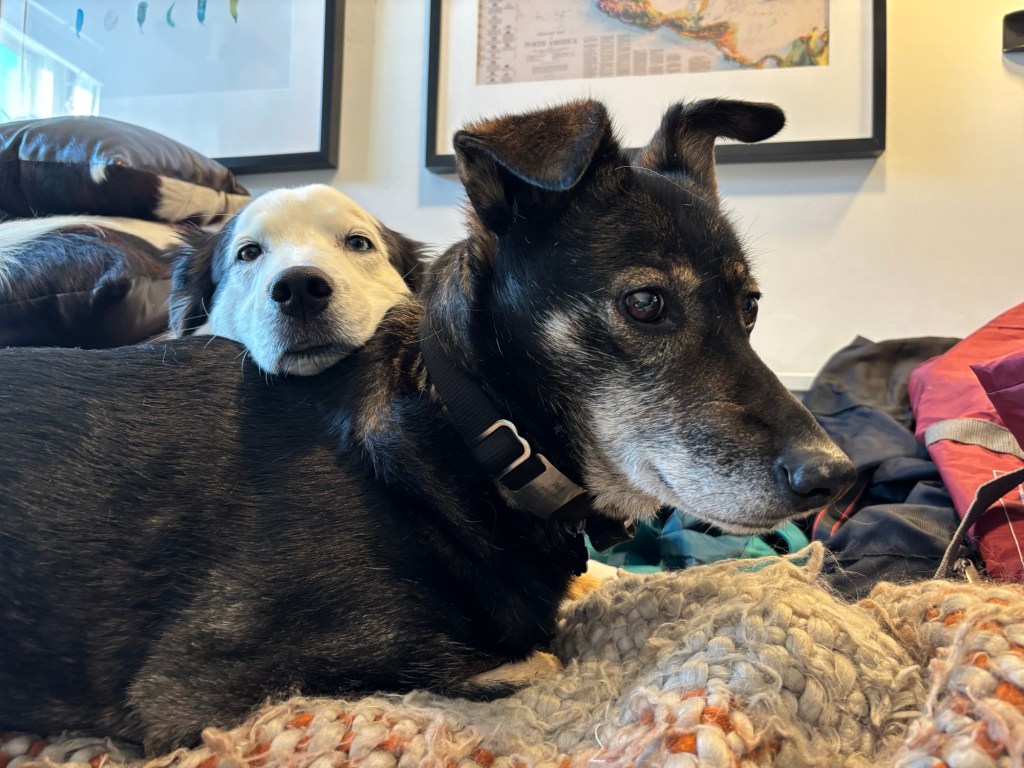
I’ve always been proud of my discipline, but its turning out to be true that commitment to my dogs was a major factor for it. When they don’t want to, or cannot, come along… I give into the temptation to stay back too. I had to, and have to continue to, re-train myself to be disciplined just for me. My general compromise was to sneak out late afternoon instead and get my ‘hours on skis’ time as the sun set. Thankfully, my work is flexible with hours, as long as the projects keep on rolling and I’m reachable, I can flex my hours around what I need to do for prep.
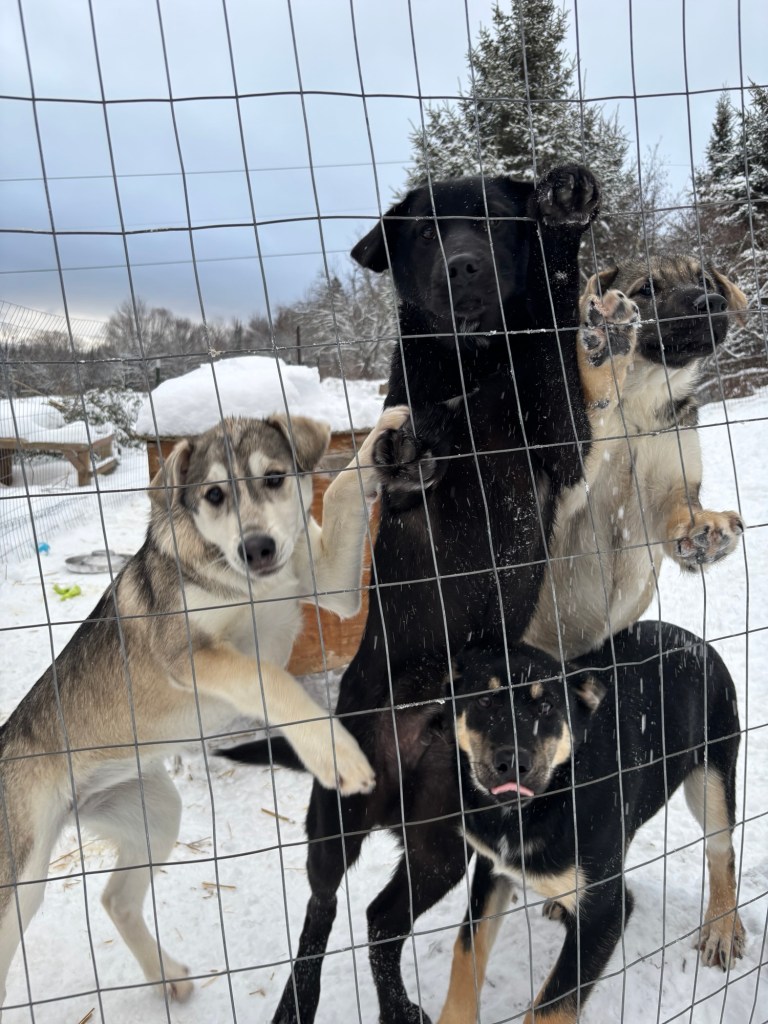
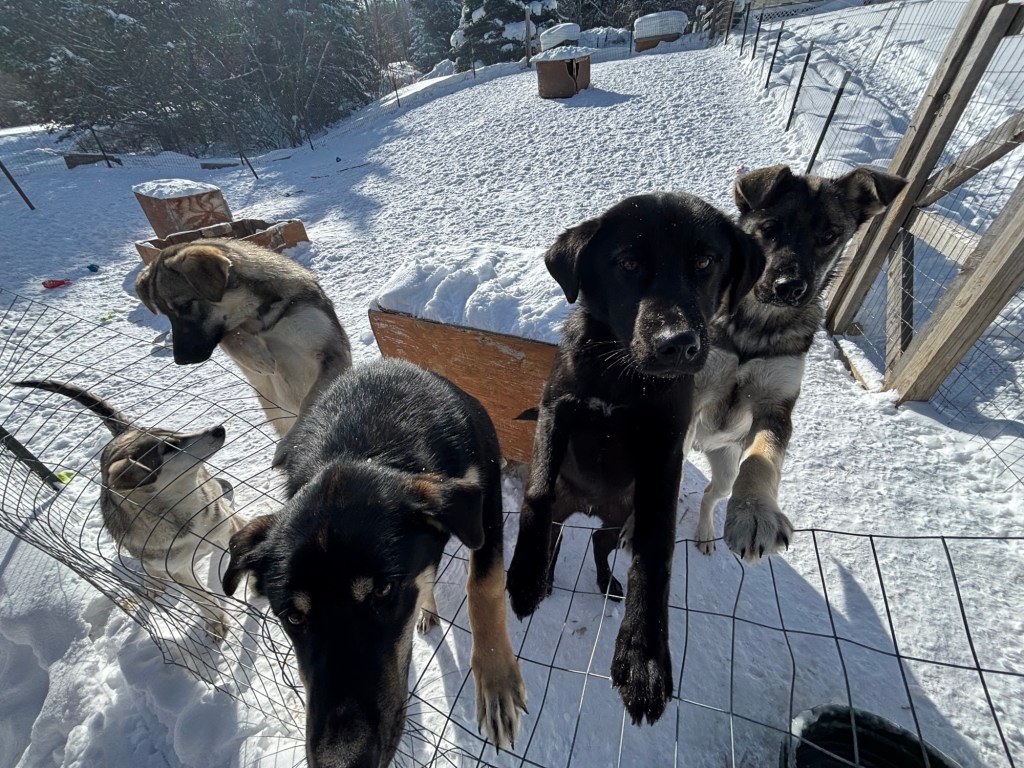
We ended this phase last weekend with one more short jaunt up to Shady Pines Sled Dog Camp. A relaxing long ski saturday, a couple of shorter skijors with Wy&Wo, and playtime with the current pack of puppies was a great little mini retreat to end training season.
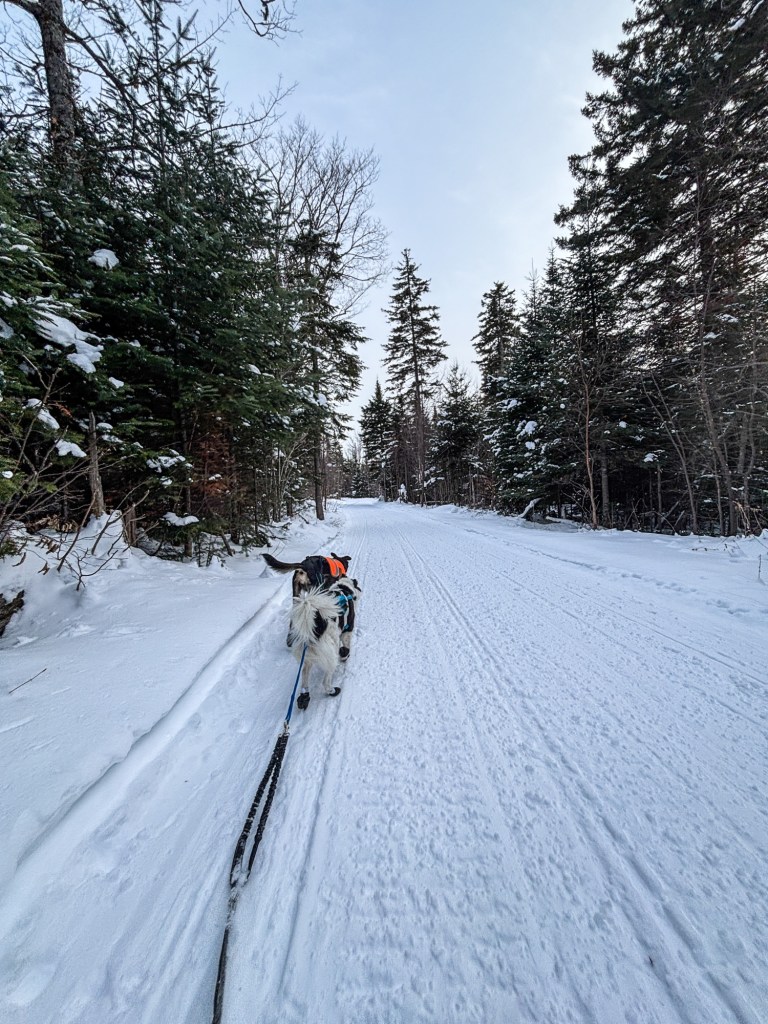
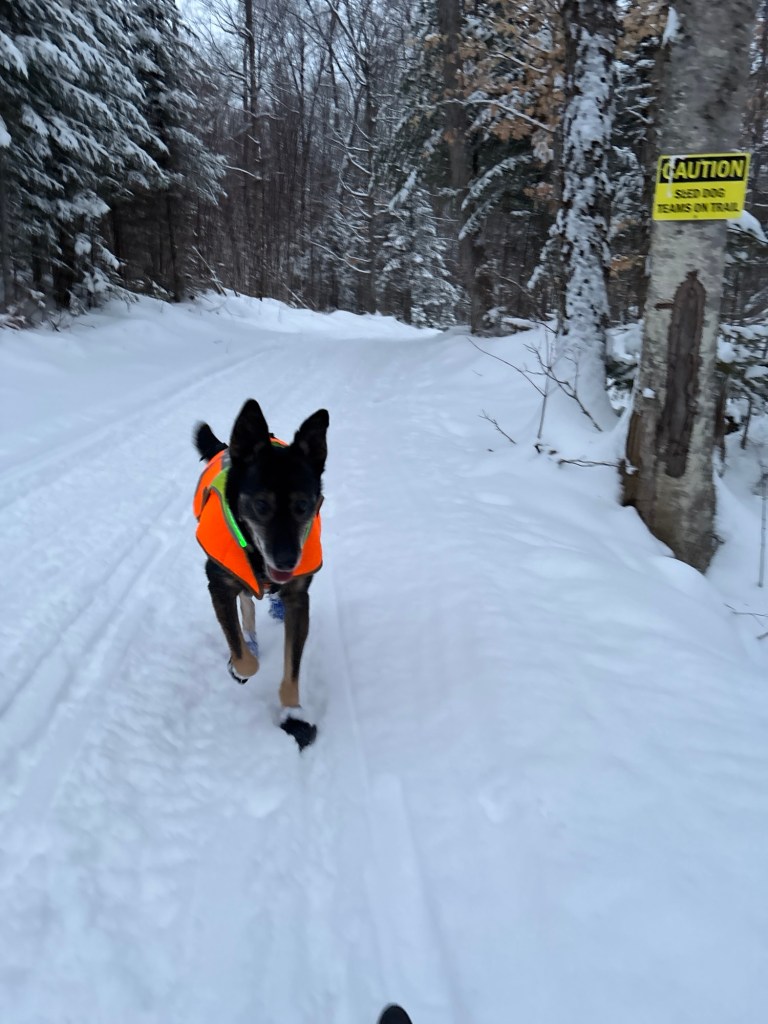
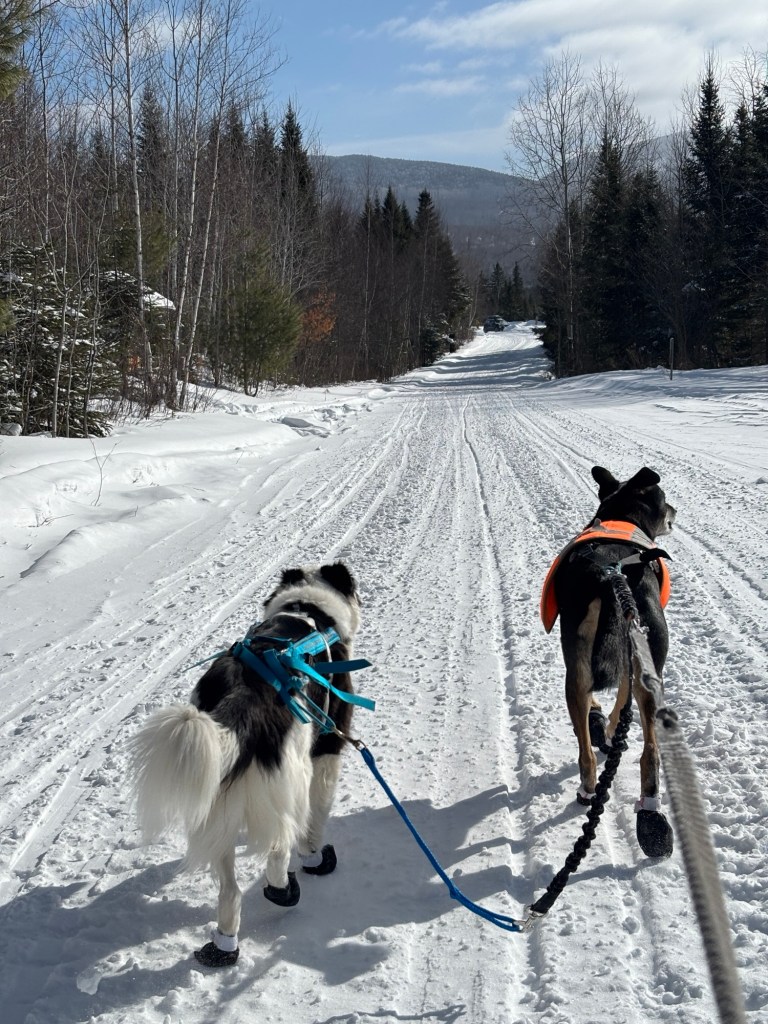
We packed up to head home, and stopped for one last skijor from the public trailhead—the same place we’d started our season that first weekend in December. It was cold and windy (real feel of -18f), so I knew Wolfy wouldnt be interested in a long run. When she slowed and looked over her shoulder at me .8 miles in, that was it. A season of training and our last ski together wouldn’t even hit two miles. Had I failed them, leaving them behind so much while I took off on long joy rides? Would all those solo skis pay off in Alaska?
Leading a Dual Life
In the end, I feel confident. I got enough ‘miles on skis’ to be prepared. It’s natural to second guess if youve done enough, if you could have done more… but you always could have done more. At some point, you simply must breathe in, relax, and accept that you got in the prep that you did, and that work is what you’ll hit the start line with to propel you forward
And honestly? Same sentiment when it comes to the dogs. We did enough, by their standards. They are reaching an age where a 5 or 6 mile ski is a really good day…and thats ok. It’s time to let go of the ‘mom-guilt’. There’s no reason that we need to go farther, after ITI. I think it will be a big relief for me, mentally. No more “I just need to get them through…[insert goal here].” But I do acknowledge it is a big adjustment!
preferably free running!
The closer you get to race day, the more you feel you’re living a double life. A split life. Continuing on with day to day worplace commitments, keeping up with friends and family, and basic day-to-day life chafe at the endless thought, planning, training, logistics, and prep you need to put in for race-day. Doing one means you’re ignoring the other. Sometimes, it is paralyzing in a way that leads you to do neither. One way I manage the tension is let other parts of my life in on the journey: I tell coworkers and even clients about the race and my training. They get invested and help support me by cheering me on; and I likely get a little extra grace from them if I am slow to return an email!
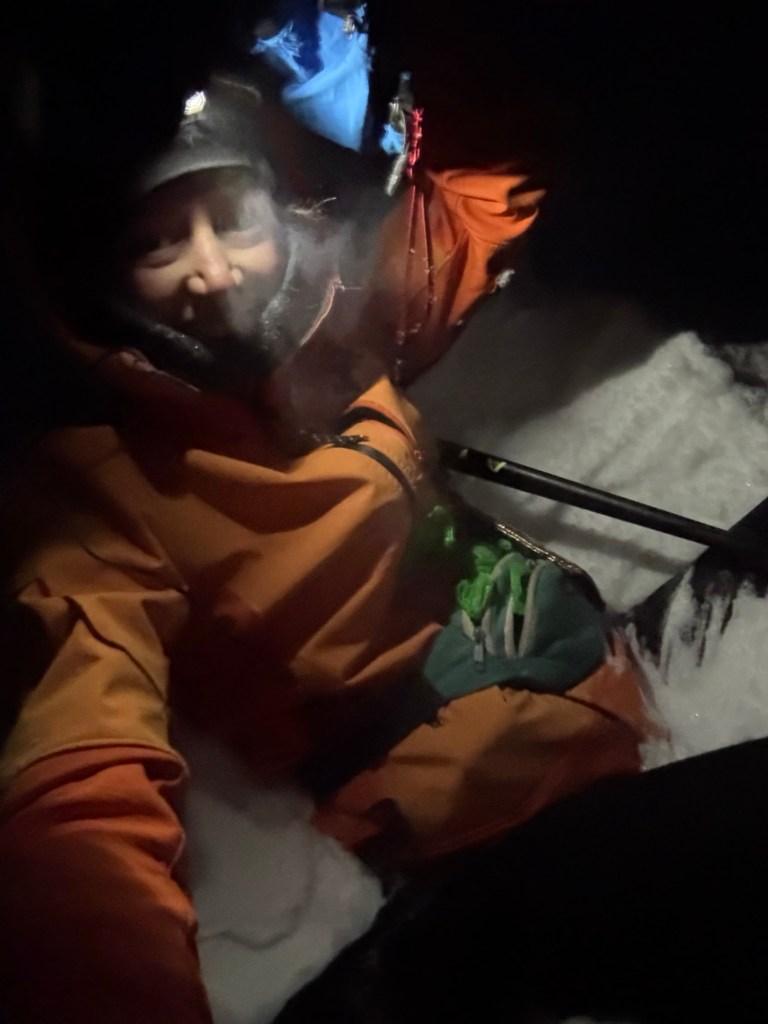
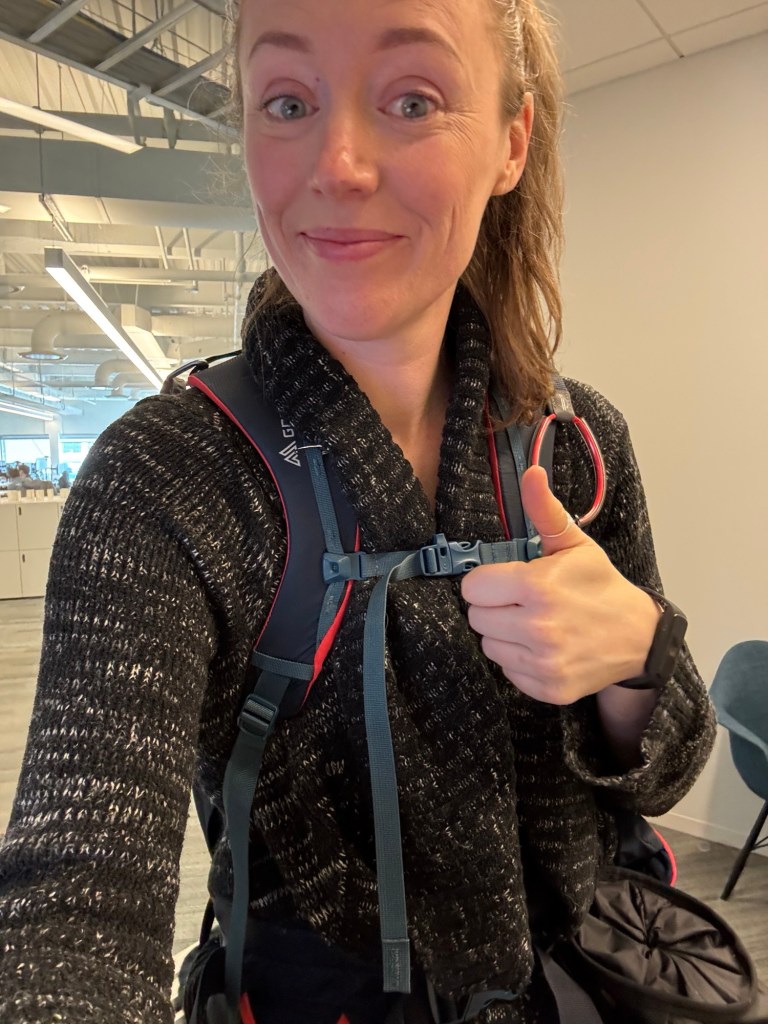
The only way out is through, and with enormous, outsized effort, I somehow got through everything, got my OOO on at 5pm my last workday, and got a full nights sleep before my 4:30am trip to the airport with 100+ pounds of prepped and ready luggage full of gear that’s been a multi-year project of selection, curation, modification, and agonizing over every ounce. And that, my friends, is a win.
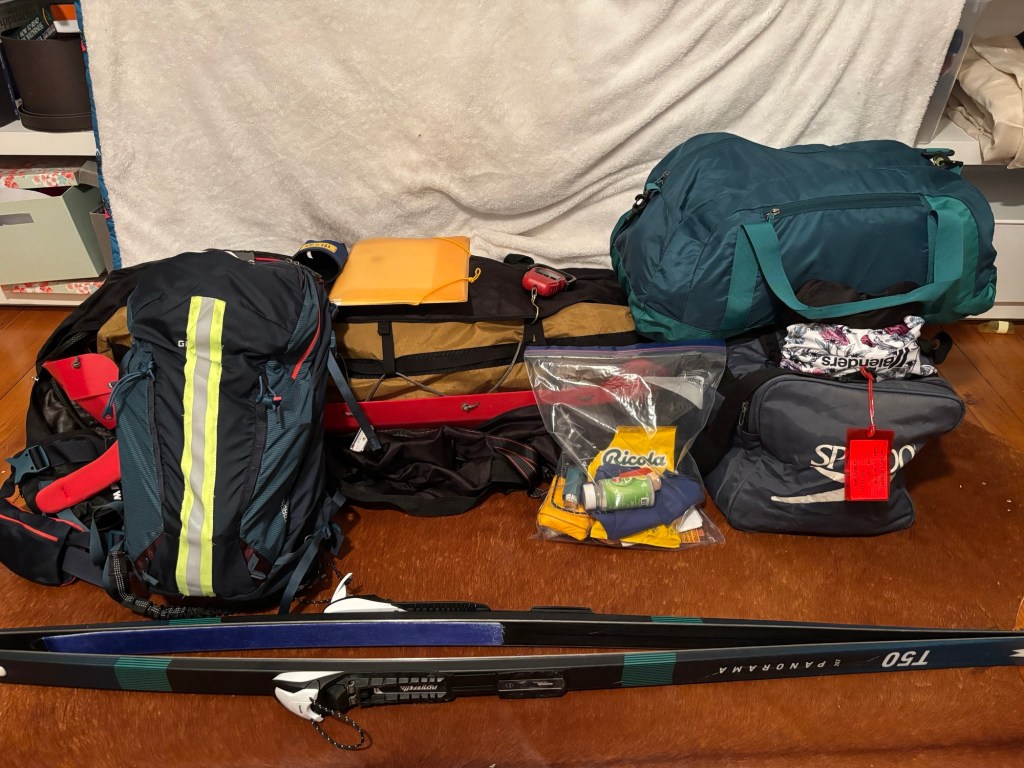
The pain of this process is worth it when it all falls away at the start. The start line is a magical demarcation: before it is all that time, stress, anxiety, money, effort… and past it? All I have to do is ski. Thats it. No work. No phone. No commitments. No one can even reach me. The indulgence of getting out there and being able to so singularly focus, to be present in the moment, be with yourself, test yourself…it’s indescribable. It can also be addicting, which is a reason you see some athletes coming back again and again, even after retirements. No comment on my future plans, total tunnel vision to February 22.
Going in Healthy
The name of phase three above is not a joke: injury prevention at the end is crucial. Thankfully I am going into the race pretty much whole. I pulled a muscle at the base of my shoulder blade shoveling out of the blizzard. Its felt a little off ever since, but is not seeming to escalate with physical effort. It just, like, feels a little weird to breathe on that side? I think I’ve rested it enough that it won’t give me issue on the race. We’ll see! Ive also been masking since early January to stay healthy, and by staying diligent I am hoping to keep myself that way until the start.
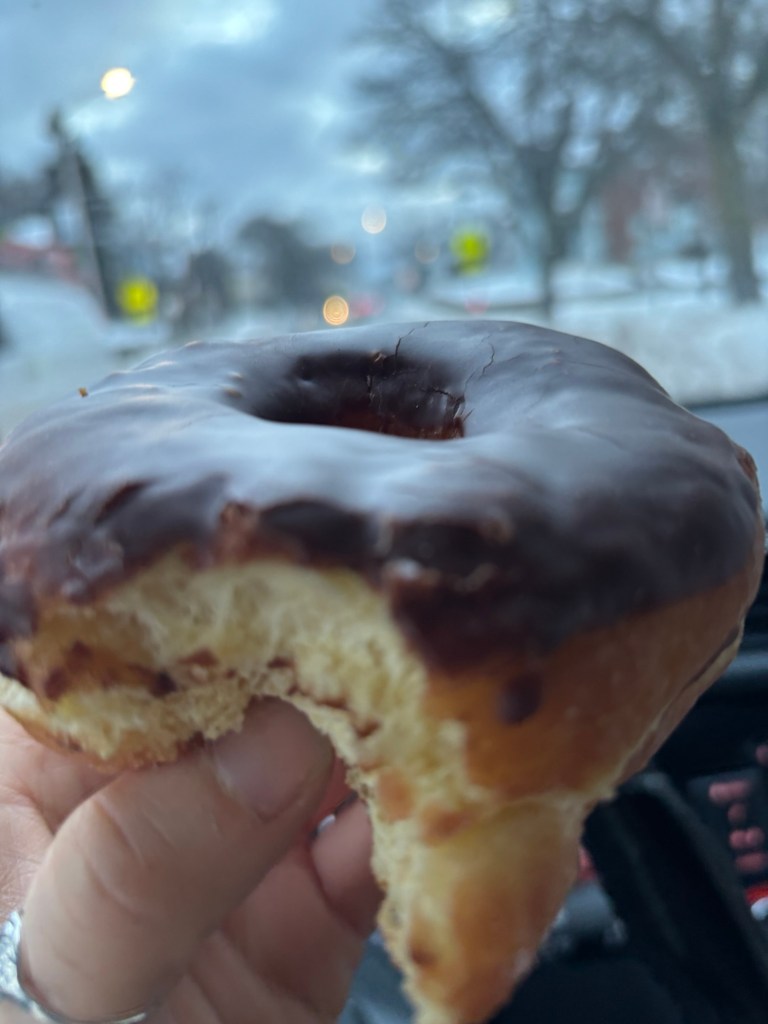
Keeping weight constant is also important: the calorie deficit gets real out there and I dont want to start too lean. Sharing my “maintenance donuts” on social media was partly a joke, but partly true too!
It’s not just physical health, either. Going in a mental or emotional mess is as likely to cause a DNF, and likely even more determinative. Training and hiking solo is my default, so the stressors of solo travel don’t worry me. I feel I am getting to the start line this year in a better headspace even than last time. Last time I was ready, and excited, but also anxious about many unknowns. What was being at a checkpoint really like? How hard was that section of trail? Having competed and seen a majority of the trail takes away that stress and lets me make more informed decisions out there. I may not have finished, but I’m far from a rookie.

This year is redemption year, and I am pushing for a finish. I am so lucky to get to return and go for another attempt. I am so excited I could burst. I am ready.
The tracker is here: https://itialaska.com/tracking
Time to party.


 The TypeTwoFun Club
Leave a comment